
Your Guide to a Stress Free First Dog Groom in Dundee
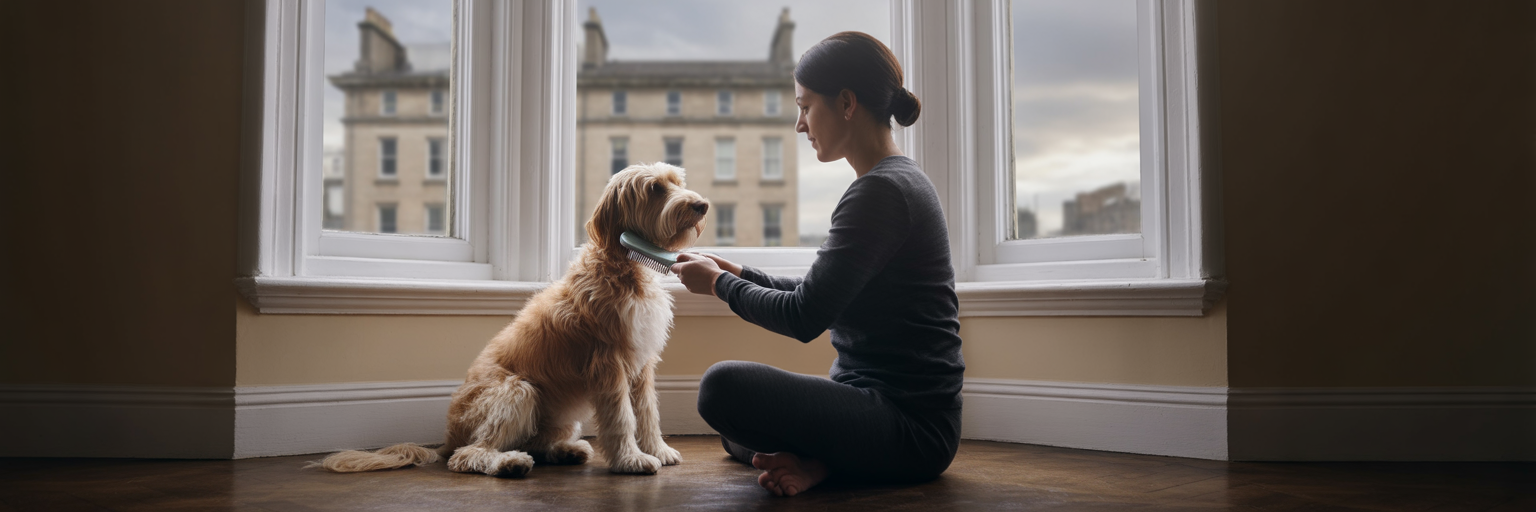
Laying the Groundwork for a Positive Experience at Home
Dogs learn through association. A new experience, like grooming, can be intimidating if it’s full of unfamiliar sensations. The goal is to build a foundation of positive feelings about being handled long before you step into a salon. This preparation turns a potentially stressful event into just another pleasant interaction with you.
Start by rethinking how you handle your dog. Instead of just a quick pat, begin with short, gentle touches on their back and shoulders, areas they are usually comfortable with. As you do this, offer a high-value treat, like a tiny piece of chicken. Gradually, over days or weeks, move towards more sensitive spots like their paws, ears, and tail. Keep these sessions short, just a few seconds at a time, and always end with a reward. This process teaches them that being touched in these ways predicts something wonderful.
The same principle applies to grooming tools. Let your dog sniff a new brush first. Then, touch them gently with the back of it, followed by a treat. The next step is a single, soft brush stroke, followed immediately by another reward. This is how to prepare dog for groomer success; by breaking down the experience into tiny, manageable steps. The sound of clippers or a hairdryer can also be introduced from a distance, gradually decreasing the distance while offering praise and treats for calm behaviour.
To mimic the feel of a grooming table, you can use a sturdy, low surface like a coffee table with a non-slip mat. Coax your dog onto it for just a moment, give them a treat, and let them get straight back down. The aim isn't to perform a full groom, but to make the environment predictable and safe. Every interaction must end on a positive note, leaving your dog feeling confident. This approach is central to modern animal training, and for those interested in the science, we have great resources on positive reinforcement.
The Health Benefits Beyond a Tidy Coat
With that groundwork laid, it’s important to understand why professional grooming is more than just a haircut. Many owners see it as a cosmetic luxury, but it’s a fundamental part of your dog’s healthcare routine. A professional groomer is often the first line of defence in spotting potential health issues.
During a groom, a groomer’s hands are all over your dog, allowing for early detection of abnormalities that might be missed at home. Lumps, skin inflammation, ticks, or cysts hidden under thick fur can be identified before they become serious problems. This hands-on check is invaluable.
Essential nail care is another critical aspect. Overgrown nails are not just untidy; they can be painful. They force a dog to alter its posture, which can lead to joint pain and even arthritis over time. Many owners are hesitant to trim dark nails where the quick isn't visible, but a professional groomer has the skill and tools to do it safely.
Perhaps most importantly, regular grooming prevents painful matting. Mats are more than just tangled hair; they are tight knots that pull on the skin, restrict blood flow, and can create a warm, moist environment for bacteria and parasites to thrive. Severe matting can cause significant pain and skin infections. For dogs prone to this, regular professional de-matting is a crucial preventative measure.
Finally, professional grooming improves overall hygiene. A groomer will clean sensitive areas prone to infection, such as around the eyes and ears, and perform sanitary trims. This isn't just about looking clean; it's about preventing discomfort and health complications.
Choosing the Right Beginner-Friendly Groomer in Dundee
Once you recognise the importance of grooming, the next step is finding the right professional. When searching for dog grooming Dundee services, especially for a first-timer, it’s about finding a partner in your dog’s wellbeing, not just a service provider. Your first impression of a salon is often the most telling, so trust your instincts when you visit.
A great groomer will be happy to answer your questions and will understand the needs of a nervous dog. Look for services that explicitly mention gentle introductions or puppy packages. These groomers are already thinking about your dog's emotional state. Before committing, ask a few key questions:
- Do you offer a specific introductory package for a puppy's first groom?
- How do you manage a dog that shows signs of stress or fear?
- Are dogs given breaks during the grooming process?
- Can you explain your drying process?
Understanding canine body language is crucial for both owners and groomers. According to animal welfare charity Blue Cross, recognising subtle signs of stress like lip licking or yawning can help prevent a situation from escalating. A good groomer will be attuned to these signals. They should ask you detailed questions about your dog’s health, temperament, and past experiences. This two-way conversation shows they are invested in creating a positive outcome. A groomer who is dismissive of your concerns is a clear red flag.
To help you assess a salon, here is a quick checklist.
| Feature to Check | Green Flag (What to Look For) | Red Flag (What to Avoid) |
|---|---|---|
| Salon Environment | Clean, well-lit, and calm atmosphere. Secure doors/gates. | Strong chemical smells, excessive barking, chaotic or dirty environment. |
| Staff Interaction | Staff are patient, friendly, and gentle with the dogs. | Staff seem rushed, impatient, or handle dogs roughly. |
| Services for Beginners | Offers 'puppy's first groom' packages or gradual introductions. | A 'one-size-fits-all' approach with no flexibility for nervous dogs. |
| Communication Style | Asks detailed questions about your dog's health and temperament. | Vague answers, dismissive of your concerns, or no pre-groom consultation. |
| Drying Method | Uses variable-speed or low-velocity dryers; offers fluff drying by hand. | Exclusive use of high-velocity cage dryers without supervision. |
Preparing for the Big Day
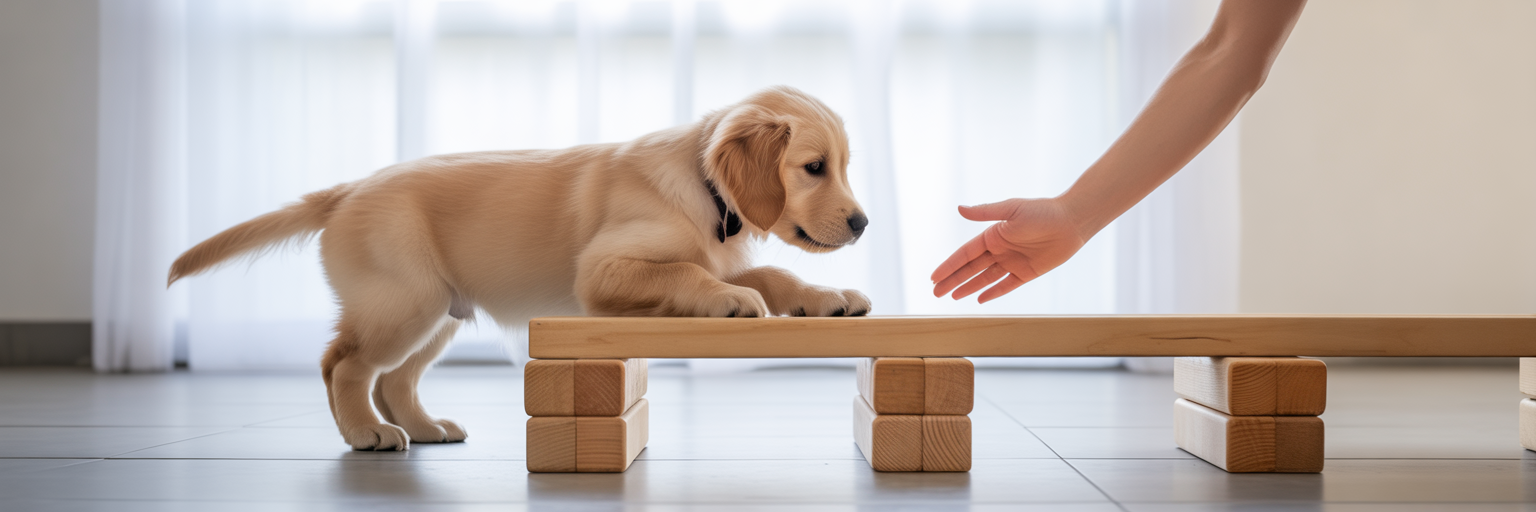
With a groomer chosen and your at-home prep complete, the focus now shifts to the hours immediately before the appointment. Your goal is to arrive with a dog that is physically and mentally ready for a calm experience.
A tired dog is a relaxed dog. A good amount of exercise beforehand can make a world of difference. This doesn't mean exhausting them, but rather burning off any nervous energy. A long walk along the Tay or a good run around an open space like Camperdown Park is perfect. This helps them settle more easily in the new environment of the grooming salon.
Just before you head inside, make sure to give your dog one last toilet break. A full bladder can make a dog antsy and uncomfortable, which can be misinterpreted as behavioural issues. Preventing accidents helps the groom go much more smoothly for everyone.
You can also pack a small 'comfort kit' to help your dog feel more secure, especially for a puppy's first groom. This isn’t about bringing their entire toy box, but a few carefully chosen items can help. Consider including:
- A few high-value treats that the groomer can offer as a reward.
- A small, familiar blanket or t-shirt with your scent on it.
- A favourite chew toy that can keep them occupied if there are short breaks.
Finally, and most importantly, manage your own anxiety. Dogs are incredibly perceptive and will mirror your emotions. If you are nervous, they will be too. Your calm confidence is a signal to your dog that they are in a safe place. Hand them over with a cheerful, matter-of-fact attitude, as if you were dropping them off with a trusted friend.
What to Expect During the First Appointment
Handing your dog over for their first dog grooming appointment can feel like a mystery. Understanding the process can help manage your own expectations. The appointment will begin with a brief consultation and handover, where you can pass on any last-minute reminders about your dog’s quirks or sensitivities.
The most important thing to remember is this: the goal is experience over perfection. A successful first groom is one where the dog leaves happy and unstressed, not one that results in a flawless, show-quality haircut. A happy dog with a slightly uneven trim is a huge win. The groomer's priority is to build trust and ensure your dog sees grooming as a tolerable, or even pleasant, activity.
To achieve this, a groomer will adapt their process. They might use special nervous dog grooming tips, such as using a 'happy hoodie' to muffle the noise of the dryer or breaking the groom into smaller, more manageable segments. The typical process involves a brush-out, a gentle bath, low-heat drying, and then the clipping or trimming. Don’t be surprised if the groomer calls you to say they are stopping the session. This isn't a sign of failure. It’s the mark of a responsible professional who prioritises your dog's welfare over finishing the job. They know when to stop before a dog becomes too overwhelmed, ensuring the next visit starts on a positive note.
After the Groom and Building a Routine
The experience doesn't end when you pick your dog up. Your reaction and follow-up are key to cementing the day as a positive event. When you collect them, give them a warm welcome with plenty of praise and a special reward. This reinforces the idea that returning to you after grooming is a great thing.
Once home, take a few moments to gently check them over. This isn't to find fault with the groomer's work, but to admire their tidy coat and continue normalising the sensation of being handled all over. It shows your dog that touching their paws, ears, and body is a normal part of life, not just something that happens in a salon.
The final and most crucial step is to establish a consistent schedule. Regularity turns grooming from a rare, unpredictable event into a normal part of their routine. The key to success is consistency, so book their next appointment before you leave the salon. If you're unsure about frequency, it's worth asking your groomer, but you can also learn more about how often a dog should be groomed based on their specific needs.