
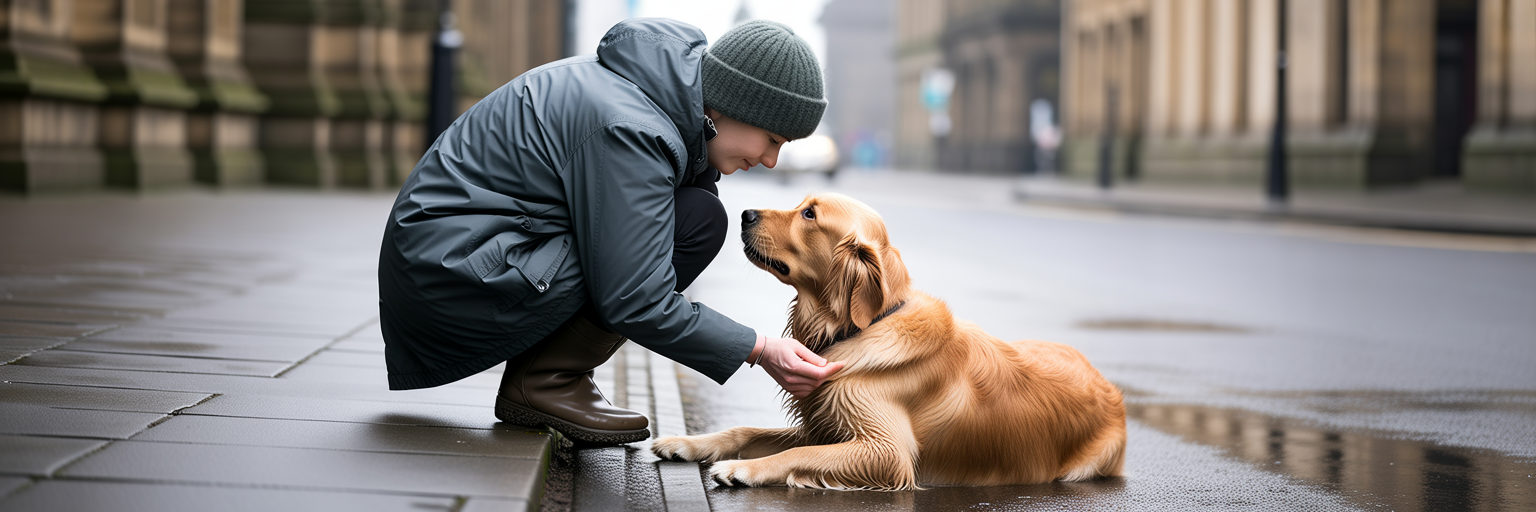
Your Essential Guide to Protecting Dog Paws in a Dundee Winter
Why Winter Paw Care is Crucial in Dundee
There is nothing quite like the crisp air on a winter walk through Camperdown Park or along the frosty banks of the River Tay. These moments are a cherished part of life for dog owners in Dundee. Yet, beneath the beautiful scenery lies an unseen hazard on our pavements and roads. The salt and grit spread by Dundee City Council are essential for keeping us safe, but they are incredibly harsh on our dogs’ sensitive paw pads.
Think of the gritty texture under your own boots. Now imagine that on unprotected paws. The de-icing materials are not just coarse, they are also chemical irritants. This combination creates a direct threat that many owners overlook until their dog starts showing signs of discomfort. The goal is to protect dog paws from salt and grit before the damage is done, not after.
Missed opportunities in paw care often stem from not understanding the specific risks. These include chemical irritation from salt, abrasive cuts from sharp grit, the danger of toxicity if your dog licks their paws clean, and painful cracking caused by the cold. We all want our dogs to enjoy their winter dog walks Scotland has to offer, without ending them in pain.
The good news is that you can prevent these issues. A simple, consistent routine can ensure these beloved walks remain a source of joy, not injury. This guide will provide you with the actionable steps needed to keep your dog’s paws healthy and comfortable all winter long.
The Hidden Dangers of Salt and Grit on Paws
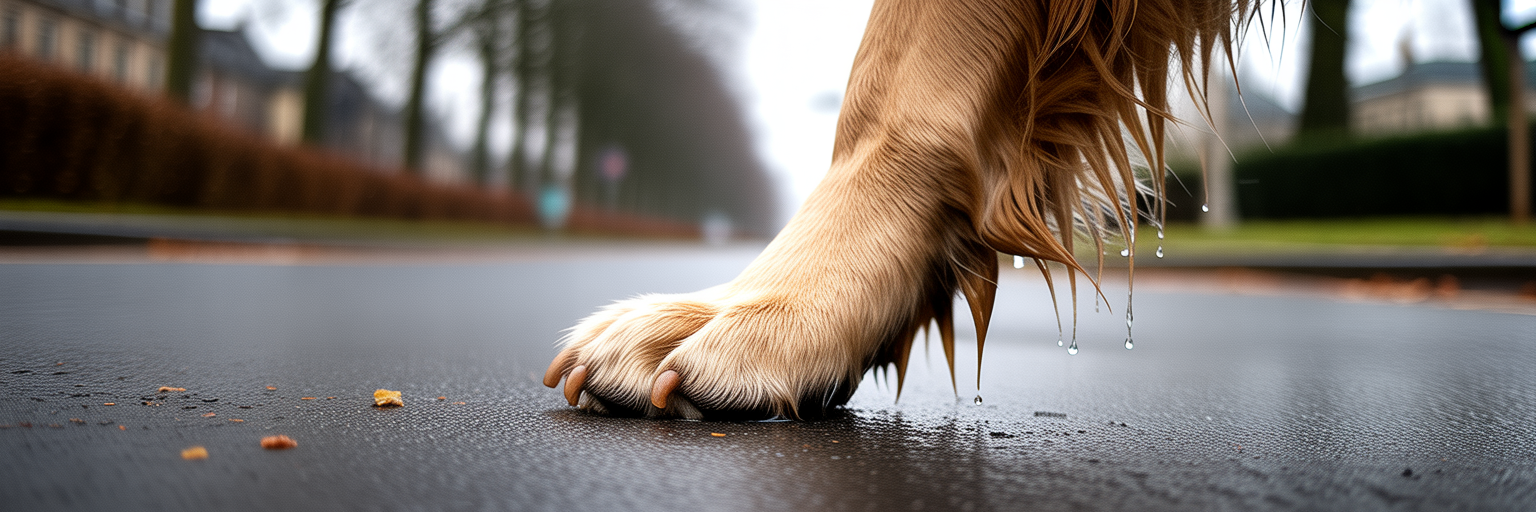
While a quick glance at a gritted pavement might not seem alarming, the impact on a dog's paws is significant and multifaceted. Understanding what is happening at a microscopic level helps clarify why preventative care is so important. The dangers go far beyond simple discomfort.
Chemical Burns
De-icing salts are caustic by nature. When a dog’s paw pad is in prolonged contact with road salt, the chemicals actively draw moisture out of the tissue. This process can lead to painful chemical burns, which often appear as red, raw, or even blistered patches. It is a slow, damaging process that your dog may not show signs of until the irritation becomes severe.
Abrasive Injury
The grit mixed with salt acts like sandpaper against soft paw pads. Each step on a treated surface can create tiny, invisible cuts and scrapes. These micro-abrasions are not only painful but also create entry points for bacteria, leading to potential infections. Worse, sharp particles can become painfully lodged between a dog's toes, requiring careful removal. Effective grit on dog paws treatment starts with preventing this from happening in the first place.
Toxicity Risk
What is the first thing a dog does when its paws feel irritated? It licks them. This natural grooming instinct becomes a serious hazard in winter. As Avenues Veterinary Centre in Glasgow highlights, ingesting rock salt and the chemicals it contains can cause gastrointestinal distress, including vomiting and diarrhoea. In larger amounts, it can lead to more severe salt poisoning, making post-walk cleaning an absolutely essential task.
Environmental Cracking
The cold itself is a contributing factor. Cold, hard pavements cause paw pads to lose their natural elasticity, making them brittle. When you combine this with the intense drying effect of salt, the risk of painful cracks and fissures increases dramatically. These deep cracks can be difficult to heal and are extremely painful for your dog.
Your Pre-Walk Paw Protection Toolkit
The most effective way to handle winter paw problems is to prevent them before you even step out the door. A few minutes of preparation can save your dog from days of pain and discomfort. Think of it as getting your dog dressed for the weather, just as you would put on your own coat and boots. This simple but powerful routine creates a vital shield against the harsh elements.
Trim Paw Fur to Prevent Build-Up
Have you ever noticed how snow and ice cling to the fur between your dog’s pads? That long hair acts as a magnet for ice balls, salt, and grit, holding these damaging substances directly against their sensitive skin. Keeping this fur trimmed is a fundamental step in winter paw care.
Carefully trim the hair so it is flush with the pads. We strongly recommend using round-tipped safety scissors to avoid any accidental nicks. If you are not confident doing this yourself, a professional groomer can perform the task perfectly. This is a key part of the comprehensive dog paw pad care services offered by local experts.
Apply a Protective Barrier Balm
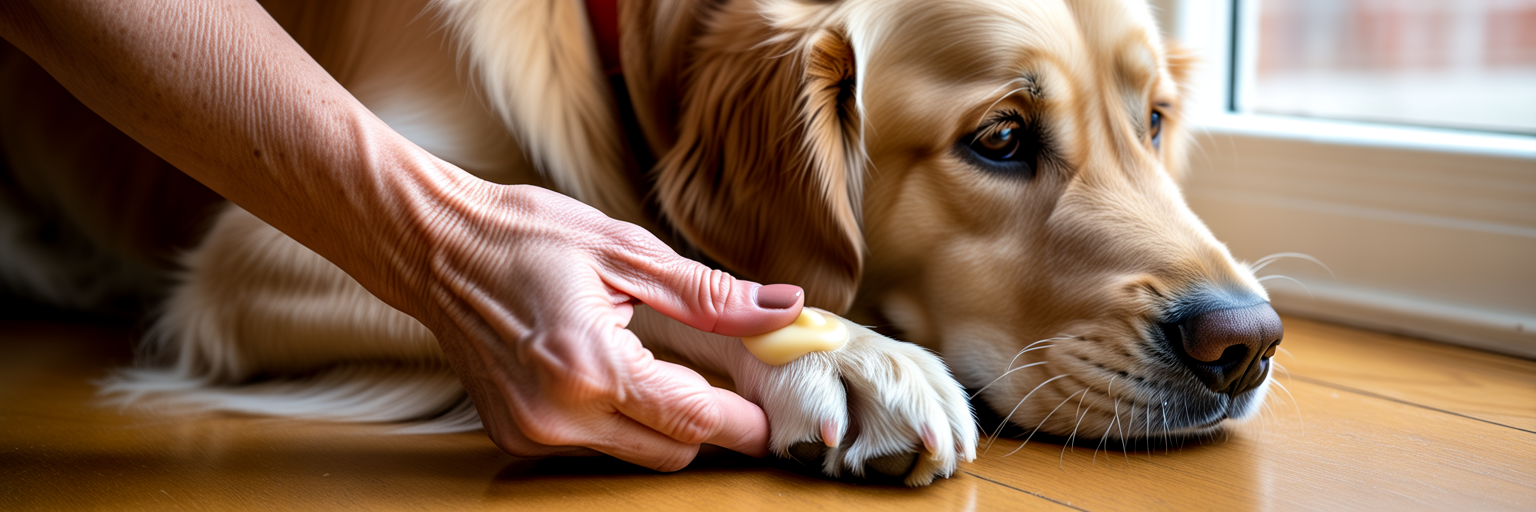
A quality paw wax or balm creates an invisible but effective shield between your dog’s paws and the street. It is like applying a waterproof layer that repels salt and prevents grit from becoming embedded. Just before you head out, massage a thin but thorough layer of balm onto each pad and work it gently between the toes. This small step provides a surprising amount of protection.
Consider Dog Boots for Ultimate Protection
While balms offer good protection, dog boots for winter provide the most complete defence. They are especially useful for dogs with particularly sensitive paws, or for walks on heavily treated city centre pavements. We know what you might be thinking: my dog will never wear those. But with a little patience, most dogs can learn to accept them.
Follow these steps for a successful introduction:
- Let your dog sniff and investigate the new boots. Reward their curiosity with a treat.
- Gently touch the boots to their paws for a moment, then reward them again. Keep it positive.
- Put one boot on for just a few seconds. Then remove it and offer praise and a treat.
- Gradually increase the time and the number of boots you put on, always using positive reinforcement.
- Start with short, fun sessions indoors before attempting your first outdoor walk.
Smarter Winter Walks Around Dundee
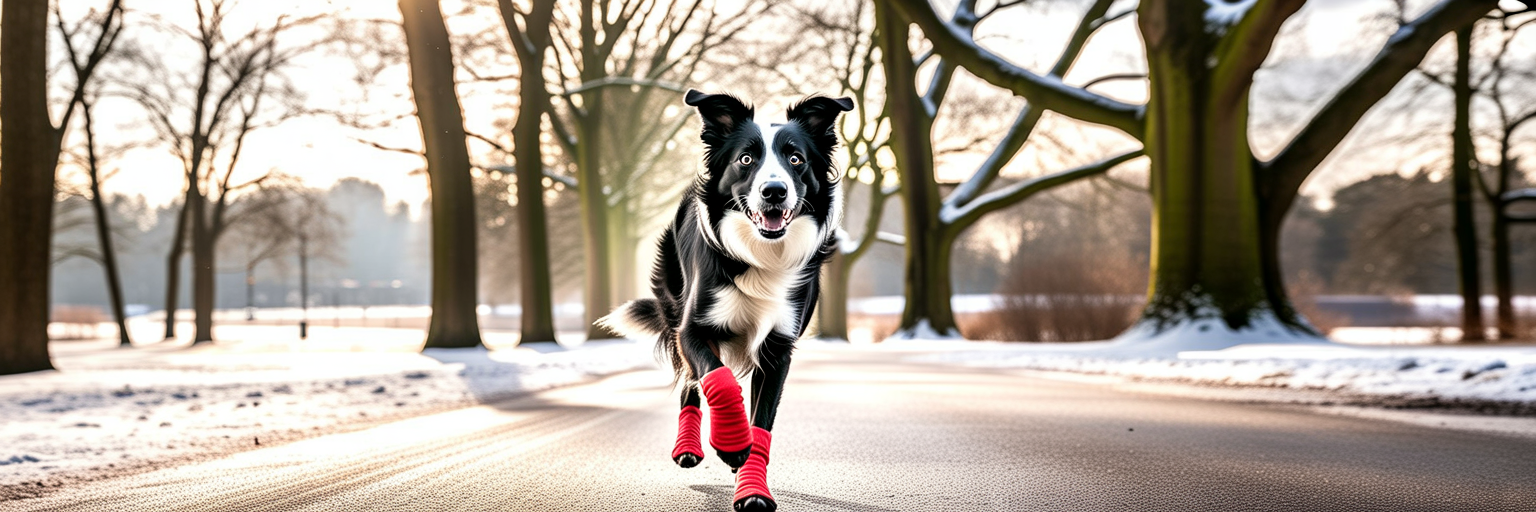
Beyond preparing your dog’s paws, you can also make strategic choices about where and how you walk. Being observant during your outings is just as important as the pre-walk prep and post-walk cleanup. This is about working smarter, not harder, to keep your dog safe.
Choose your walking routes with paw safety in mind. Instead of sticking to the heavily gritted city centre pavements around the High Street, consider heading for the grassy expanses of Baxter Park or the woodland trails of Balgay Hill. While main paths in parks might be treated, the surrounding green spaces are usually free of salt and grit. This simple change of scenery can make a huge difference.
You also need to become an expert at spotting hazards. Steer your dog clear of the slushy puddles that form at kerbsides. These often contain a high concentration of dissolved salt and chemicals, creating a toxic soup that is especially damaging to paws. A little awareness goes a long way.
Most importantly, learn to read your dog’s body language. Are they suddenly stopping, lifting a paw, whining, or starting to limp? These are clear signs of discomfort. If you see this, stop immediately. Find a patch of clean snow or grass to gently wipe their paws and inspect for any lodged grit or ice. If the discomfort continues, it is best to cut the walk short and head home to perform a thorough cleaning.
| Location Type | Primary Risk | Best Practice | Example Dundee Location |
|---|---|---|---|
| City Centre Pavements | High concentration of salt and grit | Use boots or barrier wax; keep walks short | High Street, Nethergate |
| Residential Streets | Moderate salt and grit, slush puddles | Wipe paws immediately after; avoid puddles | Broughty Ferry side streets |
| Managed Parks | Low risk on grass, main paths may be gritted | Stick to grassy areas; check paws after | Baxter Park, Victoria Park |
| Natural Trails | Minimal salt/grit, but can be icy/muddy | Good traction boots; check for mud/ice balls | Balgay Hill, Camperdown Park trails |
The Essential Post-Walk Paw Cleaning Ritual
This final step of your walking routine is absolutely non-negotiable for proper dog paw care Dundee. No matter how well you protect your dog’s paws before and during a walk, some residue will always find its way onto their pads. Cleaning their paws the moment you get home removes harmful substances before they can cause damage or be ingested. Turning this into a habit is one of the most important things you can do for your dog’s winter health.
Here is a simple, effective "dunk-and-dry" method to follow:
- Preparation: Before you even leave for your walk, get everything ready. Place a bowl of lukewarm water and a clean, soft towel by your front door. This simple act removes any friction to getting the job done immediately upon your return. You are more likely to do it if everything is waiting for you.
- The Dunk: As soon as you are back inside, gently dip each of your dog’s paws into the lukewarm water. Swish each paw around for a few seconds to dissolve any salt and dislodge hidden grit from between the toes. It is vital to use lukewarm, not hot, water. Hot water can be painful on cold pads and can worsen irritation.
- The Dry: This step is just as critical as the wash. Trapped moisture can lead to its own set of problems, including yeast infections and sores. Thoroughly pat each paw dry with the towel, paying special attention to the delicate skin between the toes. Avoid vigorous rubbing, which can be abrasive. A gentle patting motion is all that is needed.
- Inspect and Soothe: Once the paws are clean, dry, and have warmed up to room temperature, take a moment for a quick visual inspection. Look for any redness, small cuts, or signs of irritation. To finish, apply a thin layer of a natural, healing paw balm. This rehydrates the pads after the drying effects of the cold and salt, soothes any micro-abrasions, and helps them recover before the next adventure.
Recognising and Responding to Paw Problems
Even with the best preventative care, problems can sometimes arise. The key is to spot them early and know how to respond. Being vigilant allows you to address minor issues before they become serious ones that require veterinary intervention.
Pay close attention to your dog’s behaviour after a walk. The earliest warning signs of irritation are often subtle. Does your dog persistently lick or chew at their paws? Have you noticed any redness between their toes? Do they show a slight limp or hesitation to put weight on a certain foot? These are the first signals that something is wrong.
More serious injuries are also important to identify. Cracked pads will appear as visible fissures or splits in the tough outer layer of the paw. Chemical burns often look like raw, inflamed, or even blistered patches of skin. These are not minor issues and require immediate attention.
For a minor, superficial crack, you can provide some first aid at home. Gently clean the area with a pet-safe antiseptic wash, pat it completely dry, and apply a healing balm. As animal welfare experts at Company of Animals note, preventing your dog from licking the area is crucial for healing, so you may need to use a cone or a protective sock. However, it is vital to know your limits. If a paw is bleeding, swollen, weeping pus, or if you suspect a chemical burn, do not wait. A visit to the veterinarian is essential and should be sought immediately.
How Dundee Groomers Can Support Your Winter Routine
Managing your dog’s paw health through a Dundee winter is a team effort, and a professional groomer is one of your most valuable teammates. They are more than just stylists; they are experts in skin and coat health who can be an essential part of your preventative care strategy.
A groomer can provide a perfect "pawdicure" that sets your dog up for success. This includes safely trimming the fur between the pads to the ideal length, which reduces the build-up of ice and grit. They can also clip nails correctly, which helps with posture and reduces the risk of paws splaying and collecting more debris.
During a routine appointment, a groomer’s trained eye can spot the early signs of irritation or cracking that an owner might miss. They can offer personalised dog grooming tips Dundee residents need, tailored specifically to your dog’s coat, skin type, and lifestyle. Think of them as a partner who helps you maintain your dog’s health year-round. Paws that are healthy and resilient before winter arrives are far better equipped to handle its challenges.
Do not wait for a problem to appear. By exploring our directory, you can connect with trusted, local professionals who make pet care simpler and help keep your dog happy and comfortable all season long.