
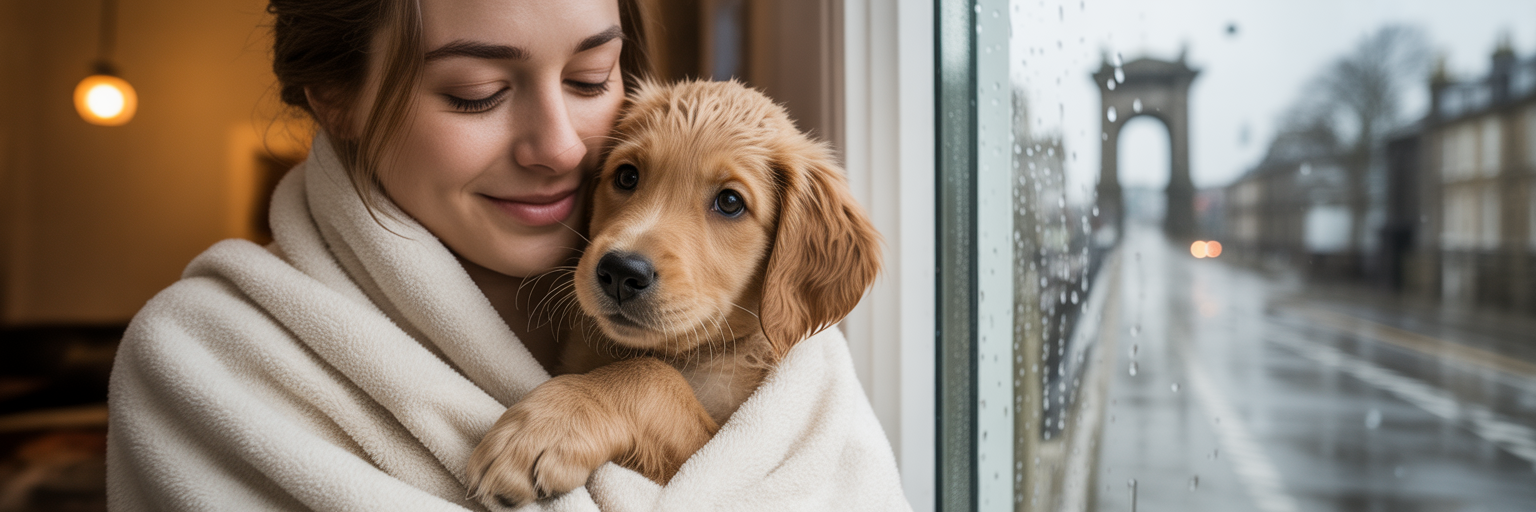
Keeping Your Puppy Cosy and Clean Through a Dundee Winter
Understanding Dundee's Winter Challenges for Your Puppy
A Dundee winter is a unique experience. It’s not just the cold, but the persistent damp and the biting wind that sweeps in from the Tay. This specific climate presents a distinct set of challenges for a young dog, meaning your approach to puppy grooming in Dundee needs to be more considered than simply letting their coat grow out for warmth.
Many owners believe a long, thick coat is a puppy’s best defence against the cold. It’s a logical assumption, but in our wet winters, it’s a counterintuitive one. During a damp walk around Camperdown Park or along the Broughty Ferry beach, a long puppy coat acts like a sponge. It soaks up and traps moisture right against the skin. This doesn’t just result in muddy paw prints across the floor; it can lead to genuine health concerns by keeping your puppy chilled long after you’re back indoors.
This trapped moisture creates a perfect environment for skin problems. The primary risks of inadequate winter grooming are not just cosmetic. They include:
- Skin Infections: Constantly damp fur close to the skin can become a breeding ground for fungal and bacterial infections, leading to irritation, sores, and discomfort for your puppy.
- Painful Paws: Moisture mixed with freezing temperatures can form sharp, painful ice balls between your puppy’s paw pads. This makes walking uncomfortable and can even cause cuts or abrasions.
- Dry, Flaky Skin: The constant cycle of going from the cold, wet outdoors into a centrally heated home can strip the skin of its natural oils. This often results in dryness, dandruff, and persistent itchiness.
Thinking about a proactive grooming routine is not about vanity. It is a fundamental part of your puppy’s health and comfort, especially during their first formative winter. Proper winter dog care in Scotland means managing their coat and paws to keep them warm, dry, and healthy. These practices are essential for navigating the season safely and set the stage for a lifetime of good health.
Mastering the Art of Winter Coat Maintenance
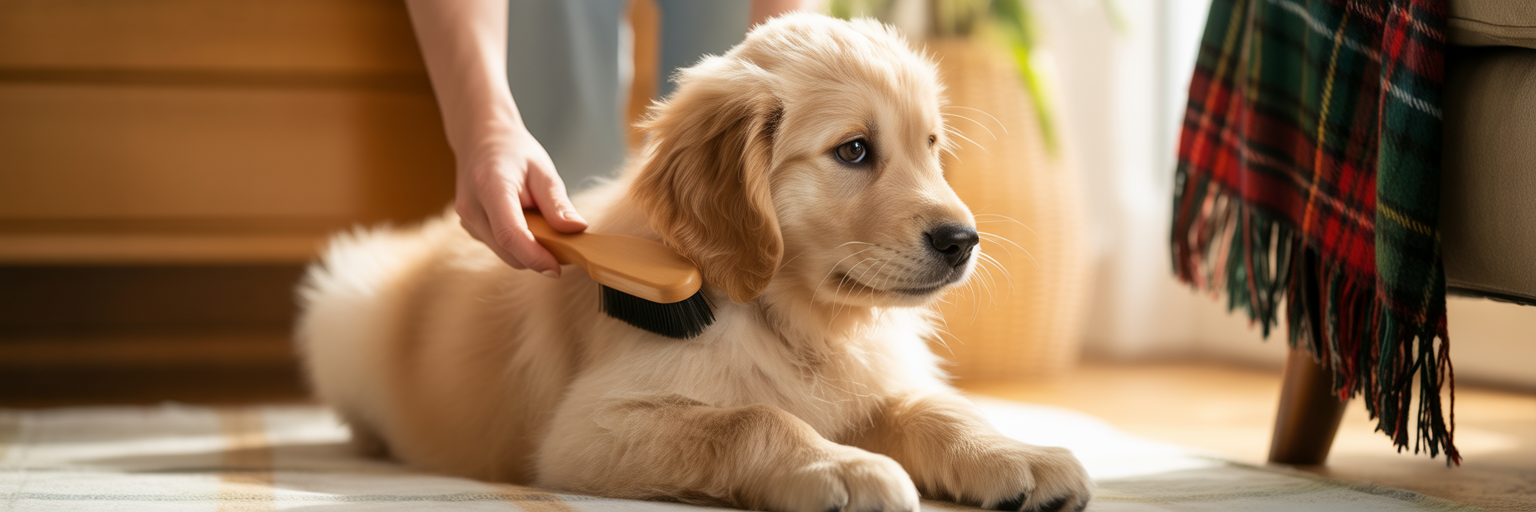
With the challenges of a damp winter established, the focus shifts to practical coat care. The single most important habit to adopt is daily brushing. The friction from a winter coat or harness on damp fur can quickly create tangles and mats. Consistent brushing is your first line of defence against the problems associated with wet weather dog grooming.
For this to be effective, you need to do more than just skim the surface. The ‘line brushing’ technique is particularly useful. This involves parting the fur in sections and brushing from the root outwards. This method ensures you reach the dense undercoat, removing loose hair, dirt, and debris before they can form stubborn mats close to the skin. It’s a game-changer for double-coated breeds that are prone to hidden matting.
This brings us back to the ideal winter coat length. A slightly shorter, well-maintained coat is far more practical than a long one. It dries faster, collects less mud, and is easier to keep tangle-free, all while providing sufficient insulation. A professional ‘winter trim’ or ‘teddy bear cut’ is not about shaving your puppy down. It’s a strategic trim that keeps the fur at a manageable length, especially around the paws, belly, and sanitary areas where mud and moisture collect most.
If mats have already formed and are too tight to brush out, never try to cut them out with scissors, as it’s incredibly easy to cut the skin. In these situations, finding a professional who offers a specialised service is the safest choice for your puppy. Many groomers provide de-matting treatments that can safely resolve the issue.
| Puppy Coat Type | Recommended Brush | Primary Purpose |
|---|---|---|
| Short, Smooth Coats (e.g., Beagle, French Bulldog) | Rubber Curry Brush or Bristle Brush | Removes loose hair, stimulates skin oils, and provides a gentle massage. |
| Double Coats (e.g., Golden Retriever, German Shepherd) | Slicker Brush and Undercoat Rake | Slicker brush removes tangles from the topcoat; the rake removes loose undercoat to prevent matting. |
| Curly/Wavy Coats (e.g., Poodle, Cockapoo) | Slicker Brush and Metal Comb | Slicker brush prevents mats from forming; the comb is used to check for and work through any remaining tangles. |
| Long, Silky Coats (e.g., Yorkshire Terrier, Shih Tzu) | Pin Brush and Metal Comb | Pin brush gently detangles without breaking the hair; the comb addresses finer tangles, especially on the face and legs. |
A Guide to Safe Winter Bathing
While keeping your puppy clean is important, winter bathing requires a different approach. It’s best to reduce the frequency of full baths during the colder months. Over-washing can strip the natural, protective oils from your puppy’s coat and skin. This protective barrier is what helps repel water and insulate them. Without it, their skin can become dry, itchy, and flaky, a problem made worse by the dry air from our indoor heating systems.
When a bath is unavoidable, following a careful process ensures your puppy stays safe and comfortable. For a first-time owner, breaking it down into steps can make it feel much more manageable.
- Preparation is Key: Before you even get your puppy, gather everything you need in a warm, draft-free room like a bathroom. Have several towels, a high-quality puppy shampoo, and a cup for rinsing all within arm’s reach.
- Check the Water Temperature: Always use lukewarm water. A good way to check is to test it on the inside of your wrist; it should feel comfortable, not hot or cold.
- Choose the Right Shampoo: Opt for a gentle, moisturizing puppy shampoo. Formulas containing oatmeal are excellent for soothing skin that may already be dry from the winter air.
- Wash with Care: Lather the shampoo gently, being careful to avoid your puppy’s eyes and ears. When you’re done, rinse thoroughly. Any shampoo residue left behind can cause skin irritation.
- Drying is Critical: This is the most important step in winter. Never let a puppy air-dry in a cold house. It can cause them to become dangerously chilled and can contribute to skin issues like ‘hot spots’. Start by towel-drying them as much as possible. Then, use a pet-specific hairdryer on a low, warm setting. Keep the dryer moving constantly to avoid concentrating heat on one area of their skin.
For managing daily dirt from wet weather dog grooming, you don’t always need a full bath. A damp cloth is perfect for spot-cleaning muddy paws and bellies after a walk. For a quick refresh between baths, a waterless shampoo foam can work wonders. It helps clean the coat without needing a full rinse and dry, making it a practical winter solution.
Essential Paw Protection for Wet and Cold Pavements
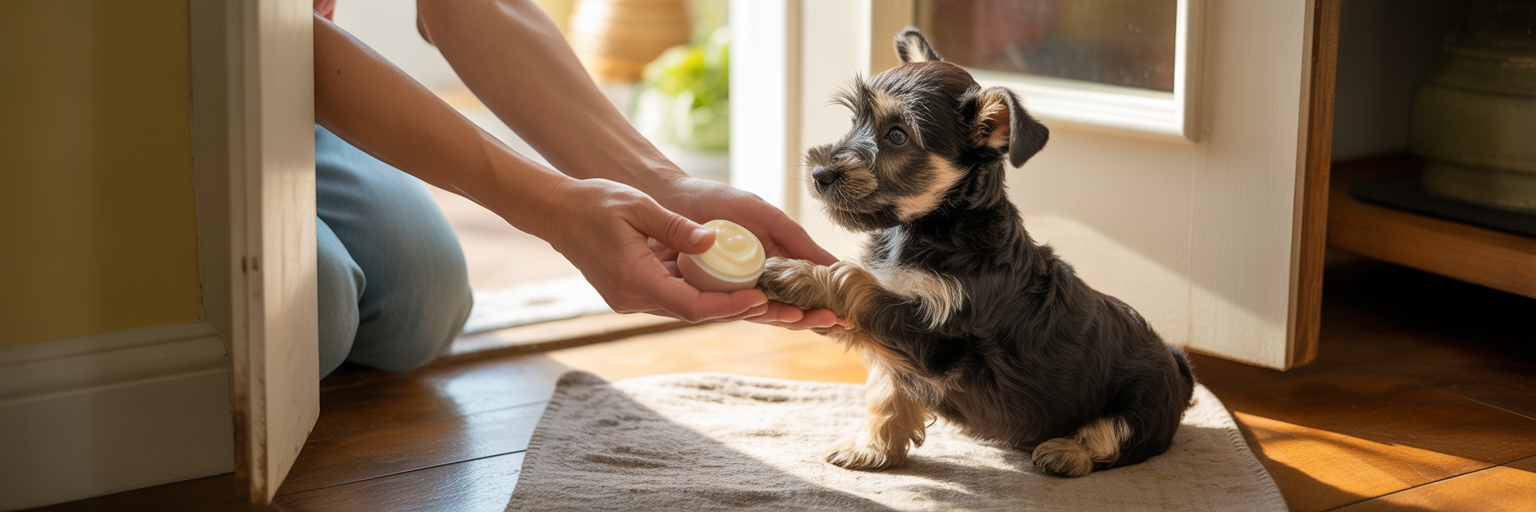
A puppy’s paws are especially vulnerable during a Dundee winter. Our pavements pose several threats: prolonged dampness from puddles, freezing surfaces that can cause discomfort, and the grit or de-icing salts used on roads and paths. These salts can be highly irritating and severely dry out the sensitive pads of their paws. This makes dedicated paw care a critical component of winter dog care in Scotland.
Adopting a simple post-walk routine is a non-negotiable habit. As soon as you get home, take a moment to care for their paws. Gently wash or wipe them with a warm, damp cloth to remove any mud, salt, or other irritants. Afterwards, and this is the crucial part, dry them thoroughly, paying special attention to the areas between the toes and pads where moisture loves to hide.
Another excellent tip for how to protect dog paws in winter is using a protective paw balm or wax. Applying a thin layer before you head out for a walk creates an invisible barrier. This shield helps protect the pads from direct contact with cold surfaces and chemical de-icers. When choosing a product, look for natural, lick-safe formulas made specifically for dogs. If you notice your puppy's pads are becoming cracked or overly dry, remember that professional groomers can help. Many offer specialised dog paw pad care treatments to restore moisture and health.
For some puppies, especially those with very sensitive paws or during particularly icy conditions, dog booties can be a great solution. It’s true that not every dog will tolerate them, but they offer the best protection against extreme cold and harsh grit. If you decide to try them, introduce them positively. Let your puppy sniff them first, then try putting one on for a few seconds, followed by a treat. Gradually increase the time they wear them indoors before ever attempting a walk outside. This slow and steady approach builds a good association and makes the process far less stressful.
Beyond the Coat: Complete Winter Wellness Checks
A comprehensive grooming routine goes beyond just fur and paws. To ensure your puppy is truly comfortable and healthy throughout the winter, it helps to establish a weekly wellness check-in. This is a quiet moment you can set aside to gently inspect their ears, eyes, and nails. Not only does this help you catch potential issues early, but it also strengthens the bond between you and your new companion as they learn to trust being handled.
Here are the key areas to include in your weekly check, broken down into a simple list:
- Ear Care: The damp Dundee climate can increase the risk of ear infections, particularly for breeds with floppy ears that trap moisture. Once a week, take a gentle look inside their ears. Healthy ears should be clean and pale pink. Check for any redness, swelling, or an unusual odour, as these can be signs of an infection. You can clean the outer part of the ear with a cotton ball dampened with a vet-approved cleaning solution, but never insert anything like a cotton bud into the ear canal.
- Eye Care: It’s normal for puppies to have a little discharge, or ‘sleep’, in the corners of their eyes. Use a soft, damp cloth to gently wipe this away. Keeping this area clean is important because built-up discharge can cause skin irritation and tear staining, which can become more pronounced when their face is frequently wet from rain or snow.
- Nail Trimming: During winter, your puppy might be taking shorter walks or spending more time on soft surfaces like grass and mud instead of hard pavements. This means their nails may not wear down naturally. When nails get too long, you might hear them clicking on your floor. Overly long nails can affect a puppy’s posture and gait, causing discomfort or even pain. If you’re not confident trimming them yourself, it’s always best to seek professional help.
Integrating these simple checks into a manageable weekly routine is a proactive way to monitor your puppy’s overall health. It transforms grooming from a chore into a caring practice that keeps them happy and healthy all winter long.
Finding the Right Professional Grooming Support in Dundee
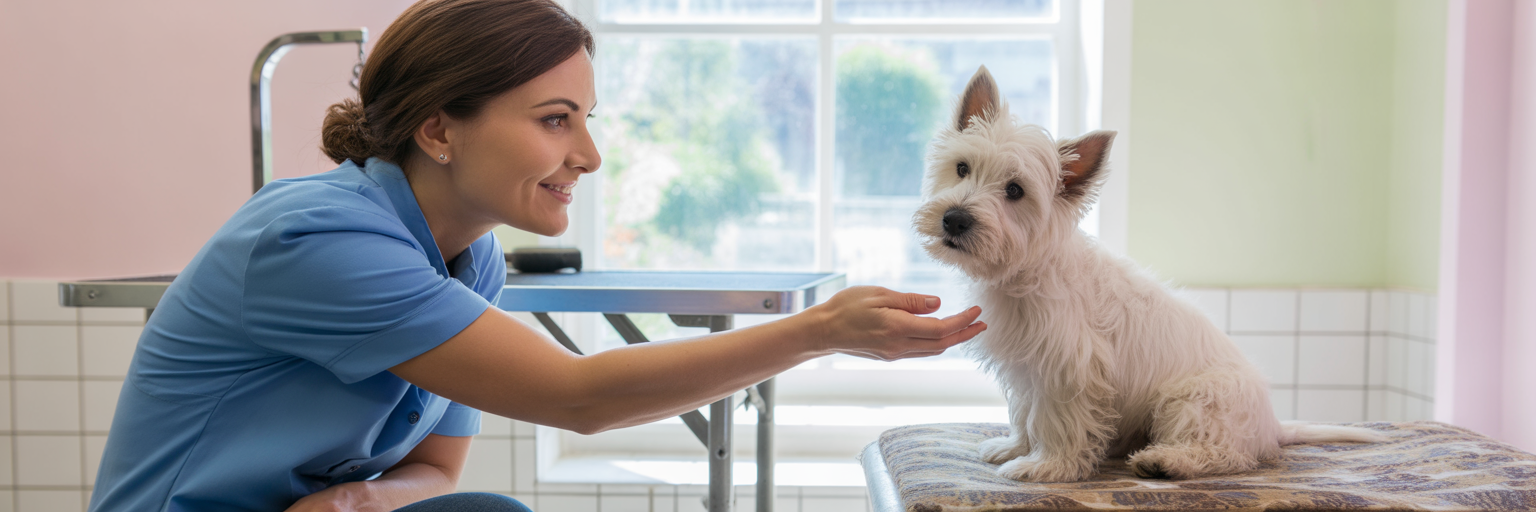
While at-home care is the foundation of a healthy winter routine, there are times when the expertise of a professional is essential. Knowing when to book an appointment can save both you and your puppy a lot of stress. It’s time to call a professional if you notice stubborn mats that you can’t brush out, if your puppy’s nails are overgrown and you’re uncomfortable trimming them, or if they need a skilled sanitary trim to keep them clean and hygienic.
For a new owner, booking a puppy's first grooming session is about more than just a haircut. It is a crucial socialisation experience. A skilled and patient groomer will introduce your puppy to the sights, sounds, and sensations of a salon in a positive and gentle manner. They use this first visit to build trust, ensuring the puppy learns that grooming is a pleasant experience. This early introduction sets them up for a lifetime of stress-free appointments, which is invaluable.
When choosing from the many local dog groomers in Dundee, it’s important to ask the right questions. Don’t hesitate to inquire about their qualifications, their specific experience with your puppy’s breed, and their approach to handling young or nervous dogs. A great groomer will be happy to discuss their process with you. Crucially, you want someone who understands the local climate and its impact on a dog’s coat and skin. They can provide tailored advice and services that go beyond a standard trim.
Finding that perfect professional can feel like a daunting task. This is where a curated directory simplifies the entire process. Instead of searching blindly, you can use a dedicated platform to find trusted professionals in your area. By using our directory of groomers in Dundee, you can easily filter your search by the specific services you need, such as puppy packages or nail trimming, and find qualified experts near your home. It’s a resource designed to connect you with a reliable partner in your puppy’s care, ensuring they stay happy and healthy through their first Dundee winter and beyond.