
How to Find Dog Groomers in Dundee Specialising in Post Surgery Coat Care
Understanding Your Dog's Post-Surgical Grooming Needs
A dog's recovery from surgery extends beyond the veterinary clinic, with proper home care playing a crucial role in their healing. This includes a gentle approach to grooming, which becomes a matter of health, not just appearance.
After an operation, the goal of grooming shifts entirely. It is no longer about achieving a perfect cut but about ensuring your dog's hygiene and comfort. The skin is sensitive, the body is sore, and your dog is likely feeling anxious. This is where gentle dog grooming for recovery becomes essential. An inexperienced hand could accidentally pull stitches, introduce bacteria to an incision site, or cause stress that actively slows down the healing process.
Conversely, the right approach offers significant benefits. Proper grooming prevents the fur around a wound from becoming matted, which can pull on the skin and cause pain. It maintains hygiene, reducing the risk of infection. For many dogs, the soft touch of a brush can also be comforting, helping them feel more like themselves during a confusing time.
It is important to adjust your expectations. A post-surgical groom is not a full cosmetic session. Instead, think of it as a modified grooming plan. The focus will be on essential tasks like spot cleaning, carefully brushing accessible areas, and ensuring the coat does not interfere with the healing site. This specialised dog coat care after an operation validates your concerns and prioritises your pet’s wellbeing above all else.
The Essential First Step: Gaining Veterinary Clearance
Before you even think about booking a grooming appointment, there is one non-negotiable step: you must get your veterinarian’s approval. Their assessment of the wound and overall recovery is the only green light that matters. They can confirm when your dog’s incision has healed enough to safely handle gentle manipulation and contact with water.
We can all picture that moment of uncertainty, wondering if we are asking the right questions. To ensure a clear and safe path forward, have a specific conversation with your vet. Ask them directly:
- When is it safe to schedule the first grooming appointment?
- Are there any areas on the body that the groomer must avoid completely?
- Do you recommend any specific antiseptic or hypoallergenic shampoos for this recovery period?
- What signs of distress or complications should I watch for after the groom?
Getting these instructions in writing is incredibly helpful. A simple email summary or a note from the clinic can be passed to your groomer, eliminating any miscommunication. This ensures everyone involved in your dog’s care is working from the same information.
In some cases, particularly for dogs with high anxiety or complex recoveries, your vet might even recommend a medical-grade groom performed at the clinic. A professional veterinarian will always present the safest options, ensuring your dog’s health remains the top priority throughout their recovery.
Locating and Shortlisting Potential Groomers in Dundee
Once your vet has given you the go-ahead, the search for the right professional begins. Instead of a broad internet search, your most efficient starting point is a dedicated local directory. Using a curated platform like Dog Grooming Dundee allows you to build a list of professional candidates in your area, saving you time and effort.
A key benefit of such a platform is the ability to filter by postcode. For a recovering pet, minimising travel is crucial. A short car ride is far less stressful than a long journey across town. As you browse, you will need to look beyond the standard service lists. It is rare for a groomer to advertise "post-surgical grooming" as a specific service.
Instead, your task is to find a dog groomer in Dundee who highlights experience with dogs requiring special care. Look for mentions of working with nervous, anxious, or senior dogs. These skills are highly transferable. A groomer who understands the patience needed for senior dog care, which you can learn more about in our guide to grooming older pets, will likely possess the gentle handling techniques required for a post-operative animal.
Read their business descriptions and look for clues that suggest a focus on animal welfare over high-volume appointments. Based on their profiles and proximity to your home, create a shortlist of three to four groomers. This focused list prepares you for the next and most important step: direct consultation.
Critical Questions to Ask During the Consultation
With your shortlist ready, it is time to pick up the phone. This conversation is your opportunity to vet each groomer’s expertise and approach to post-surgery dog grooming in Dundee. A prepared set of questions helps you systematically evaluate their suitability and ensures you do not forget anything important during the call.
The following table provides a clear framework for your discussion. It organises key questions by category, helping you cover all critical aspects of safety, experience, and animal welfare.
| Category of Inquiry | Key Questions to Ask | Why This Matters |
|---|---|---|
| Direct Experience | 'Have you groomed dogs recovering from surgery before? What types of procedures?' | Confirms their familiarity with the specific challenges and precautions needed. |
| Handling & Environment | 'How do you create a low-stress environment? Do you use cage dryers or offer hand-drying?' | Assesses their commitment to the dog's emotional and physical comfort during recovery. |
| Safety Protocols | 'How do you work around the incision site? What specific products do you use on sensitive skin?' | Evaluates their technical skill and knowledge of safe practices for fragile skin and wounds. |
| Emergency Procedures | 'What is your procedure if you notice redness, swelling, or signs of pain?' | Reveals their professionalism and whether they prioritise the dog's health above completing the service. |
Beyond these questions, be sure to ask about their policy on veterinary contact. A truly responsible groomer will not hesitate to pause a session and call you or your vet if they notice anything concerning. This willingness to prioritise health over finishing a groom is a powerful indicator of professionalism. It is often what separates a true specialist dog groomer in Scotland from someone simply willing to take the job.
Evaluating the Salon's Suitability and Environment
After your phone consultations, you should have a good feeling about one or two groomers. The final step before making a decision is to assess their physical environment. We recommend scheduling a brief visit to the salon, but this time, leave your dog at home. This allows you to observe the space calmly and objectively without the distraction of managing your pet.
During your visit, pay attention to a few key factors. A calm, quiet atmosphere is far better for a recovering dog than a loud, chaotic one filled with barking. Look for:
- Cleanliness and Ventilation: The salon should smell clean, not of harsh chemicals or damp fur. Good airflow is important.
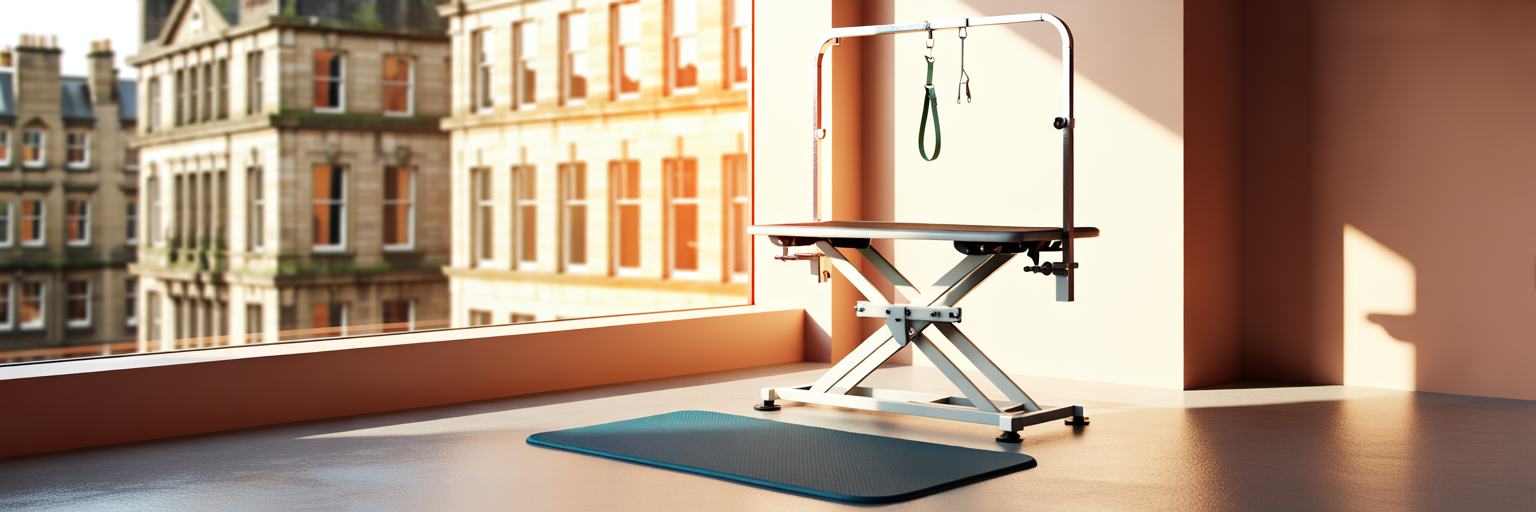
- Secure and Safe Flooring: Floors should be non-slip to prevent accidents, especially for a dog whose balance may be off.
- Individualised Care Areas: Does the salon have separate, quiet holding areas? This prevents stressful interactions with other dogs.
- One-on-One Appointments: Ask if they offer appointments where your dog will be the only one in their immediate care, minimising environmental stress.
Finally, this visit is your chance to assess the groomer’s demeanour in person. Are they patient and willing to answer your follow-up questions? Do they show genuine empathy for your situation? A calm, confident, and reassuring presence can make all the difference. For more general advice on what to look for, our guide on choosing the right groomer offers additional helpful tips that apply here too.
Preparing Your Dog for a Safe and Calm Grooming Visit
On the day of the appointment, your actions can significantly influence how well your dog copes with the experience. The goal is to set them up for a calm and successful visit. Start the day with a familiar, low-key routine. Avoid any exciting or stressful activities before heading to the salon.
A thorough toilet break just before you leave home is essential. A comfortable dog with an empty bladder is more likely to settle down. You might also consider bringing a small comfort item, like a favourite blanket or a toy that smells of home. This can provide a sense of security in an unfamiliar environment.
When you arrive, the handover is a critical moment. Calmly and concisely remind the groomer of the surgery location and reiterate your vet’s specific instructions. Then comes the hardest part for many owners: the goodbye. Lingering and showing your own anxiety can heighten your dog’s separation stress. The best approach is a quick, confident, and positive handover. A simple pat and a cheerful "see you soon" helps your dog understand that this is a safe and normal event, allowing them to settle more easily with the groomer.
Specialised Grooming Techniques for Recovery
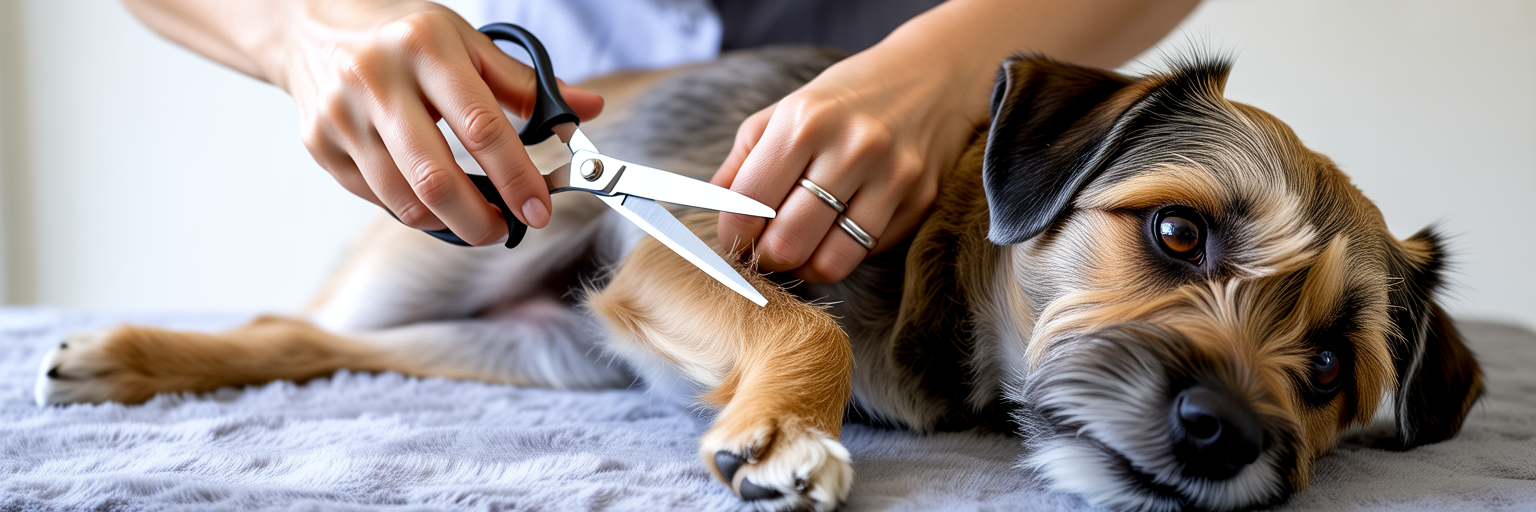
So, what does a post-surgical groom actually look like? It is a modified process focused on safety and comfort, using specific techniques to avoid stressing your dog or their incision. A professional will adapt their entire workflow to your pet’s needs.
Instead of a full bath, they may use a waterless shampoo or a warm, damp cloth to clean the coat, especially near sensitive areas. Any trimming will be done with extreme care. You will not see clippers used anywhere near the wound. Instead, a groomer will opt for rounded-tip safety scissors to carefully snip away any matted fur that could pull on the skin.
Drying is another area of adjustment. Loud, high-velocity dryers are off the table. The groomer will use a gentle, low-heat hand-dryer or even towel-dry the coat to minimise noise and air pressure. Throughout the process, handling and support are paramount. They may use soft towels or cushions to help your dog maintain a comfortable position, ensuring no pressure is placed on the surgical site.
Product selection is also crucial. A professional will use only hypoallergenic, unscented shampoos and conditioners to prevent skin irritation. This detailed, careful approach is what gentle dog grooming for recovery looks like in practice, demystifying the process and showing the level of care your dog will receive.
Post-Grooming Care and Monitoring at Home
The care does not end when you pick your dog up from the salon. Your first priority should be to bring them straight home to a quiet, comfortable space where they can rest and decompress. Avoid trips to the park or visits from friends. Let them settle in peacefully.
Once your dog is resting, perform a simple post-groom inspection. This gives you peace of mind and helps you catch any potential issues early. Gently check the following:
- The incision area for any new redness, swelling, or discharge.
- Your dog’s overall behaviour for any signs of pain, such as whimpering, lethargy, or reluctance to move.
- The surrounding skin for any signs of irritation from products.
To maintain the benefits of the groom, you can perform gentle daily brushing on areas far away from the wound. This helps prevent new mats from forming as the coat grows back. It is also important to know who to call if you notice a problem. For minor skin irritation, contact the groomer to ask what products were used. For any signs of infection, significant pain, or distress, your first and only call should be to your veterinarian. This partnership ensures proper dog coat care after an operation continues seamlessly at home.
Knowing When At-Home Care is the Better Option
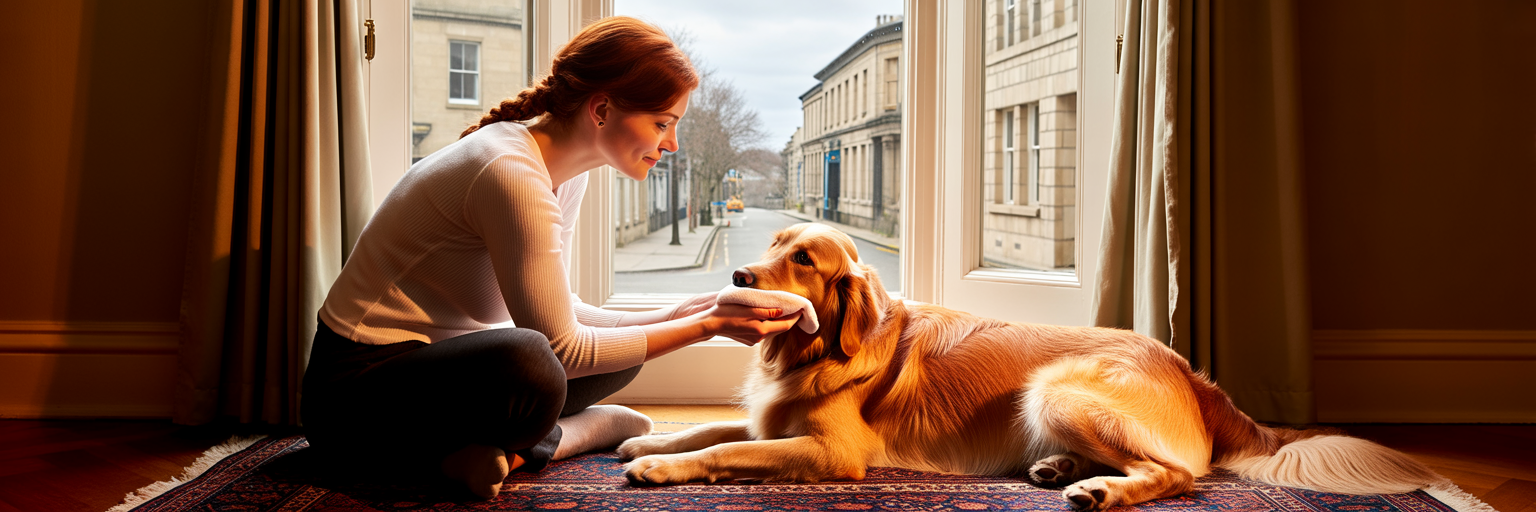
While a professional groomer offers invaluable expertise, it is important to recognise that it is not always the best immediate choice for every dog. For very minor grooming needs or for dogs suffering from extreme anxiety after surgery, a trip to the salon might add unnecessary stress.
In these situations, simple at-home care might be the better option for a short period. You can use pet-safe grooming wipes for spot cleaning around the face and paws. A soft brush or comb can be used to gently work through accessible areas of the coat, far from any incisions, for just a few minutes each day.
However, it is crucial to understand the limitations of at-home care. This is for basic maintenance only. If you notice any matting that you cannot easily brush out, or if your dog shows any signs of discomfort during your attempts, it is time to stop. Your dog’s welfare is the absolute priority. Acknowledging when to step back and seek professional help is just as important as knowing when to provide care yourself.