
How to Find Dog Groomers in Dundee Specialising in Double Coated Breeds
The Unique Needs of a Double-Coated Dog
Anyone who has seen a German Shepherd striding through Baxter Park or a Collie enjoying a walk along the River Tay has admired their magnificent, thick coats. These coats are not just for show; they are a sophisticated biological system that requires specialised care. Understanding the 'why' behind their structure is the first step toward providing the right kind of maintenance, and it highlights why proper double-coated breed grooming is not a luxury, but a necessity.
Think of a double coat like a well-built house. It has two distinct layers. The undercoat is a dense, soft layer of fur, much like a home's insulation. It traps air to keep the dog warm, which is essential for a pet enjoying a crisp Dundee winter. The outer layer consists of longer, coarser guard hairs that act like siding, repelling water, dirt, and protecting the skin from the sun's rays. This dual-layer system is a marvel of natural engineering.
A common misconception is that a thick coat causes a dog to overheat in the summer. In reality, the opposite is true. The undercoat that provides warmth in winter also traps a layer of cool air against the skin during warmer months, helping the dog regulate its temperature. This is why a well-maintained double coat is a year-round asset. As experts at the American Kennel Club describe, this coat is a natural defence system that protects against both heat and cold.
The seasonal shedding, often called a 'coat blow', is another misunderstood process. In spring and autumn, these dogs shed their undercoat to prepare for the coming season. This is a healthy, natural cycle that should be managed, not stopped. Attempting to prevent it is futile and can interfere with the coat's function. The goal is to help the old coat come out efficiently to make way for the new.
This brings us to the most critical point: shaving a double-coated dog is incredibly risky. It can cause permanent damage to the hair follicles, leading to improper regrowth where the soft undercoat grows back faster than the protective guard hairs. This ruins the coat's texture and its insulating properties. Furthermore, without the protection of the guard hairs, the dog's skin becomes vulnerable to sunburn, insect bites, and other skin problems. Shaving removes their natural defence system, creating problems rather than solving them.
Key Services for Double-Coat Maintenance
Now that we understand the intricate structure of a double coat, we can identify the specific professional services needed to maintain it. It’s not about a simple bath and brush. A groomer who specialises in these breeds offers a targeted approach designed to support the coat's natural function. Knowing what to look for on a service menu is key to finding the right care.
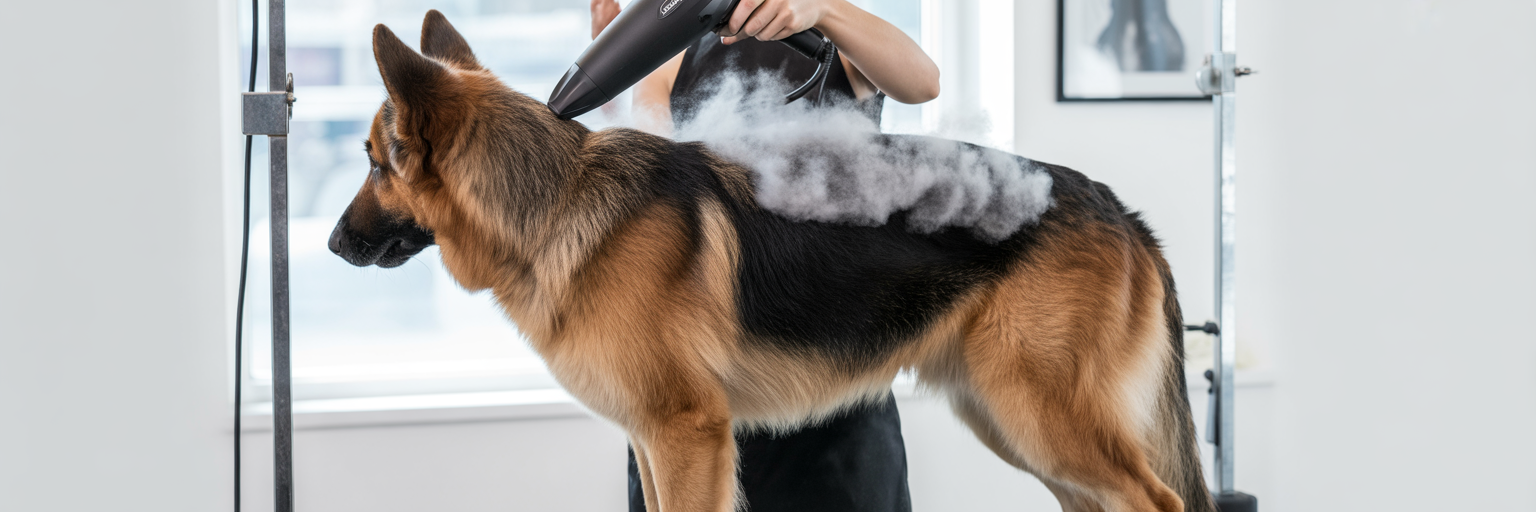
The cornerstone of this care is a professional de-shedding treatment Dundee. This is a multi-step process that goes far beyond what can be achieved at home. It typically begins with special shampoos and conditioners that help loosen the dead undercoat from the hair follicles. This is followed by a high-velocity drying, which uses powerful air to push out the loose fur. Finally, the groomer uses specific tools to manually remove any remaining dead hair. A comprehensive dog de-shedding treatment is designed to be thorough and effective.
Proper bathing and drying are also critical for preventing skin issues like hot spots. The dense undercoat can trap moisture against the skin for hours if not dried completely, creating a warm, damp environment where bacteria can thrive. A professional's high-velocity dryer is essential because it gets the coat dry right down to the skin, a step that is nearly impossible with a standard home hairdryer.
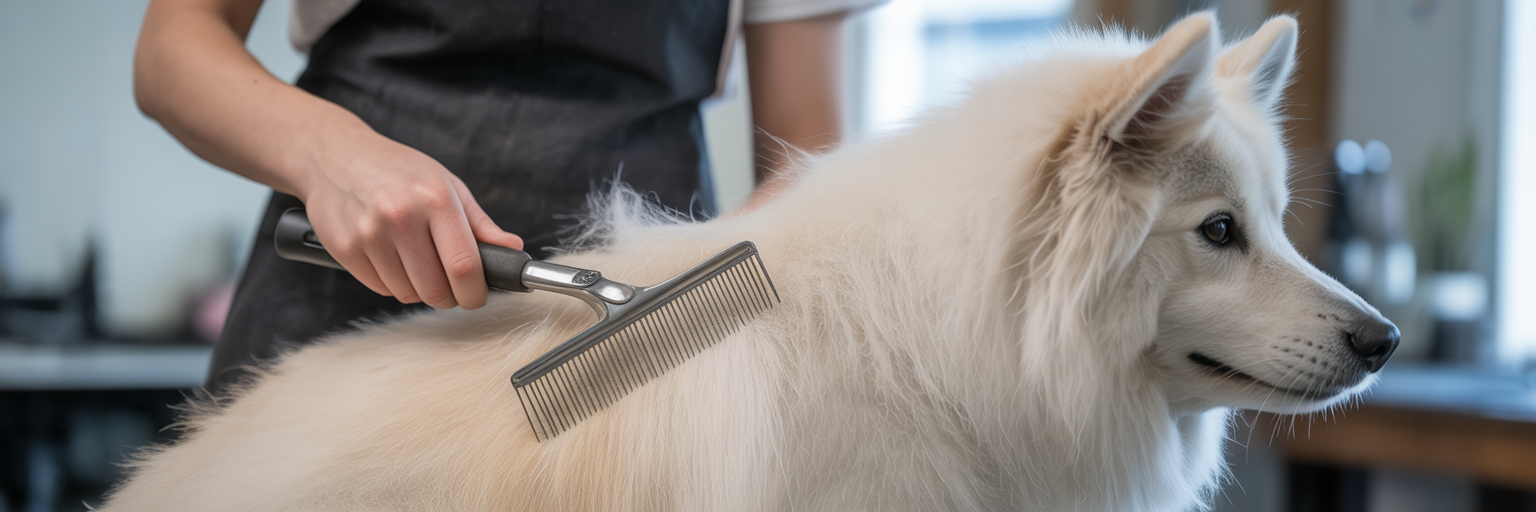
You may also see services like undercoat raking and carding. These are skilled manual techniques that a groomer uses to thin out the dead undercoat. By carefully removing the shed fur, they improve airflow to the skin and lighten the dog's coat without damaging the protective top layer of guard hairs. This is a precise process that requires a gentle hand and knowledge of coat types, not just vigorous brushing.
It is also important to understand the difference between necessary trimming and harmful clipping. A specialist groomer will know that light, functional trimming around the paws, ears, or sanitary areas can be beneficial for hygiene and comfort. This is completely different from an all-over shave, which should only ever be considered a last resort for severe, painful matting and ideally on the advice of a veterinarian.
| Factor | Necessary Trimming (The 'Do') | Harmful Shaving (The 'Don't') |
|---|---|---|
| Purpose | Hygiene and comfort (e.g., paws, sanitary areas) | Mistakenly used to 'cool' the dog or stop shedding |
| Areas Targeted | Localized areas like feet, ears, or tail feathers | The entire body coat |
| Impact on Coat | Maintains the integrity of the double-coat system | Damages guard hairs and can ruin natural insulation |
| Long-Term Risks | Minimal; coat grows back normally | Permanent coat damage, patchy regrowth, sunburn, skin issues |
Locating a Specialist Groomer in Dundee
Finding a groomer with the right expertise for your double-coated dog can feel like a challenge, but a focused approach makes all the difference. Instead of casting a wide, generic net, using local resources and specific search tactics will help you connect with the right professionals in Dundee.
The most efficient starting point is a specialised online directory. To simplify your search, a dedicated directory like Dog Grooming Dundee provides a curated list of trusted professionals, allowing you to find the right match for your pet's needs in one place. Platforms like this are more than just a search engine; they are a pre-vetted resource. You can search for dog groomers Dundee by your postal code, whether you are in DD2 or DD4, and filter results based on specific services like de-shedding treatments.
Community recommendations are also invaluable. Tap into the local dog-owning community for firsthand experiences. Ask for referrals when you are at popular dog-walking spots like Broughty Ferry Beach or Camperdown Country Park. People are often happy to share their positive experiences with a groomer who understands their breed. Local Dundee-based dog owner groups on social media platforms are another excellent place to ask for genuine recommendations from fellow pet owners.
When you do turn to search engines, refine your queries to get better results. Instead of a broad search to find a dog groomer Scotland, be more specific. Use phrases that include your dog's breed and the service you need, such as "groomer for German Shepherds in Dundee" or "Siberian Husky de-shedding service Dundee." This tells the search engine exactly what you are looking for and filters out less relevant options.
Finally, do not overlook your local veterinarian. Vets in Dundee often have professional relationships with reputable groomers in the area. They can provide recommendations based not just on a groomer's reputation but also on your dog's specific health needs, skin condition, and temperament. A vet's referral can provide an extra layer of confidence when choosing a new groomer.
How to Vet a Potential Groomer's Expertise
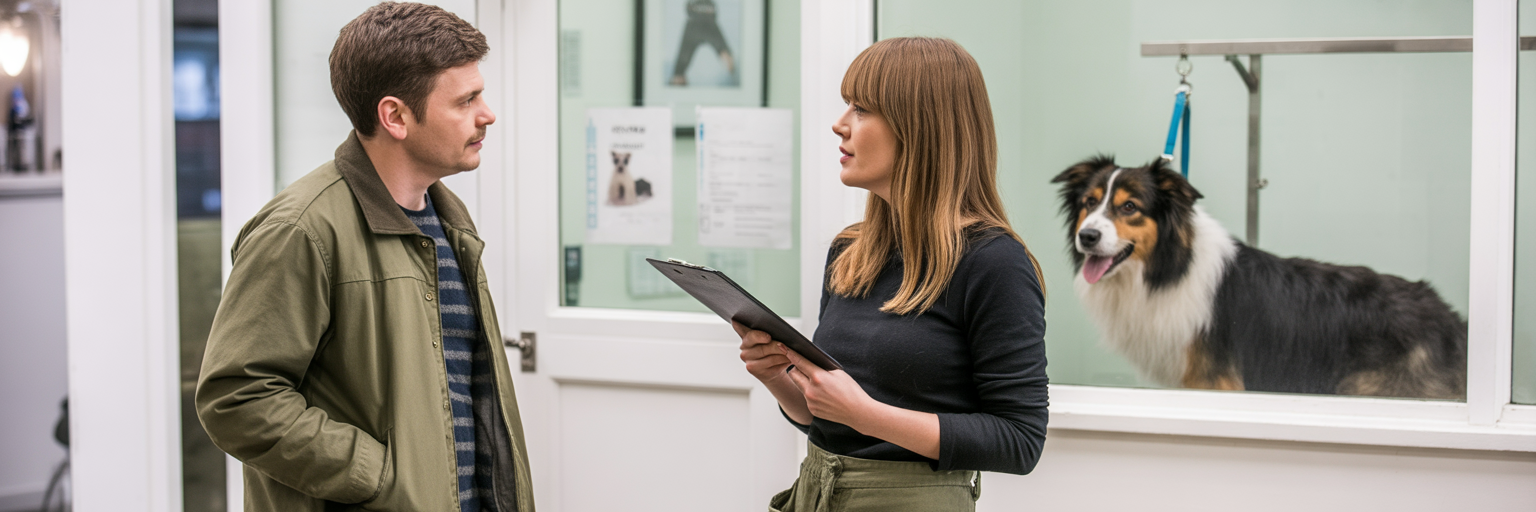
Once you have a shortlist of potential groomers, the next step is to verify their expertise. This is about moving beyond their service menu and marketing claims to truly understand their approach to double-coated breeds. A few direct questions can reveal a great deal about a groomer's knowledge and philosophy. Feeling empowered to conduct this two-way interview is crucial for your dog's well-being.
A professional groomer will welcome an initial consultation. This is a sign that they care about getting it right. They will want to meet your dog, feel the condition of its coat, and discuss your goals and concerns. This is your opportunity to ask critical questions. Be prepared with a list to ensure you cover all your bases.
Here are some essential questions to ask:
- What is your experience with my dog's specific breed? For example, what is your approach to Husky grooming Dundee?
- Can you walk me through your de-shedding process from start to finish?
- Under what circumstances, if any, would you consider shaving a double-coated dog?
- What specific tools do you use for undercoat removal?
- How do you ensure the dense undercoat is completely dry after a bath?
Listen carefully to their answers. A knowledgeable specialist will talk confidently about protecting the guard coat while removing the dead undercoat. They will mention specific tools like undercoat rakes and high-velocity dryers. Most importantly, they will have a firm and clear stance against shaving for convenience, explaining the risks involved. Their answers should give you confidence, not leave you with more questions. This vetting process is a crucial part of making an informed decision, and for more general advice, our guide on choosing the right dog groomer in Dundee offers additional valuable tips.
Just as important as knowing what to look for is knowing what to avoid. There are several red flags that should make you reconsider a groomer:
- They immediately suggest a shave to manage shedding or "cool the dog down."
- They are unable to explain their de-shedding process in detail or seem vague about the tools they use.
- They lack specific, hands-on experience with double-coated breeds.
- Online reviews mention that other owners' dogs were shaved unexpectedly or without clear consent.
The Professional's Toolkit for Double Coats
The difference between an adequate groom and an exceptional one often comes down to the equipment. A professional who specialises in double-coated breeds invests in a specific toolkit designed to manage dense fur safely and effectively. Understanding these tools helps you recognise a well-equipped salon and appreciate why their services deliver results that are difficult to replicate at home.
The foundation of their toolkit consists of several essential hand tools, each with a specific purpose. A groomer's ability to use them correctly is a mark of their skill.
- Undercoat Rake: This tool looks like a small rake and is designed to penetrate the top coat to reach the dense undercoat. It efficiently removes large volumes of loose, dead fur without cutting or damaging the healthy guard hairs.
- Slicker Brush: A slicker brush has fine, short wires packed closely together. It is used to work through surface tangles, remove loose fur, and fluff the coat after the main de-shedding work is done.
- Metal 'Greyhound' Comb: This is the ultimate finishing and inspection tool. A groomer will run this comb through the coat right down to the skin to check for any remaining knots or tangles, ensuring the entire coat is clear.
Perhaps the most critical piece of equipment for double-coated breed grooming is the high-velocity dryer. This is not your average hairdryer. It does not rely on heat; it works by blasting air at a high speed. This powerful force physically pushes water and loose fur out of the dense undercoat. It is the only way to ensure the dog's skin gets completely dry, preventing the moisture buildup that can lead to hot spots and other skin infections. The sheer volume of shed fur that a high-velocity dryer can remove is always impressive.
Specialised bathing products also play a vital role. De-shedding shampoos and conditioners are formulated to do more than just clean. They contain ingredients that help the hair follicles release the dead undercoat, making the entire brushing and drying process more efficient and effective. This pre-treatment step is what allows the groomer to remove so much fur with less stress on the dog's skin and coat.
While regular brushing at home is important, it is the power and specificity of this professional equipment that makes a true difference. The combination of targeted products, skilled hand-tool use, and the force of a high-velocity dryer provides a deep clean and de-shedding that is simply unattainable with at-home tools.
Home Care to Maintain a Healthy Coat Between Grooms
Professional grooming is essential, but what you do at home between appointments is just as important for keeping your double-coated dog's fur in optimal condition. A consistent maintenance routine will prevent matting, reduce the amount of fur in your home, and make professional grooming sessions easier and more effective. This is your role in the partnership for a healthy coat.
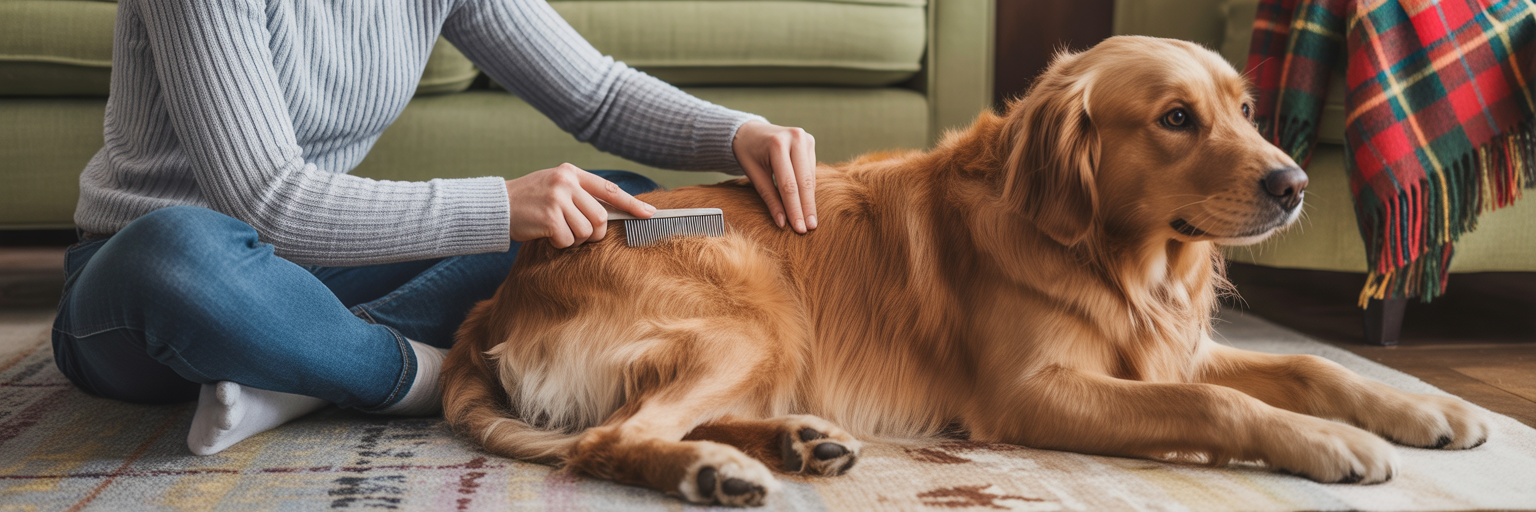
The most effective at-home brushing technique is called 'line brushing'. This method ensures you are brushing the entire coat, right down to the skin, rather than just skimming over the top layer. It is the best way to prevent the undercoat from becoming compacted and forming mats.
- Have your dog lie comfortably on its side. This gives you easy access to their body.
- Start at a lower section, like a rear leg. With your free hand, create a horizontal part in the fur so you can see the skin.
- Use your brush to work on the hair below the part line, brushing down and away from the skin.
- Once that small section is clear, move the part line up an inch or two and repeat the process.
- Continue this method, moving up the dog's body section by section until the entire side is brushed.
- Finally, use your metal comb to check your work. It should glide smoothly from the skin to the tip of the hair. If it snags, you have found a tangle that needs more attention.
For this routine, you do not need a vast array of tools. Investing in two high-quality items is sufficient for effective weekly maintenance: a good slicker brush and a sturdy metal comb. The slicker brush is great for general brushing and removing loose fur, while the comb is your inspection tool for finding hidden knots. Consistent home care is vital, and for those times when a deeper clean is needed, a professional dog brushing service can help reset the coat and make your own efforts more effective.
Coat health also starts from the inside. Nutrition plays a significant role in the strength and condition of your dog's fur. Diets rich in omega-3 and omega-6 fatty acids help support healthy skin and a strong, resilient coat. A well-nourished coat is often easier to maintain and may shed more manageably.
Finally, establish a consistent schedule for professional grooming. For a breed like a Golden Retriever, a professional de-shedding treatment every 8 to 12 weeks is a good baseline. For a dog that benefits from a routine like Golden Retriever grooming Dundee, you may need to increase the frequency during the heavy shedding seasons of spring and autumn. Regular appointments will keep the undercoat from becoming impacted and ensure your dog stays comfortable and healthy year-round.