
How to Find a Dundee Groomer Specialising in De Shedding
Understanding Your Double-Coated Dog’s Unique Grooming Needs
If you own a double-coated dog, you are likely familiar with the tumbleweeds of fur that drift across your floors. This isn't just a cleaning nuisance, it's a biological reality tied to your dog's specific coat type. A double coat consists of two distinct layers: a soft, dense undercoat that provides insulation against both cold and heat, and a tougher topcoat of guard hairs that repels water and dirt. Many popular breeds seen around Dundee and across Scotland, like Golden Retrievers, German Shepherds, Border Collies, and Shetland Sheepdogs, have this unique coat structure.
These breeds experience a natural shedding cycle that intensifies twice a year, a process often called a 'coat blow'. During spring and autumn, they shed their undercoat to prepare for the coming season. While this is a healthy process, it can become a problem if the shedding fur isn't removed efficiently. The loose undercoat can become trapped beneath the topcoat, creating a dense, compacted layer. This is where the real issues begin.
An impacted undercoat prevents air from circulating to the skin, trapping moisture and heat. This creates the perfect environment for painful mats to form, which pull on the skin and can lead to serious discomfort. Worse, it can cause skin irritations like hot spots, which are acute, moist patches of inflamed skin that can become infected. Proper double-coated breed grooming is not just about appearance, it is fundamental to your dog's health and comfort.
Many owners believe regular brushing at home is enough, and while it is an important part of maintenance, it often falls short. We can all picture that moment, brushing our dog and pulling out what seems like a lot of fur, only to find the shedding continues unabated. This is because most at-home brushes, like slickers, primarily glide over the topcoat. They remove some loose fur but fail to penetrate the dense undercoat where the real problem lies. Without the right tools and technique, the impacted fur remains, setting the stage for the issues mentioned earlier. This is why professional intervention is often not a luxury, but a necessity.
The Professional De-Shedding Process Explained
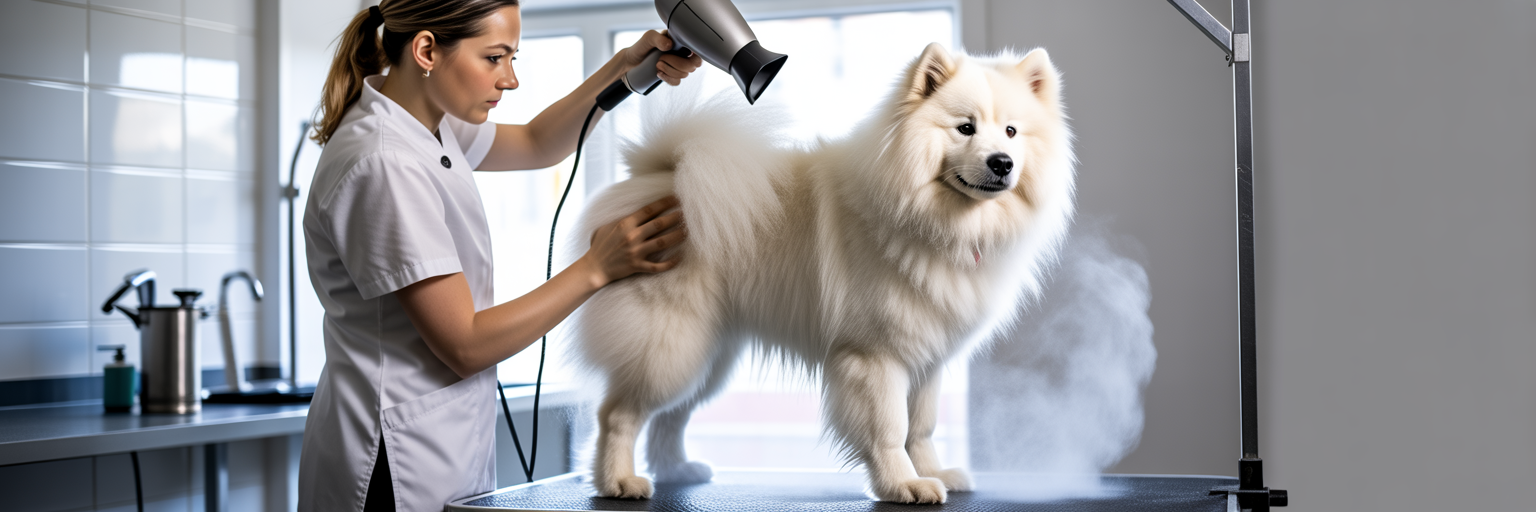
Now that we understand why a double coat needs special attention, let's look at how a professional groomer tackles the issue. A professional de-shedding treatment Dundee is a systematic process that goes far beyond a simple bath and brush. It involves specialised tools and techniques that most owners do not have at home. The goal is not just to remove loose hair, but to clear the entire undercoat safely and thoroughly.
Many specialist dog groomers Scotland begin the process before the dog even gets wet. They use a high-velocity dryer on the dry coat to blow out a significant amount of the dead, loose undercoat. This step alone removes more fur than an hour of at-home brushing might. After this initial blowout, the groomer moves on to meticulous brushing. They employ a technique called line brushing or line combing, where they part the hair in small sections and brush the undercoat out from the skin, layer by layer. This systematic approach ensures no part of the undercoat is missed, unlike the superficial brushing that often happens at home.
The bath itself is also specialised. Groomers use de-shedding shampoos and conditioners formulated to loosen the hair follicles and moisturise the skin. This not only helps release more trapped fur but also makes the process more comfortable for the dog. After the bath, another round with the high-velocity dryer helps to separate and remove any remaining stubborn hairs.
Perhaps the most important part of a professional's expertise is knowing what not to do. A common but damaging misconception is that shaving a double-coated dog will solve shedding. This is incorrect and harmful. Shaving a double coat ruins its natural structure. The soft undercoat grows back faster than the guard hairs of the topcoat, which can be permanently damaged. This destroys the dog's ability to regulate its temperature, leaving it vulnerable to sunburn in summer and cold in winter. A knowledgeable groomer will always refuse to shave a double-coated breed for shedding control, explaining the long-term damage it causes.
| Aspect | Typical At-Home Brushing | Professional De-Shedding Treatment |
|---|---|---|
| Primary Tools | Slicker brush, basic comb | High-velocity dryer, undercoat rakes, line combs, specialised shampoos |
| Technique Focus | Often targets the topcoat, removing surface-level loose fur | Systematically clears the dense undercoat from the skin outwards |
| Effectiveness on Impacted Coat | Low; may not penetrate deep matting or compacted undercoat | High; designed to break up and remove impacted fur safely |
| Skin Health | Can cause 'brush burn' if done incorrectly; may miss underlying skin issues | Allows groomer to inspect skin, improves air circulation, uses moisturising products |
| Duration of Results | Short-term; shedding may seem to resume quickly | Long-lasting; significantly reduces shedding for several weeks |
Using Digital Tools to Locate Specialists in Dundee
Knowing you need a specialist is one thing, but how do you actually find a dog groomer in Dundee with the right expertise? Fortunately, online tools have made this process much more straightforward. Our directory, Dog Grooming Dundee, was built specifically to connect local owners with trusted professionals.
Here is a simple, step-by-step guide to finding a de-shedding expert using our platform:
- Navigate to our homepage. The layout is designed for easy searching.
- Use the search bar. Simply type in "de-shedding" to see a list of groomers who offer this specific service. This immediately narrows your search to relevant specialists.
- Filter by your postcode. To find the most convenient option, you can filter the results by your Dundee postcode. Whether you are in DD1, DD2, DD3, DD4, or DD5, you can find a groomer close to home. For example, a search in the DD3 area might bring up groomers like La Pooch or Dapper Dogs, while someone in DD5 could find Pooch Perfect.
Once you have a shortlist, it is a good idea to cross-reference your findings. A quick search on Google Maps for "de-shedding dog groomers Dundee" can provide additional reviews and help you visualise their exact location. This helps you gauge travel time and read a wider range of customer experiences.
When you click on a groomer's profile, either on our directory or their own website, look for key indicators of expertise. A true specialist will not just list "grooming" as a service. Look for explicit mentions of "de-shedding treatments" or services for "double-coated breeds". A gallery with before-and-after photos of breeds like Huskies, Collies, or Retrievers is an excellent sign. It shows they have hands-on experience and are proud of their results. When you see a groomer detailing their services, you can explore what a specialist dog de-shedding treatment entails to better understand the value they provide. This level of detail demonstrates a deep understanding of coat care, separating the experts from the generalists.
How to Vet and Select the Right Groomer
After creating a shortlist of potential groomers, the next step is to vet them. This moves beyond online research and into direct communication. Making a confident choice comes down to asking the right questions and knowing what to look for. Think of this as an interview, you are hiring someone for an important job.
When you call or visit, have a list of questions ready. This shows you are an informed owner and helps you compare dog groomers Dundee effectively. Here are some crucial questions to ask:
- What is your experience with [your dog's specific breed]?
- Can you describe your de-shedding process from start to finish?
- What specific tools and products do you use for double coats?
- What is your policy on shaving double-coated breeds? A groomer who immediately advises against it is a major green flag. If they suggest it as an easy fix, that is a significant red flag.
Beyond their technical skills, assess their philosophy on animal welfare. A great groomer prioritises the dog's comfort. They should speak knowledgeably about canine body language and have a clear plan for handling anxious or nervous dogs. Do they talk about giving dogs breaks? Do they use positive reinforcement? This compassionate approach is just as important as their grooming technique.
Online reviews can also offer deeper insights. Look past the simple star ratings and read the comments. Are other owners of double-coated breeds happy with the results? Look for reviews that mention how the groomer handled a large or boisterous dog, the condition of the coat after the groom, and how long the de-shedding results lasted. Specifics are far more valuable than a generic "great service" comment. Finally, if possible, ask for a brief look at the salon. A clean, secure, and well-organised environment is a non-negotiable sign of professionalism. You want to feel confident that your dog will be safe and well-cared for.
| Factor | Green Flag (Signs of a Great Groomer) | Red Flag (Reasons for Caution) |
|---|---|---|
| Knowledge | Confidently explains their de-shedding process and why they don't shave double coats. | Vague answers; suggests shaving as an 'easy' solution for shedding. |
| Experience | Shows before-and-after photos of your breed or similar double-coated breeds. | Has no specific examples or seems unfamiliar with your breed's needs. |
| Facility | Clean, secure, well-ventilated salon. Calm atmosphere. | Dirty, cluttered, or chaotic environment. Overpowering chemical smells. |
| Communication | Asks detailed questions about your dog's health, temperament, and history. | Rushes the consultation; seems uninterested in your dog's specific needs. |
| Animal Handling | Discusses using positive reinforcement and allowing breaks for anxious dogs. | Dismisses concerns about anxiety or mentions using force or muzzles as a first resort. |
Leveraging Dundee Community and Veterinary Advice
While digital tools are powerful, some of the most trusted recommendations come from your local community. Tapping into the network of dog owners and professionals in Dundee can provide you with honest, real-world feedback that you will not find anywhere else. This approach complements your online research by adding a layer of human experience.
A great place to start is by joining Dundee-specific dog owner groups on Facebook or other local online forums. Instead of posting a generic request, be specific to get the best results. For example, you could ask: "Looking for recommendations for a groomer in Dundee who is excellent with de-shedding German Shepherds. Who have you had a great experience with?" This level of detail helps others provide targeted and genuinely useful suggestions.
Your local veterinarian is another invaluable resource. Vets are authorities on animal health and often have professional relationships with reputable local groomers. They can recommend someone they trust, especially if your dog has sensitive skin, allergies, or anxiety that requires special handling. Do not hesitate to ask for their opinion during your next check-up.
Broaden your search to other dog-centric professionals in the area. Dog trainers, walkers, and pet sitters in Dundee work with a wide variety of dogs and see the results of many different groomers. They often have unbiased, firsthand knowledge of who does excellent work. Finally, never underestimate the power of a simple conversation. When you are out walking your dog at popular Dundee spots like Camperdown Country Park, Broughty Ferry Beach, or along the River Tay, keep an eye out for other well-groomed double-coated dogs. A friendly compliment followed by a question like, "Your dog's coat looks fantastic, may I ask who your groomer is?" can often lead to the best referrals. These personal recommendations are built on trust and shared experience, which is why making an informed decision is so important, as we discuss in our guide on choosing the right dog groomer in Dundee.
Preparing for the Appointment and Maintaining the Coat
Once you have found and booked a specialist groomer, a little preparation can help ensure the appointment goes smoothly for everyone. This final step closes the loop, turning you into an active partner in your dog's coat care. A successful grooming experience is a collaboration between you and the professional.
Before the appointment, make sure you do the following:
- Ensure your dog has been walked. A dog that has had a chance to exercise and relieve itself will be much calmer on the grooming table.
- Communicate clearly with the groomer. Be sure to mention any health issues, skin sensitivities, allergies, or behavioural quirks your dog has. The more information the groomer has, the better they can tailor the experience to your dog's needs.
When you pick your dog up, expect a brief handover from the groomer. A good professional will give you a quick report on how the session went and the condition of your dog's skin and coat. They might point out a small skin irritation they noticed or recommend a specific brushing technique. This feedback is valuable for your dog's ongoing care.
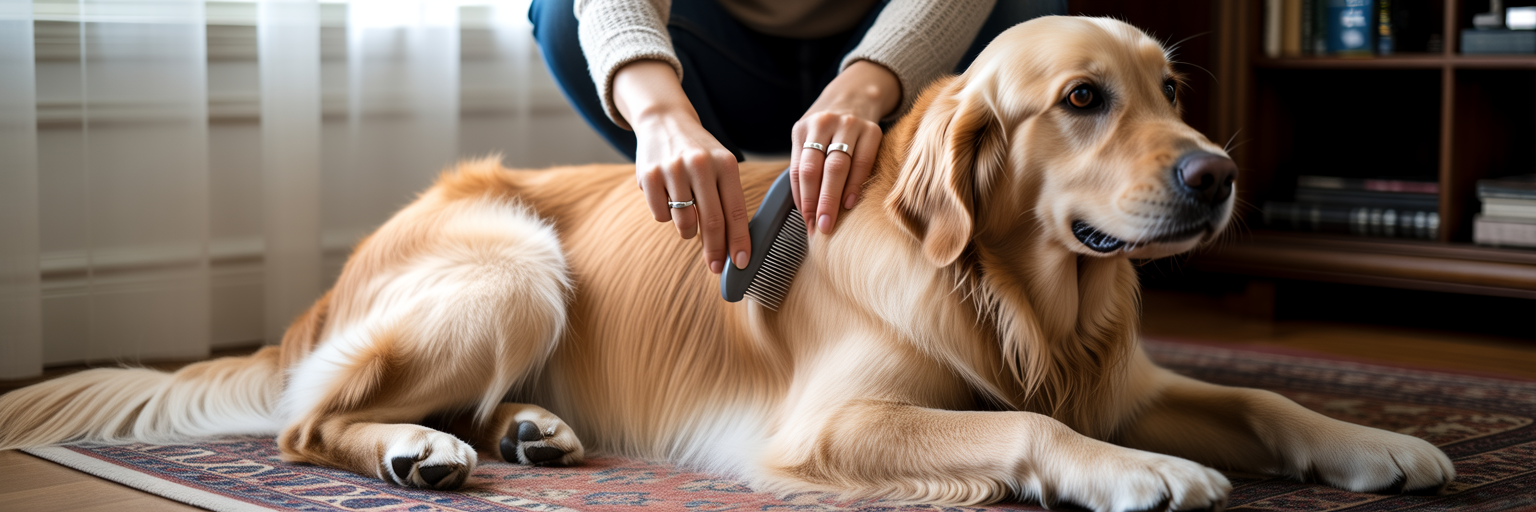
To prolong the benefits of the professional de-shed, establish a simple at-home maintenance routine. This does not have to be a monumental task. Just 10 to 15 minutes of brushing, two to three times a week, can make a huge difference. Ask your groomer to recommend an undercoat rake and a slicker brush suitable for your dog's coat. This regular maintenance will prevent new mats from forming and make the next professional appointment even more effective. Ultimately, professional de-shedding should be seen not as a one-time fix, but as a vital part of a year-round coat care strategy. Regular appointments, especially during the heavy shedding seasons, are an investment in your dog's long-term health, comfort, and happiness.