
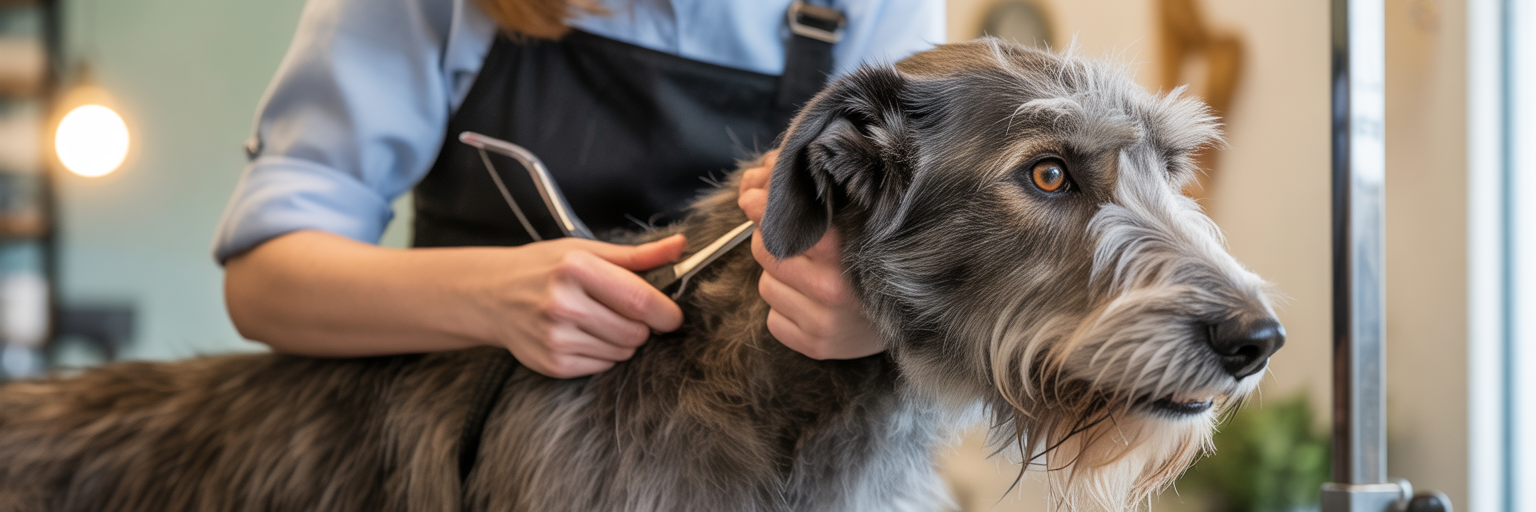
How to Find a Dundee Groomer for Your Rare Breed Dog
From the ancient Scottish Deerhound to the unique Puli, the world of dog breeds is vast and varied. This diversity brings highly specific care needs, particularly when it comes to grooming.
Understanding the Unique Grooming Needs of Rare Breeds
Owning a rare or exotic breed is a unique experience, but it comes with responsibilities that go beyond standard pet care. Their distinct physical traits often mean that a one-size-fits-all grooming approach is not just ineffective, but potentially harmful. Understanding why your dog needs a specialist is the first step toward ensuring their health and comfort.
Beyond the Standard Cut: Why Specialisation Matters
Many dog owners are familiar with the standard grooming appointment: a bath, a brush, and a simple clip. For common breeds, this is often sufficient. However, for a rare breed, a generic "shave down" can ruin a coat for years or even cause skin problems. A specialist groomer understands the history and purpose behind a breed's coat. They know that a Bergamasco’s flocks are a natural protection, not matted fur, and that a wire-haired breed’s coat needs hand-stripping to maintain its texture and colour, not clipping.
This specialised knowledge protects the dog's physical integrity. It’s the difference between simply making a dog look tidy and actively preserving the characteristics that make the breed unique. A groomer without this background might unintentionally cause discomfort or damage, turning a routine groom into a stressful and negative experience for your dog.
A Spectrum of Demanding Coat Types
The challenges of grooming for unique dog coats become clear when you look at specific examples. Consider the Puli, whose coat naturally forms into cords. These cords need to be carefully separated by hand down to the skin to prevent them from forming a single, painful mat. This is a meticulous process that requires patience and a specific technique, not a pair of clippers.
Then there is the Xoloitzcuintli, or Mexican Hairless Dog. While mostly hairless, their skin requires dedicated care to prevent sunburn, dryness, and blackheads. The sparse tufts of hair they do have are delicate and need gentle handling. Similarly, Nordic breeds like the Siberian Husky or Alaskan Malamute possess a thick double coat designed for harsh climates. Improperly shaving this coat can damage the follicles, leading to poor regrowth and a loss of its insulating properties. Each of these coats demands distinct tools, products, and an expert hand.
Skin, Health, and Temperament Considerations
A specialist’s expertise extends beneath the fur. Many rare breeds are predisposed to specific health issues that a knowledgeable groomer can spot. For instance, some breeds are prone to skin allergies, oil imbalances, or follicular cysts that a generalist might miss. A groomer who understands your breed’s vulnerabilities can be a crucial partner in monitoring their health, often noticing subtle changes before they become serious problems.
Temperament is another critical factor. Certain breeds were developed for independent work and may be naturally reserved or anxious in new situations. A groomer accustomed to high-volume, fast-paced work may not have the patience or understanding to handle a sensitive dog. A specialist, however, knows how to build trust and use low-stress handling techniques, creating a calm environment where your dog feels safe.
Key Traits of a Groomer Skilled in Exotic Breed Care
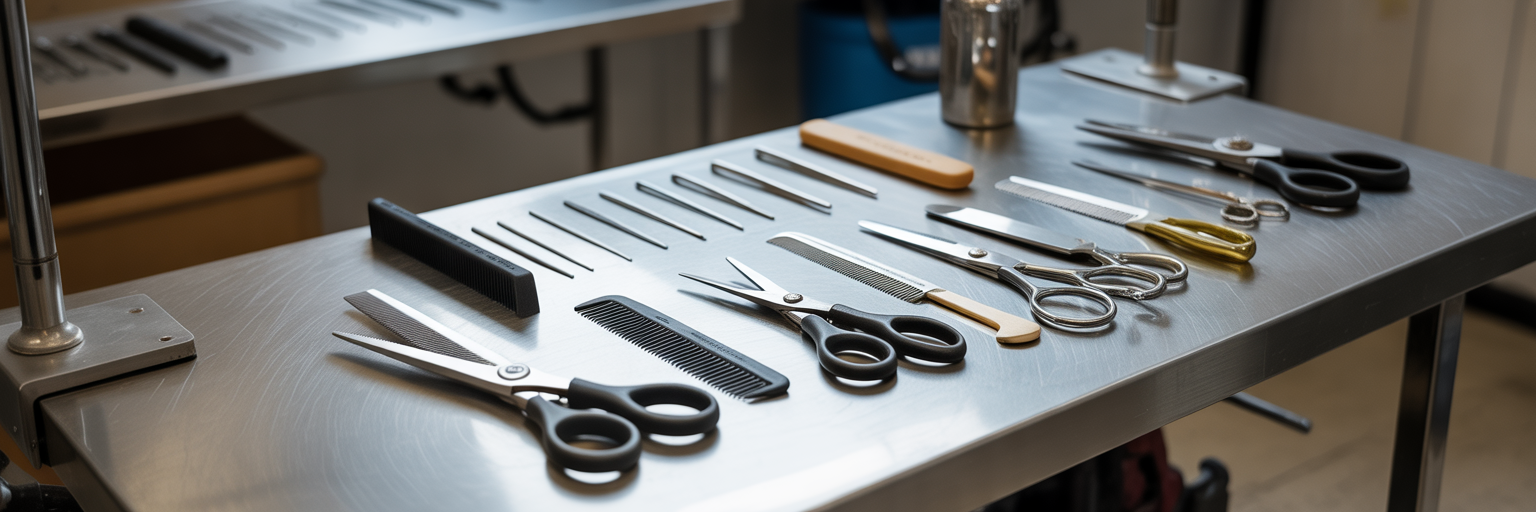
Now that we have established why a specialist is necessary, the next step is identifying one. A true professional stands out through their knowledge, experience, and approach. When searching for a specialist dog groomer in Dundee, you are looking for a set of qualities that go far beyond a basic ability to use clippers. Here are the key traits to watch for.
Demonstrable Breed-Specific Knowledge
A genuine specialist will be able to discuss your dog’s grooming needs in the context of their breed’s history and function. Ask them about the purpose of the coat. A good groomer can explain why a Portuguese Water Dog’s coat is clipped in a specific way to aid swimming or why a terrier’s wiry coat was developed to protect it from thorns and undergrowth. This depth of knowledge shows they understand the ‘why’ behind their techniques, not just the ‘how’.
A Portfolio of Diverse and Complex Work
Words are one thing, but visual proof is essential. Ask to see a portfolio of their work. Look for examples of breeds with challenging coats, not just popular doodles and spaniels. Seeing photos of well-maintained corded coats, expertly hand-stripped terriers, or perfectly styled poodles demonstrates adaptability and a high level of technical skill. It proves they are comfortable working with more than just the everyday client.
Advanced Certifications and Continuous Education
The grooming industry is always advancing. A dedicated professional invests in their education beyond the initial qualification. Look for certifications in advanced techniques like hand-stripping, creative styling, or Asian fusion grooming. If you own a wire-haired breed, for example, finding a groomer proficient in hand-stripping is vital, and you can explore our detailed guide on hand stripping for wire-haired breeds to understand why. Continuous education shows a commitment to the craft and to providing the best possible care.
A Calm, Professional, and Safe Environment
Pay close attention to the salon environment during your initial visit. A specialist often prioritises quality over quantity, which means a calmer, more controlled setting. Does the groomer work on a one-to-one basis? Is the space clean and secure? A professional who values animal welfare will avoid using cage dryers, which can be dangerous and stressful, and will use humane handling techniques. The focus should be on your dog’s comfort, not on getting as many dogs through the door as possible.
| Factor | Standard Groomer | Specialist Groomer |
|---|---|---|
| Breed Knowledge | Familiar with common breeds and popular cuts. | In-depth knowledge of rare breed coat cycles, history, and specific health predispositions. |
| Tools & Techniques | Uses standard clippers, brushes, and shampoos. | Employs specialised tools like stripping knives, carding tools, and specific products for unique coat textures. |
| Consultation Process | Brief intake, focuses on desired haircut style. | Detailed consultation to discuss the dog's history, health, temperament, and long-term coat goals. |
| Handling Approach | May use standard restraints in a busy environment. | Prioritises a low-stress, often one-on-one environment with humane handling techniques. |
A Step-by-Step Guide to Locating Specialist Groomers in Dundee
Knowing what to look for is half the battle; the other half is knowing where to look. Finding the right professional requires a methodical approach. Instead of getting lost in endless online searches, follow this step-by-step guide on how to find a dog groomer who can meet your rare breed’s specific needs in the Dundee area.
Step 1: Leverage Curated Local Directories
A broad search for "dog groomers" can be overwhelming. A far more efficient starting point is a curated local directory. Platforms that focus specifically on Dundee pet grooming services have often already done some of the vetting for you. These directories allow you to filter groomers by the services they offer, such as hand-stripping or breed-specific cuts, and by their location within Dundee. This targeted approach saves you time and connects you with professionals who are more likely to have the skills you need. For a comprehensive list of vetted professionals, you can start your search for a groomer in Dundee right here.
Step 2: Analyse Groomers’ Websites and Social Media
Once you have a shortlist, it is time to do some digital reconnaissance. A groomer’s online presence is their digital storefront. Go beyond just looking at the "after" photos. Read their service descriptions carefully. Do they mention specific breeds or techniques? Look for a blog or articles where they share their expertise. A groomer who writes about the challenges of grooming a double-coated breed shows a deeper level of engagement than one who only posts cute pictures. Photo captions can also be revealing; detailed notes about the process or the dog’s specific needs indicate true passion and knowledge.
Step 3: Consult with Veterinary Professionals in Dundee
Your local veterinarian is an invaluable resource. Vets prioritise animal health and welfare above all else, and they often have firsthand knowledge of the local grooming community. Ask your vet in Dundee for a recommendation. They are likely to know which groomers are skilled at handling anxious dogs, managing skin conditions, or working with breeds that have particular health sensitivities. A recommendation from a trusted vet carries significant weight because it is based on professional standards of care.
Step 4: Tap into Breed-Specific Communities
No one understands your dog’s needs better than other owners of the same breed. Search for UK or Scotland-based online forums, Facebook groups, or breed clubs dedicated to your dog. These communities are a goldmine of honest, experience-based advice. Ask for recommendations for groomers in or near Dundee. Fellow owners will give you candid feedback on their experiences, including details about a groomer’s skill, patience, and professionalism. This peer-to-peer insight is often the most reliable you can find.
Essential Questions to Ask a Potential Groomer
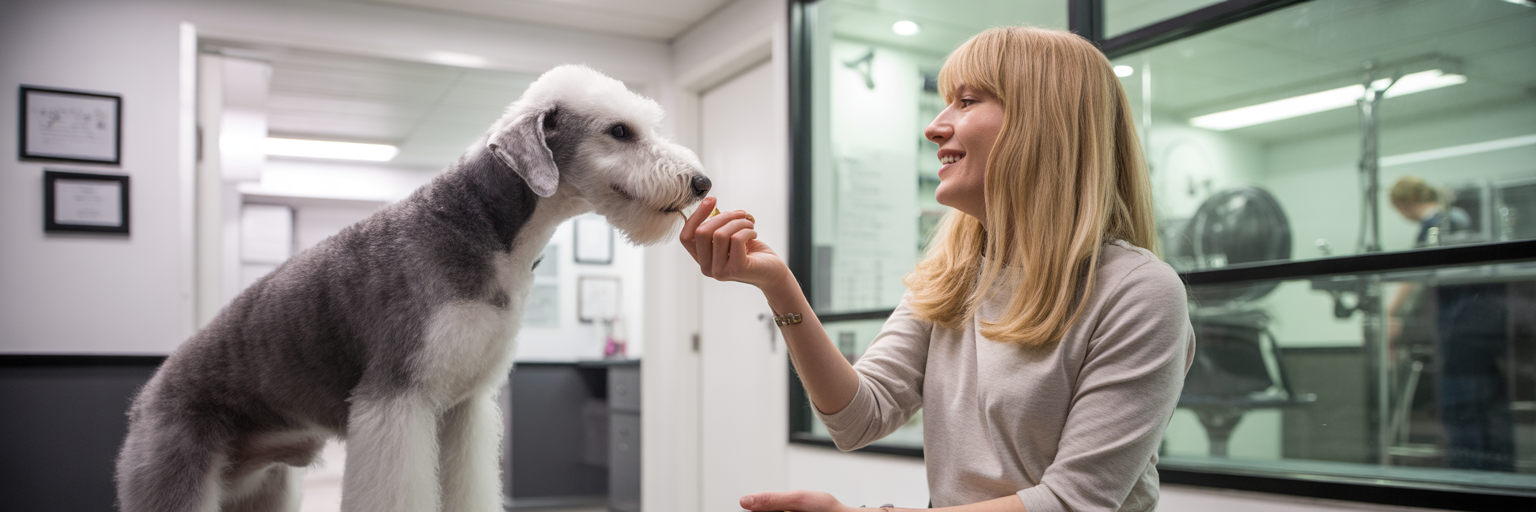
Once you have identified a potential rare breed groomer in Dundee, the next step is to initiate a conversation. A professional and confident groomer will welcome your questions and be happy to provide detailed answers. This initial discussion is your opportunity to interview them and ensure they are the right fit for your dog. Here are the essential questions to ask:
- Have you ever groomed a [Your Breed Name] before?
This is the most direct question. If the answer is yes, ask to see photos. If the answer is no, do not immediately dismiss them. A good follow-up is, "Have you worked on breeds with similar coat types or temperaments?" A groomer experienced with a Bedlington Terrier, for example, may have transferable skills for grooming a Poodle. A good groomer will be honest about their experience and explain how their skills apply. - What specific process and tools would you use for my dog’s coat?
A specialist should be able to walk you through their plan. They should mention specific tools like stripping knives, carding tools, or certain types of brushes and explain why they are appropriate for your dog's coat. A vague answer like "a good brush and a trim" is a red flag. - How do you handle nervous or anxious dogs?
This question reveals their approach to animal welfare. A positive response will focus on patience, positive reinforcement, and taking breaks. Ask if they use restraints. While some minimal, safe restraints are standard, a groomer should be able to explain how they are used humanely and only when necessary. - What is your policy on cage dryers?
This is a critical safety question. Cage dryers, where hot air is blown into an enclosed kennel, can be dangerous and have been linked to heatstroke and death. A reputable groomer will use fluff or stand dryers where the dog is monitored at all times. An absolute "no" to cage dryers is the only acceptable answer. - Can we schedule a pre-appointment consultation or a "meet and greet"?
A professional groomer should be happy to offer a brief consultation. This allows them to meet your dog in a low-pressure situation, assess their coat and temperament, and discuss your goals. It also gives your dog a chance to familiarise themselves with the person and the environment before the actual grooming session.
Asking these questions empowers you to make an informed decision. You are not just a customer; you are your dog's advocate. A groomer who respects that will earn your trust.
Preparing Your Dog for Their First Specialist Grooming Session
Finding the right groomer is a huge step, but your role does not end there. A successful grooming experience is a partnership between you, your dog, and the groomer. By preparing your dog for their appointment, you can help ensure it is a positive and low-stress event for everyone involved.
Familiarise Your Dog with Handling at Home
Many dogs are sensitive about having their paws, ears, or tail touched. You can help desensitise them at home in the weeks leading up to their appointment. Gently handle their paws, look inside their ears, and lift their tail for a few seconds each day, rewarding them with praise and a treat. This makes the groomer’s job much easier and teaches your dog that being handled is a positive experience.
Ensure Adequate Exercise Before the Appointment
We have all seen how a long walk can calm a hyperactive dog. The same principle applies to grooming. A dog that is bursting with pent-up energy will find it difficult to stand still and cooperate. A brisk walk or a vigorous play session before you head to the groomer can make a world of difference. A tired dog is a more relaxed dog, which allows the groomer to work more safely and efficiently.
Communicate Honestly and Thoroughly at Drop-Off
Your groomer is not a mind reader. Be completely transparent about your dog’s history and behaviour. Do they hate having their nails trimmed? Have they ever snapped at a brush? Do they have any lumps, bumps, or sensitive spots? This information is not a judgment on your dog; it is crucial data that helps the groomer keep them safe and comfortable. Withholding information puts both your dog and the groomer at risk.
Manage Your Own Anxiety to Keep Your Dog Calm
Dogs are incredibly perceptive and can easily pick up on our emotions. If you are feeling anxious or guilty about leaving them, your dog will sense it and become anxious too. Project confidence and calm during the handover. Keep your goodbye short and positive. A calm, matter-of-fact departure tells your dog that this is a normal, safe situation, which helps minimise their separation anxiety.
Maintaining Your Rare Breed’s Coat Between Professional Grooms
The grooming appointment is just one part of a larger coat care strategy. What you do at home between professional sessions is just as important for your dog’s health and comfort. Consistent maintenance prevents painful problems and strengthens your partnership with your groomer, ensuring every visit is for styling and upkeep, not emergency repairs.
Here are the key strategies for long-term coat care:
- Establish a Partnership with Your Groomer: Your relationship with your groomer should be a collaboration. After the first appointment, ask them for specific advice on at-home care. They can recommend the right brushes and combs for your dog’s coat and even demonstrate the correct brushing technique. This teamwork is essential for successful exotic dog grooming in Scotland and beyond.
- Create a Consistent At-Home Brushing Routine: This is the single most critical task for preventing painful mats and tangles. Depending on your breed, this might mean a quick daily brush or a more thorough weekly session. Regular brushing removes loose hair, distributes natural oils, and keeps the coat from becoming impacted, which can lead to skin infections.
- Adhere to a Professional Grooming Schedule: A rare breed groomer in Dundee will help you establish a grooming schedule based on your dog’s coat growth and specific needs. Sticking to this schedule, whether it is every six weeks or every four months, is crucial. It prevents the coat from getting out of control and avoids the need for a drastic, corrective shave-down that can ruin a breed-specific style.
- Recognise the Limits of DIY Grooming: While brushing is essential, it is important to know your limits. Attempting complex tasks like clipping, scissoring, or severe de-matting at home can easily lead to injury or damage the coat. Trust your professional groomer with the technical work. Their expertise and specialised tools are worth the investment for your dog’s safety and well-being.
To properly maintain your dog's coat according to its specific requirements, it is helpful to understand the official breed standard. For detailed information on your dog's breed, as highlighted by The Kennel Club, you can consult The Kennel Club's Breeds A to Z list, which provides authoritative guidance on coat care and characteristics.