
Grooming Your Dog for Dundee's Unpredictable Weather
Understanding Dundee's Climate and Your Dog's Coat
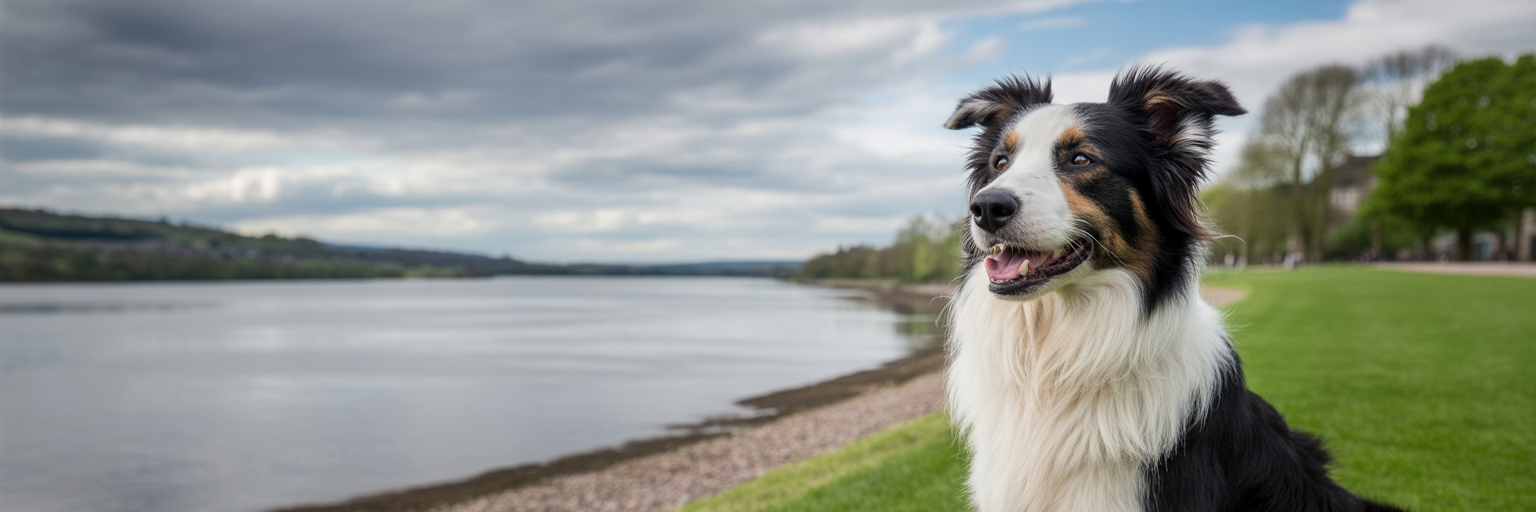
Anyone living in Dundee knows the city’s weather has a mind of its own. The phrase ‘four seasons in one day’ isn’t just a saying here; it’s a reality shaped by the persistent dampness and biting winds coming off the River Tay. This unique maritime climate means a generic grooming plan simply isn’t enough for a dog living and playing in our city. Effective dog grooming in Dundee is about adapting to these specific challenges.
The core issue is how different coats react to our environment. A double-coated dog, like a Labrador or a German Shepherd, has a dense undercoat designed for insulation. In Dundee's damp air, this coat can trap moisture against the skin, creating a warm, humid environment perfect for fungal infections or painful ‘hot spots’. It’s less of a protective layer and more like a damp woolly jumper that never fully dries.
Conversely, dogs with a single coat, such as Greyhounds or Pugs, have very little natural insulation. They are immediately vulnerable to the chill from the North Sea wind that can sweep through the city. Wiry coats, like those on many terriers, offer natural water resistance, but only if maintained correctly. Without proper care, even this natural defence can fail.
This is why consistent grooming is a form of proactive healthcare, not just a cosmetic treatment. A year-round schedule maintains the coat’s natural defences and prevents seasonal problems from becoming serious health issues. By understanding how your dog’s specific coat interacts with our local weather, you can move from reacting to problems to preventing them entirely. Adapting their grooming is a fundamental part of ensuring they are comfortable and healthy in this beautiful, if unpredictable, Scottish city.
Spring and Summer Grooming Essentials
As the days get longer and warmer, our dogs’ grooming needs shift. The focus moves from protection against the cold to managing shedding, pests, and the aftermath of outdoor adventures. This is when smart grooming becomes essential for a comfortable and healthy summer.
Managing the Spring Moult
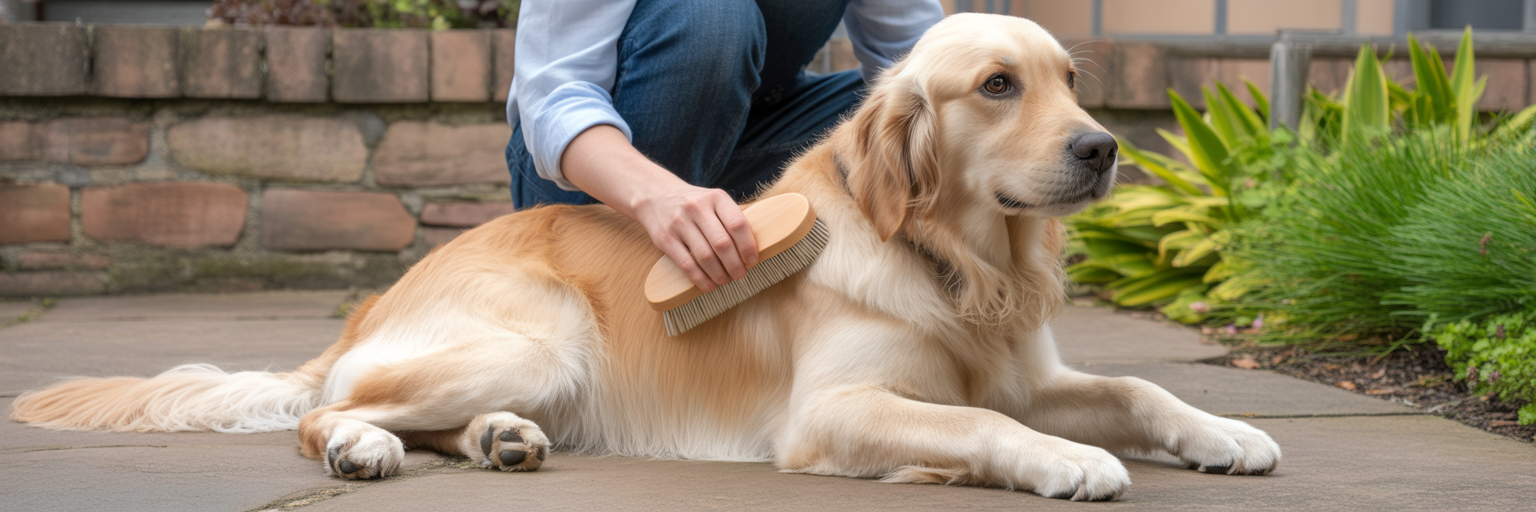
That sudden explosion of fur covering your floors and furniture has a biological purpose. Dogs shed their thick winter undercoat to prepare for warmer temperatures. If this dead hair isn't removed, it can become compacted and form painful mats, trapping heat and restricting airflow to the skin. Regular, thorough brushing is your first line of defence. For dogs with particularly dense coats, this is one of the most important seasonal dog care tips UK owners can follow. A professional service can make a world of difference, which is why we offer a specialised dog de-shedding treatment to properly remove the undercoat and keep your dog cool.
Parasite Patrol After Park Walks
Warmer weather means more time exploring local gems like the Sidlaw Hills or Templeton Woods. Unfortunately, it also means a higher risk of ticks and fleas. Grooming is a crucial opportunity for early pest detection. After a walk, run your hands carefully through your dog’s coat, paying close attention to their ears, neck, and paws. Catching a tick early can prevent more serious health complications.
Post-Adventure Cleaning
A trip to Broughty Ferry beach is a highlight for many Dundee dogs, but salt and sand can wreak havoc on their skin and fur. Saltwater is incredibly drying, while sand can cause abrasion and irritation if left in the coat or between paw pads. A quick but thorough rinse with fresh water after a beach visit is non-negotiable. It’s equally important to ensure your dog is completely dry afterwards to prevent skin issues from developing in the damp fur.
Many owners also consider a 'summer trim'. This is not the same as a full shave, which can remove the coat's natural protection against the sun. A strategic trim can improve air circulation and comfort without compromising their safety, making it a smart adjustment for the sunnier months.
Autumn and Winter Coat Protection Strategies
When autumn arrives in Dundee, bringing with it persistent rain and a distinct chill, our grooming focus must shift to protection. A damp coat in winter is a serious health risk, as it loses its insulating properties and can leave a dog susceptible to hypothermia or skin infections. Proper winter dog coat care is about keeping your dog warm, dry, and comfortable.
After a walk in the rain, effective drying is critical. Vigorously towel-dry your dog first, then use a low-heat hairdryer if they tolerate it, always keeping it moving to avoid concentrating heat on one spot. This is a key part of wet weather dog grooming. Another major challenge is matting caused by friction from winter jackets and harnesses. Daily brushing, especially around the neck, chest, and under the legs, is the only way to prevent these uncomfortable tangles from forming.
Paw care becomes especially important on frosty mornings. Here is a simple routine for how to protect dog paws in winter:
- Trim the fur between their paw pads to prevent ice, mud, and grit from clumping and causing discomfort.
- Wipe paws with a damp cloth after every walk to remove salt and chemicals from gritted pavements, which can be corrosive and painful.
- Regularly apply a dog-safe paw balm to create a protective barrier and prevent the pads from cracking in the cold, dry air.
For owners looking for extra support, our professional dog paw pad care service provides a comprehensive solution to winter paw problems. Finally, it’s a myth that dogs shouldn’t be bathed in winter. A clean, dry coat insulates far better than a dirty one. A moisturising bath can also counteract the drying effects of central heating. The crucial step is ensuring your dog is completely dry before they go outside again. As the Dogs Trust highlights in their cold weather advice, keeping dogs warm and dry is fundamental to their winter wellbeing.
Breed-Specific Considerations for the Local Climate
While seasonal advice is helpful, the most effective grooming plan is tailored to your dog’s specific coat. Different coat types have vastly different needs, especially when faced with Dundee’s damp and windy conditions.
For double-coated breeds like Labradors and Huskies, the primary challenge is their dense undercoat. In our damp climate, this layer can trap moisture right against the skin. Diligent brushing to remove dead hair and promote airflow is essential to prevent skin infections.
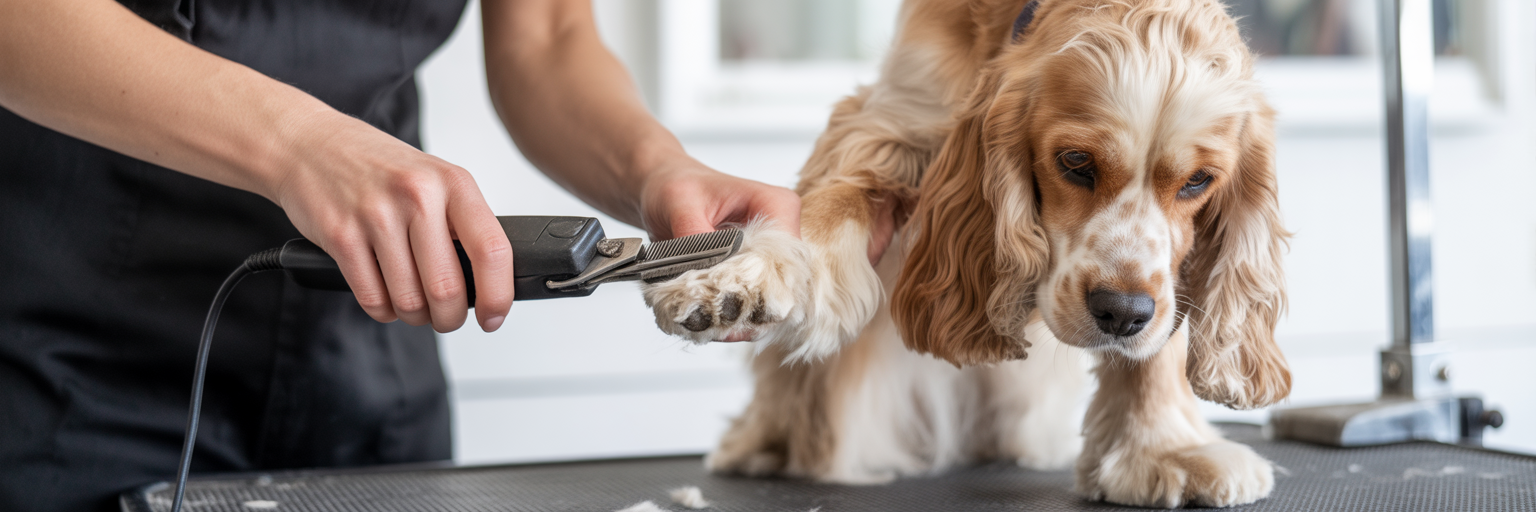
Long-haired breeds, such as Cocker Spaniels and Setters, act like magnets for mud, burrs, and dampness from walks in our local parks. For these dogs, daily brushing is a necessity to prevent mats from forming. Regular professional trims can also help keep their coat manageable and clean.
Wiry-coated terriers possess a fantastic natural defence against the weather, but only if their coat is maintained correctly. Clipping can soften the texture, causing it to lose its water-resistant properties. Hand-stripping, which involves pulling out the dead outer coat by hand, preserves this natural weatherproof quality. It’s an ideal technique for dogs in our climate, and a professional hand-stripping service ensures it’s done correctly to maintain that protective texture.
Finally, short-haired breeds like Whippets and Vizslas are particularly vulnerable to the cold wind. For them, grooming is less about brushing and more about skin care. Regular conditioning can prevent dryness, and a well-fitted, protective coat is an absolute must for winter walks.
| Coat Type | Primary Dundee Challenge | Key Grooming Action | Recommended Frequency |
|---|---|---|---|
| Double Coat (e.g., Labrador, Husky) | Trapped moisture & heavy shedding | Thorough brushing & undercoat removal | 2-3 times per week |
| Long-Haired (e.g., Cocker Spaniel) | Matting from mud & damp | Daily brushing & regular professional trims | Daily checks, professional groom every 6-8 weeks |
| Wiry Coat (e.g., Border Terrier) | Losing weatherproof texture | Hand-stripping to remove dead hair | 2-4 times per year |
| Short/Single Coat (e.g., Whippet) | Lack of insulation from cold & wind | Skin conditioning & protective outerwear | Weekly wipe-down, coat as needed |
This table provides a quick reference for tailoring grooming efforts to your dog's specific coat type based on the common environmental challenges faced in Dundee.
Finding Professional Grooming Support in Dundee
While at-home grooming is vital, there are times when professional support is necessary. Knowing when to call in an expert is key to your dog’s health and comfort. Clear signs include severe matting that you can’t gently brush out, persistent skin issues like redness or flaking, or if your dog shows extreme anxiety during grooming sessions at home.
When searching for the best dog groomers in Dundee, it’s important to do your homework. A great groomer is a partner in your dog’s care. Here’s a checklist to help you find the right fit:
- Qualifications and Experience: Are they qualified (e.g., City & Guilds level 3) and experienced with your dog's breed?
- Insurance and Safety: Do they hold full public liability insurance and have a clean, safe, and secure facility?
- Services Offered: Do they offer services that address Dundee's specific weather challenges, like deep conditioning or paw treatments?
- Reviews and Reputation: What do other local dog owners say about their services online or in the community?
Professional groomers offer specialised services that are particularly beneficial for our climate, such as intensive de-shedding sessions, therapeutic mud baths to soothe irritated skin, and protective paw treatments that go beyond what can be done at home. For more guidance, we have shared insights on choosing the right dog groomer in Dundee to help you make an informed decision.
Building a long-term relationship with a trusted local groomer is invaluable. A professional who knows your dog and their history can spot subtle changes or potential health issues early. They can adapt their services throughout the seasons, becoming an essential part of your dog’s overall wellness team.