
Finding the Right Dundee Groomer for Your Rare Breed Puppy
Understanding the Unique Grooming Needs of Rare Breed Puppies
With hundreds of recognised dog breeds, the variety in coat types, temperaments, and health needs is immense. For owners of rare breeds in Dundee, this diversity presents a unique challenge. Finding a groomer is not just about getting a haircut; it is about finding a professional who understands the specific requirements of a dog that does not fit the standard mould.
The term 'rare breed' often signals non-standard coat types or particular health sensitivities that a generalist groomer might not be familiar with. Consider the difference between a hairless Peruvian Inca Orchid, whose exposed skin requires specialised moisturising and sun protection, and a wire-coated Cesky Terrier. The terrier’s coat needs a specific technique like hand-stripping to maintain its correct texture and colour, a skill that not every groomer possesses. This is where specialised knowledge of dog grooming for rare breeds becomes essential.
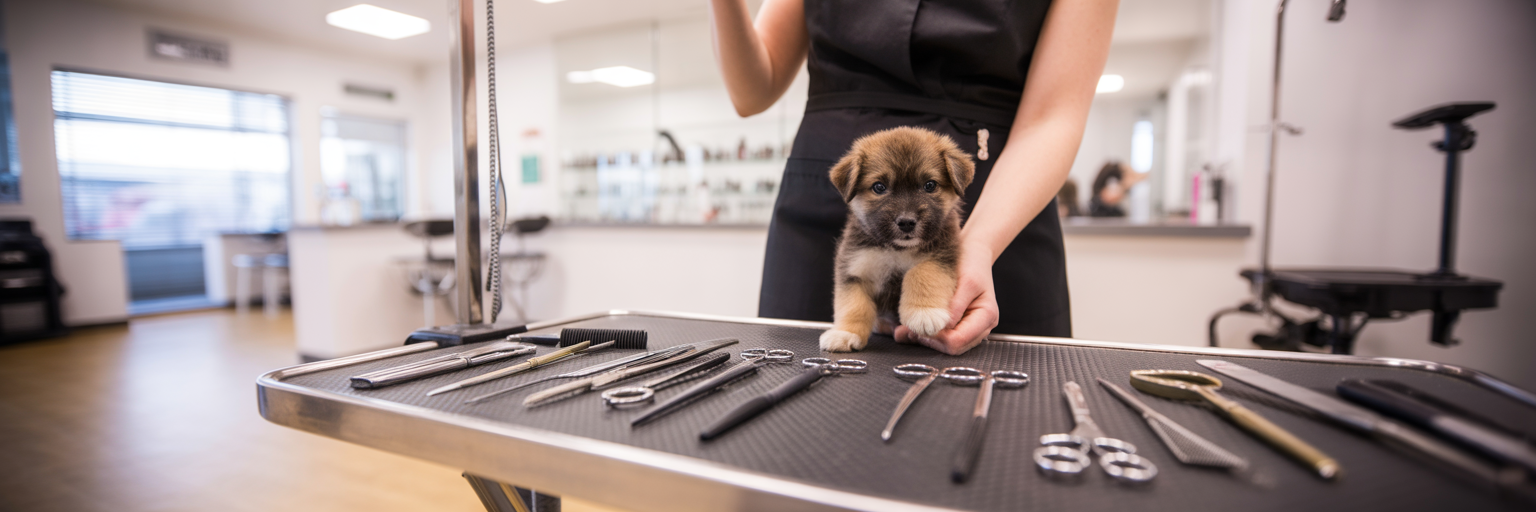
Beyond the coat, the first few grooming sessions are foundational. For a puppy between three and six months old, these initial experiences shape their attitude towards grooming for life. We can all picture a nervous puppy trembling on a grooming table. A negative or stressful first encounter can create lasting anxiety, turning every future visit into a battle. A patient groomer who prioritises positive association is not a luxury, it is a necessity.
Grooming is also a first line of defence for health. A knowledgeable professional does more than just wash and clip. They run their hands and tools over every inch of your puppy, making them uniquely positioned to spot the early signs of skin infections, parasites, or painful matting hidden beneath a dense coat. For some rare breeds with genetic predispositions to skin conditions, this regular check is invaluable.
Finally, temperament plays a huge role. Many rare breeds were developed for specific tasks and can be more sensitive or wary of strangers than their more common counterparts. They require a groomer skilled in low-stress handling techniques, someone who can read a puppy’s body language and adapt their approach, rather than forcing them through a one-size-fits-all process.
Key Qualities of a Groomer for Your Rare Breed Puppy
Now that we have established why your rare breed puppy needs specialised attention, let's focus on what to look for in a groomer. Identifying the right professional involves more than a quick search; it requires a careful assessment of their skills, environment, and approach. Finding a specialist dog groomer Dundee means looking for a specific set of qualities that guarantee your puppy is in safe, capable hands.
Verifiable Breed-Specific Experience
General experience is good, but breed-specific experience is better. Ask a potential groomer if they have worked with your puppy's breed before. If not, ask about their experience with breeds that have a similar coat, size, and temperament. A groomer who has handled the wiry coat of a Scottish Terrier will be better prepared for your Cesky Terrier. Do not hesitate to ask for a portfolio or photos of their work on similar dogs.
Formal Qualifications and Ongoing Education
While the UK grooming industry is not legally regulated, formal qualifications demonstrate a commitment to professional standards. According to City & Guilds, qualifications like their Level 2 & 3 Diplomas in Dog Grooming cover topics from health and safety to canine first aid and styling. While not mandatory, their presence is a strong indicator of a groomer's dedication. Also, ask about Continuous Professional Development (CPD), which shows they are actively updating their skills.
Patience and a Puppy-First Approach
A puppy’s first grooming experiences should be about comfort, not perfection. A great groomer understands this. Look for someone who offers shorter initial sessions designed for acclimatisation. They should use positive reinforcement, like treats and praise, to build trust. The goal of the first few visits is to teach your puppy that the salon is a safe and pleasant place, even if it means the haircut is not perfectly even.
A Clean, Safe, and Well-Equipped Salon
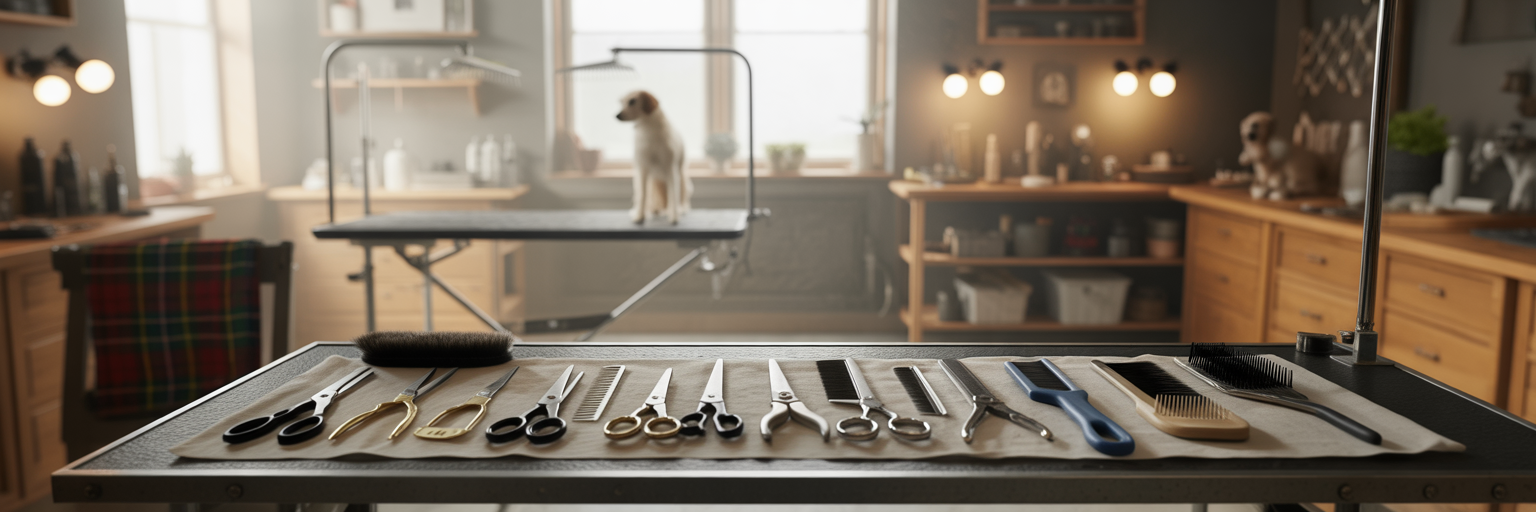
The physical environment speaks volumes. A professional salon should feel calm and controlled, not chaotic. Look for practical safety features: secure enclosures or crates for waiting dogs, non-slip flooring to prevent accidents, and visible sanitation protocols. The tools should be professional-grade and well-maintained. A clean, organised space reflects a groomer who takes pride in their work and prioritises the well-being of the animals in their care.
Researching and Shortlisting Groomers in Dundee
With a clear idea of what you are looking for, it is time to start the practical search. Knowing how to find a dog groomer who fits your rare breed’s needs involves a mix of digital research and community networking. Start by building a list of potential candidates in the Dundee area.
Targeted online searches are a great starting point. Use specific phrases like "rare breed groomer Dundee" or "puppy introduction grooming Dundee" to narrow the results. While you are online, exploring a comprehensive resource like our guide on choosing the right professional can provide a solid foundation for your search. A groomer’s website should clearly list their services and qualifications. Their social media channels can offer a more personal, behind-the-scenes glimpse of their work, their handling style, and feedback from other clients.
Do not underestimate the power of word-of-mouth. Talk to other dog owners you meet at parks or training classes. For rare breeds, one of the best resources is a breed club. As The Kennel Club's directory shows, there are clubs for almost every breed, and they often maintain lists of groomers trusted by their members. You can find a relevant club on their website and reach out for recommendations.
As you shortlist candidates, you will likely face a choice between a mobile groomer and a traditional salon. Each has distinct advantages, especially for a sensitive rare breed puppy. A mobile groomer offers a one-on-one session in a quiet environment right outside your home, which can significantly reduce stress. Conversely, a salon provides controlled exposure to new sounds, smells, and other dogs, which can be a valuable socialisation experience. The right choice depends entirely on your puppy’s individual temperament.
| Factor | Mobile Groomer (One-on-One) | Salon-Based Groomer |
|---|---|---|
| Environment | Familiar, quiet setting in a van at your home. | Structured, professional salon with other dogs potentially present. |
| Stress Level | Lower for anxious puppies; no travel or waiting in a new place. | Can be higher due to new sounds, smells, and other animals. |
| Socialization | No interaction with other dogs. | Offers controlled exposure to a salon environment and other dogs. |
| Convenience | Highly convenient; the groomer comes to you. | Requires drop-off and pick-up at a fixed location. |
| Distractions | Minimal; a dedicated one-on-one session. | Potential for more distractions from other dogs and staff. |
Preparing Your Rare Breed Puppy for Their First Grooming Visit
The success of your puppy's first grooming session does not just depend on the groomer; it also depends on you. By taking proactive steps to prepare your puppy, you can make the experience far less intimidating and set them up for a lifetime of stress-free grooming. This preparation starts at home, long before you step into a salon.
Begin with at-home desensitisation drills. The goal is to make handling a normal, pleasant part of their daily routine. These short, happy sessions build a foundation of trust and acceptance.
- Gentle Handling: Every day, gently touch and hold your puppy’s paws, look inside their ears, and lift their tail. Follow up immediately with a high-value treat and praise. This teaches them that being handled leads to good things.
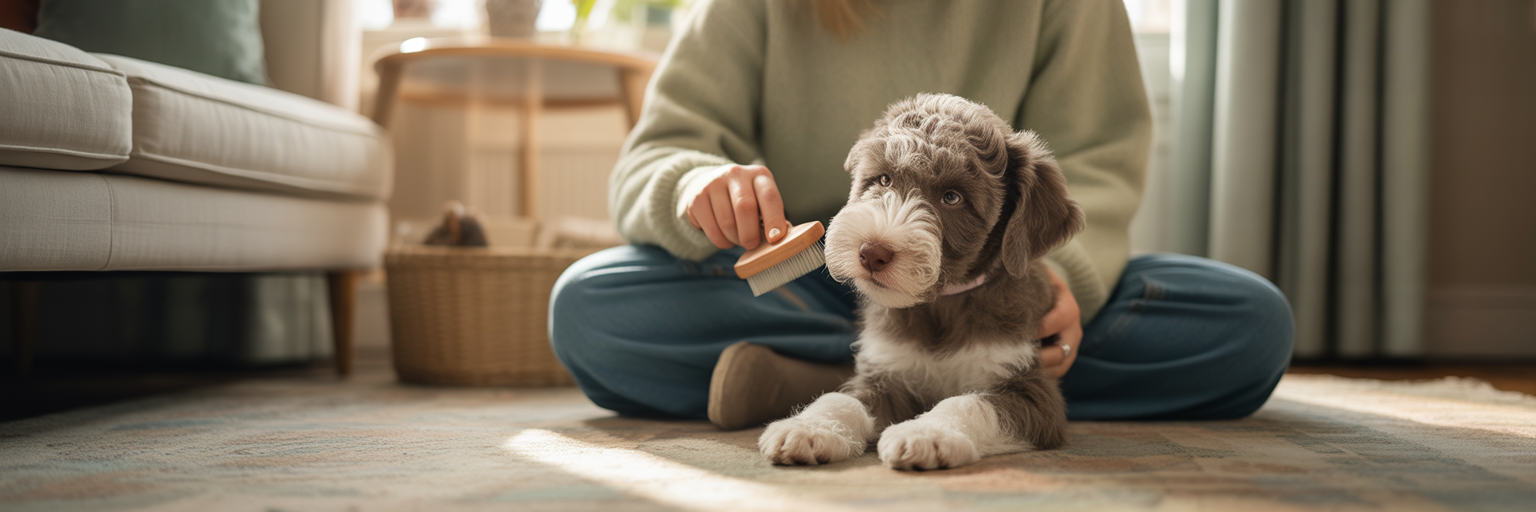
- Brushing Practice: Use a soft brush for very short sessions, just a few strokes at a time. Keep it positive and stop before your puppy gets restless. You want them to associate the brush with a pleasant interaction, not a chore.
- Sound Simulation: The noise of clippers and dryers can be frightening. Introduce similar sounds in a controlled way. Turn on an electric toothbrush or a hairdryer at a distance while giving your puppy treats, gradually decreasing the distance as they show calm behaviour.
Think about the journey itself. If the only time your puppy gets in the car is to go to the vet, they will naturally be anxious. Practice a few car journeys to the groomer’s location without actually going in for an appointment. A short walk around the area followed by a return home can build a more positive association with the trip.
When the day arrives, the handover is critical. This is your chance to communicate everything the groomer needs to know: your puppy’s personality, any health issues or sore spots, and how they have responded to your at-home training. Finally, master the calm handover. A long, emotional goodbye can signal to your puppy that something is wrong. A quick, confident departure tells them you are comfortable and that they are in a safe place. This is a key part of our approach to puppy grooming.
Essential Questions to Ask a Potential Groomer
You have done your research and shortlisted a few promising groomers. The final step is to have a direct conversation to ensure they are the right fit. This is not the time to be shy. A professional and confident groomer will welcome your questions and appreciate your diligence. Use this checklist to guide your conversation and make an informed decision for your rare breed puppy grooming Dundee.
Questions About Experience and Qualifications
- Have you groomed a [puppy's breed] before? If not, what is the most similar breed you have experience with?
- Could I see a portfolio of your work on dogs with similar coats?
- What formal qualifications do you hold, and do you participate in ongoing training?
Questions About the Grooming Process
- What does a puppy introduction session involve, and how long does it typically last?
- How do you handle a puppy that becomes stressed or frightened?
- What is your approach to drying? Are dogs ever cage-dried, and if so, are they always supervised?
- Will my puppy be groomed from start to finish by one person?
Questions About Safety and Salon Policy
- What is your procedure in case of an accident or medical emergency?
- Are you fully insured for liability and animal care?
- May I see the grooming area and where my puppy will be kept before I book an appointment?
Pay close attention to the last question. A refusal to let you see the grooming area is a major red flag. Transparency is a hallmark of a trustworthy business, and you have every right to see where your puppy will be spending their time.
Questions About Pricing and Scheduling
- Can you provide a clear price estimate for a puppy groom for my breed?
- Are there additional charges for services like de-matting or special handling?
- How far in advance do I need to book an appointment?
Establishing a Long-Term Grooming Routine and Partnership
Finding the right groomer is not a one-time task; it is the beginning of a long-term relationship. The value of this consistency cannot be overstated. A regular groomer who sees your puppy every few weeks or months will learn their individual quirks, sensitivities, and baseline health. They become a trusted partner in your dog’s overall well-being.
We believe the owner-groomer dynamic should be a collaborative partnership. After each session, your groomer can provide valuable feedback on your puppy’s coat condition and suggest adjustments to your at-home maintenance routine. In return, your updates on your dog’s health or behaviour help the groomer provide safer, more effective care. This open communication is central to high-quality Dundee pet services.
So, how often should your puppy be groomed? There is no single answer. The right schedule depends on your breed’s coat, their age, and their lifestyle. A long-haired breed that loves running through the Dundee countryside will need more frequent appointments than a short-coated one who prefers the sofa. Your groomer is the best person to help you create a customised plan that keeps your puppy’s coat healthy and free of mats.
Your role continues even after you pick your puppy up. After a grooming session, give them plenty of praise and a special treat to reinforce the positive experience. Take a few minutes to gently check their skin for any signs of irritation and look over their new haircut. Monitor their behaviour for the rest of the day. Are they happy and comfortable? This feedback loop is crucial. If you notice anything amiss, letting your groomer know allows them to adjust their process for the next visit, ensuring your puppy’s continued comfort and solidifying a partnership built on trust and mutual respect.