
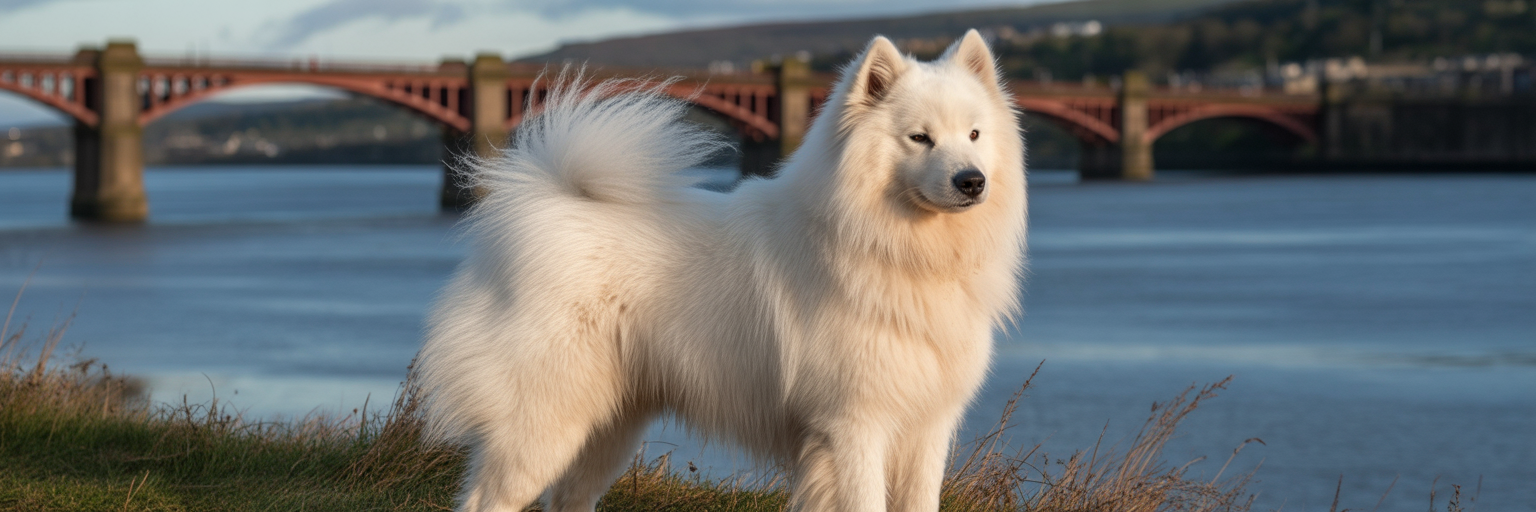
Finding the Right Dundee Groomer for Your Double Coated Dog
Owning a double-coated dog like a Golden Retriever or a Siberian Husky comes with a unique set of responsibilities, especially when it comes to grooming. Their magnificent coats are more than just beautiful; they are a complex, functional system. Finding a groomer who understands this is not just a preference, it is essential for your dog’s health and comfort.
The Unique Grooming Needs of a Double Coat
Think of your dog's double coat like a well-insulated house. It has a soft, dense undercoat that acts as insulation and a tougher, longer topcoat that serves as weatherproof siding. This combination is what allows breeds like German Shepherds and Border Collies to thrive in the varied Scottish climate, keeping them warm during a chilly Dundee winter and, surprisingly, cool during warmer summer days.
The undercoat traps a layer of air, which provides insulation against both heat and cold. This is why the common myth of shaving a double-coated dog to keep it cool is not just wrong, it is dangerous. Shaving removes this natural defence mechanism, exposing their skin directly to the sun and increasing the risk of sunburn and overheating. It disrupts their ability to regulate body temperature effectively.
Worse still, shaving can cause permanent damage. The soft undercoat and the coarse topcoat grow at different rates. Shaving them down together often results in the undercoat growing back faster and thicker, while the protective guard hairs of the topcoat can become patchy, brittle, or fail to regrow properly. This changes the coat’s texture forever, turning a once sleek coat into a fuzzy, unmanageable one that mats more easily.
You have likely witnessed your dog "blowing their coat," a period of intense shedding that usually happens twice a year. This is the natural process of the old, dead undercoat making way for a new one. While it can feel like your home is being overtaken by fur, this cycle is normal. However, if this shed undercoat is not removed professionally, it can become compacted and form painful mats close to the skin, restricting airflow and leading to irritation or infection. This is where a specialist groomer becomes an indispensable partner in your dog's care.
Essential Services for Double-Coated Breeds
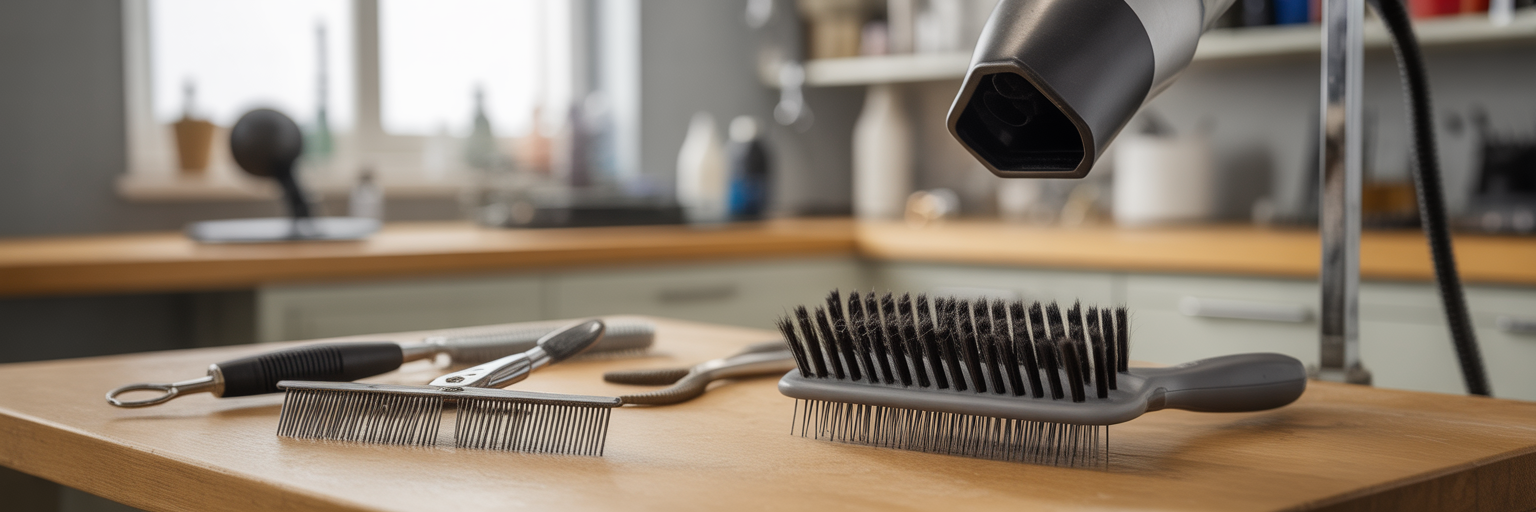
Once you understand the function of the double coat, it becomes clear that not all grooming services are created equal. A groomer who specialises in these breeds will offer a specific menu of treatments designed to maintain the coat’s integrity, not just cut it. When you are looking at a groomer’s services, these are the non-negotiable essentials you should see.
A professional de-shedding treatment is the cornerstone of double-coat care. This is far more than a quick brush. It is a multi-stage process that often starts with a special shampoo and conditioner designed to loosen the dead undercoat. After the bath, the groomer uses a high-velocity dryer to literally blow the loose fur out of the coat. This step is crucial and highly effective. A comprehensive de-shedding treatment is designed to safely remove this loose undercoat, making your dog more comfortable and your home much cleaner. When searching for a `de-shedding treatment Scotland`, ensure the groomer describes this thorough process.
Next comes the manual work with specialised tools. A skilled groomer will use an undercoat rake or carding tools to meticulously remove any remaining dead fur that the dryer did not catch. These tools are designed to reach deep into the dense undercoat and pull out the loose fluff without cutting or damaging the protective topcoat hairs. This is a precise and gentle technique that requires patience and expertise.
A thorough bath is important, but the drying process is even more critical. A dense undercoat that remains damp can become a breeding ground for bacteria, leading to skin infections or painful hot spots. A professional groomer’s high-velocity dryer ensures the coat is dried completely down to the skin, something that is nearly impossible to achieve with a standard hair dryer at home.
Finally, a specialist will perform necessary tidying with scissors, not clippers. This involves neatly scissoring the fur around the paws, between the pads, and in the sanitary areas. This is done for hygiene and comfort, preventing matting in delicate spots without compromising the overall function of the coat.
How to Research and Vet Groomers in Dundee
With a clear idea of the services your dog needs, the next step is to find the right person for the job. Your research should start online, long before you pick up the phone. A dedicated local directory simplifies this initial step, allowing you to find a dog groomer Dundee and filter your search by postal code or specific services, immediately narrowing down your options.
Once you have a list of potential groomers, investigate their online presence. Do not just look at their website; dive into their social media feeds. A groomer’s Instagram or Facebook page is their portfolio. Are you seeing before-and-after photos of breeds similar to yours? A gallery filled with beautifully groomed Collies, Samoyeds, or German Shepherds is a powerful indicator of experience. It shows they are not just familiar with double coats but are proud of their work on them.
Next, read online reviews with a critical eye. Generic praise like "great service" is nice, but it is not what you are looking for. Search for reviews that mention specifics. Do other owners of large, shedding breeds comment on the groomer's patience? Do they mention how effective the de-shedding was or how comfortable their dog seemed? These details provide genuine insight into their skills.
Do not underestimate the power of local knowledge. Ask for recommendations in Dundee-based dog owner Facebook groups. When you are out for a walk at popular spots like Camperdown Park or along Broughty Ferry beach, strike up a conversation with owners of well-groomed double-coated dogs. A personal recommendation from someone who understands your needs is often the most reliable reference you can get.
Key Questions to Ask a Potential Groomer
After your initial research, you should have a shortlist of promising groomers. Now it is time to move from passive investigation to active vetting. A direct conversation is the best way to gauge a groomer’s expertise and approach. Being prepared with the right questions will help you make a confident decision.
Start by being specific about your needs. Instead of asking if they groom your dog’s breed, frame the question to test their knowledge. For example, say: "I have a Siberian Husky, and I am looking for someone experienced with double coats. Can you tell me about your process for a breed like mine?" This prompts a more detailed answer. If you are looking for `husky grooming Dundee`, their response should immediately give you a sense of their confidence and familiarity.
Inquire about their methods. Ask, "What specific tools and products do you use for a de-shedding treatment?" A knowledgeable professional will confidently mention tools like an undercoat rake, a high-velocity dryer, and de-shedding shampoos. Vague answers like "we use a good brush" are a red flag.
The most critical question is about shaving. Ask directly: "What are your thoughts on shaving a double-coated dog for summer?" The only acceptable answer is a firm explanation of why they avoid it, citing the risks of coat damage and overheating. Any groomer who suggests a "summer cut" with clippers for a double-coated breed does not understand their function and should be avoided. As The Kennel Club UK highlights in their grooming guides, preserving coat type is fundamental to a dog's health.
Finally, ask if you can schedule a brief consultation or "meet and greet" before the first appointment. A professional groomer will welcome this. It gives them a chance to assess your dog’s coat and temperament, and it gives you a chance to see the salon and observe how they interact with your dog. This initial meeting builds trust for everyone involved.
| Question to Ask | Green Flag Answer (Signs of Expertise) | Red Flag Answer (Cause for Concern) |
|---|---|---|
| What is your experience with double-coated breeds like [Your Dog's Breed]? | 'We work with them regularly. Our process involves a thorough de-shed with an undercoat rake and high-velocity dryer to protect the topcoat.' | 'A dog is a dog, we groom them all the same.' |
| What are your thoughts on shaving a double coat for summer? | 'We strongly advise against it as it damages the coat and removes the dog's natural ability to cool itself. We only shave for severe, medical matting.' | 'Yes, we can give them a summer cut to keep them cool. It's very popular.' |
| What tools do you use for a de-shedding treatment? | Mentions specific tools: undercoat rake, slicker brush, high-velocity dryer, and de-shedding shampoos/conditioners. | Vague terms: 'a good brush,' 'thinning shears,' or 'we just give them a good wash and brush out.' |
| Can I see the area where my dog will be groomed and dried? | 'Of course, you're welcome to have a quick look around our salon.' | Hesitation, excuses, or refusal to show the facility. |
Recognising Red Flags in a Grooming Service
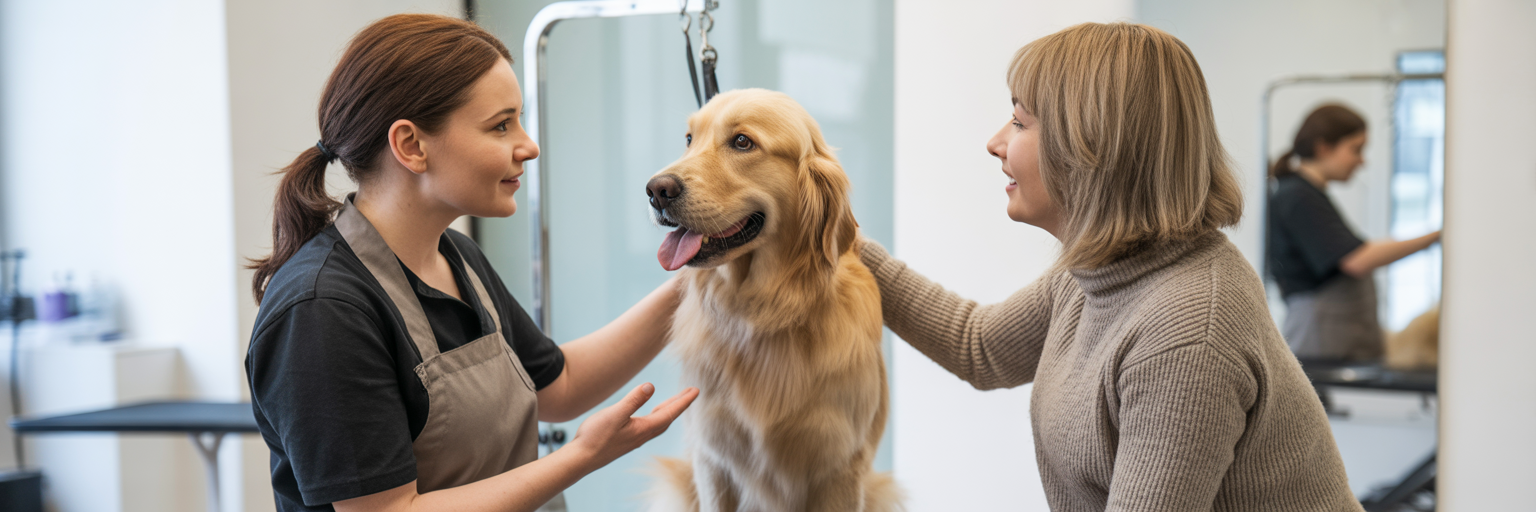
Just as important as knowing what to look for is knowing what to avoid. Some grooming practices and business models are simply not suited for the needs of a double-coated dog. Being able to spot these red flags early will save you and your pet from a potentially damaging experience.
Be wary of a "one-size-fits-all" approach to pricing and services. Grooming a double-coated breed properly takes significantly more time, effort, and skill than grooming a short-haired dog. Competent `dog groomers for double coats Dundee` will have tiered pricing that reflects this. A single, flat rate for all breeds suggests a lack of understanding of different coat types and the work they require.
Pay close attention to the language the groomer uses. If they rely on vague phrases like "we will give them a good brush out" or "we can thin the coat," it often indicates a lack of specialised training. A true professional will use specific, confident terminology like "undercoat raking," "carding," and "high-velocity blow-out" because they know exactly what they are doing and why.
A reputable groomer should have nothing to hide. If you ask for a brief tour of their facility and they hesitate or refuse, consider it a major warning sign. You have a right to see where your dog will be bathed, dried, and groomed. Reluctance to show you their workspace could suggest poor hygiene, unsafe practices, or general disorganisation.
Finally, be cautious of unrealistic promises. Any groomer who guarantees they can completely stop your dog from shedding is not being truthful. Professional grooming can dramatically reduce shedding and make it manageable, but it is a natural biological process that cannot be eliminated. This kind of claim is a marketing gimmick and a clear sign that you should look elsewhere.
Maintaining Your Dog's Coat Between Professional Grooms
Finding a great groomer is only half the battle. The work you do at home between appointments is just as important for keeping your dog’s coat healthy and free of mats. Think of it as a partnership; your efforts at home make the professional groomer’s job more effective and your dog’s experience more comfortable.
First, establish a regular brushing routine. For most double-coated breeds, brushing two to three times a week is essential. Use the "line brushing" technique: part the hair with one hand and brush the fur below it, working in sections across the body. This ensures you are reaching the dense undercoat and not just skimming over the topcoat.
Investing in a few key tools will make your at-home sessions much more effective. A basic toolkit should include a high-quality slicker brush to remove loose fur, a metal "greyhound" comb to find small tangles before they become mats, and an undercoat rake for periodic, deeper de-shedding. These tools are designed to work with the coat, not against it.
Use your brushing time as an opportunity for a quick health check. Run your fingers through the coat to feel for any developing mats, paying close attention to high-friction areas like behind the ears, in the armpits, and around the tail. Check the skin for any signs of irritation, redness, or parasites. This regular at-home dog brushing is the perfect complement to professional grooming sessions.
Finally, know when to book your next professional appointment. A general guideline is every 6 to 10 weeks, but this can vary based on your dog’s breed, coat density, and the season. Staying on a regular schedule prevents the coat from becoming overwhelmed with shed fur, making each grooming session easier for both your dog and the groomer.
The Long-Term Value of Specialist Grooming Care
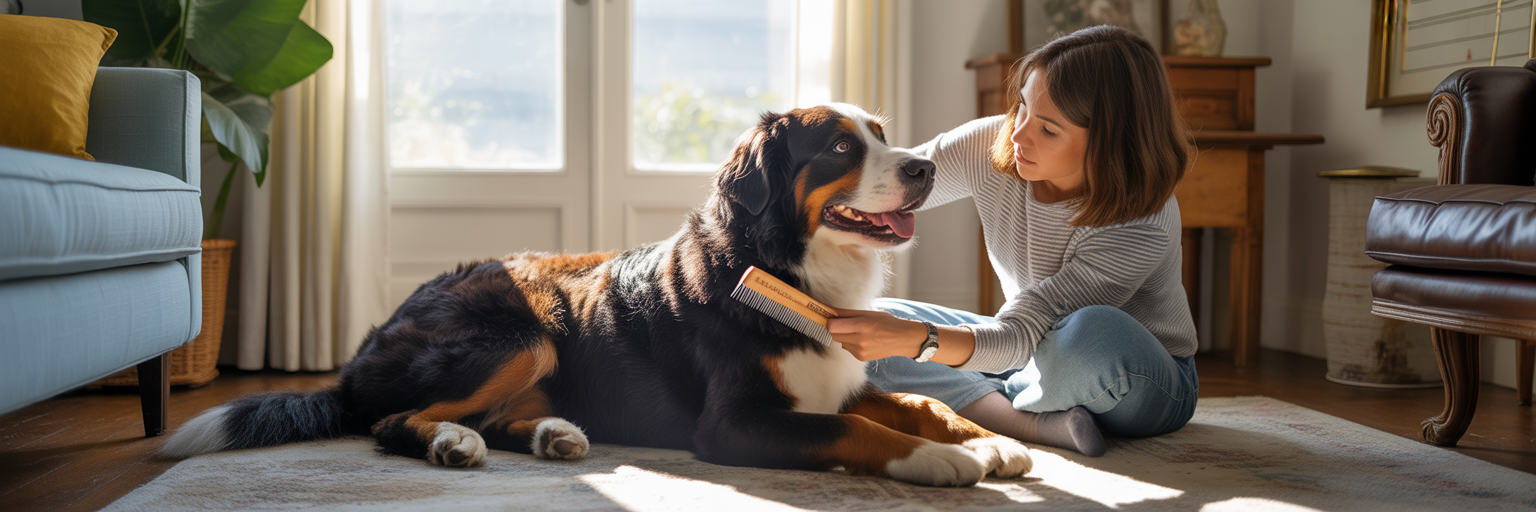
Choosing the right groomer for your double-coated dog is an investment in their long-term health and happiness. It goes far beyond aesthetics. Proper grooming stimulates blood flow to the skin, distributes natural oils for a healthy shine, and removes dead fur that can cause painful matting and skin problems. A well-maintained coat is not just beautiful; it is a functional system that allows your dog to regulate its temperature and stay comfortable year-round.
The benefits extend to you as well. A professionally groomed dog means a significantly cleaner home with far less shedding. The time you spend on at-home brushing also becomes a valuable bonding experience, strengthening the connection you share with your pet. This routine builds trust and reinforces your role as their dedicated caregiver.
Ultimately, the process is straightforward: understand your dog’s unique coat, look for groomers offering specific services, use local resources to research your options, and ask detailed questions. Trust your instincts. The relationship you build with your groomer should be a partnership. By seeking out `specialist dog grooming Dundee`, you are not just booking a service; you are enlisting an expert ally in your dog’s lifelong well-being.