
Finding Post Surgery Dog Grooming Care in Dundee
The Importance of Specialised Post-Surgery Grooming
A dog's recovery from surgery is a uniquely delicate time. Beyond the visible stitches and shaved patches, their body is working overtime to heal. Anaesthesia and medication can leave their skin hypersensitive and their temperament unusually anxious or even fearful. This is why a standard grooming appointment is not just unsuitable, it can be actively harmful.
Think about the physical state of your dog. The healing incision is tender and vulnerable, and the surrounding skin can be easily irritated. A typical grooming session, with its firm brushes and high-velocity dryers, can feel like an assault on their senses. The noise and activity of a busy salon can heighten their stress, potentially setting back their emotional recovery. The risks are significant: infection from tools that aren't meticulously sterilised for a compromised immune system, pain from standard brushes catching on tender skin, or matting that pulls painfully on stitches.
This is where specialised grooming becomes a vital part of the healing process. It’s not about aesthetics, but about health and comfort. Proper dog coat care after surgery focuses on three core goals. First, it prevents painful matting in the un-clipped fur, which can develop quickly when a dog is less active and can pull on the incision site. Second, it maintains essential hygiene, gently cleaning away dirt that could lead to infection. Finally, and just as importantly, it provides a calm, reassuring experience. A gentle session with a patient groomer supports both physical and emotional wellbeing, reinforcing a sense of safety when your dog feels most vulnerable. This kind of care is a necessary step in a smooth and comfortable recovery.
Identifying Suitable Grooming Professionals in Dundee
Once you understand why specialised care is necessary, the next step is finding the right person for the job. This initial research phase is about identifying potential groomers from the comfort of your home, minimising stress for both you and your recovering companion. It’s about knowing what to look for before you even pick up the phone.
Using Directories to Create a Shortlist
Your search for post-surgery dog grooming Dundee can begin effectively on a dedicated platform like ours. The key advantage is the ability to filter your search. A recovering dog should not endure a long, bumpy car ride. By searching for groomers by Dundee postcodes, you can find professionals close to home, whether you're in the City Centre (DD1), the West End (DD2), or Broughty Ferry (DD4). A shorter journey means less stress and a more positive start to the experience.
Decoding Groomer Profiles for Special Needs Care
Groomers may not always advertise "post-surgery" services directly, but their profiles often contain clues about their approach. Look for phrases that signal a personalised and gentle methodology. Terms like "one-on-one appointments," "calm and quiet environment," "individual care plans," or "experience with nervous or elderly dogs" are strong indicators. These phrases suggest a groomer who prioritises the individual animal's welfare over high-volume turnover. Finding these hidden gems is how you identify potential specialist dog groomers Dundee who have the right temperament and setup for your dog's needs.
The Value of Pre-Groom Health Checks
A hallmark of a true professional is their insistence on a pre-groom consultation or health check. A groomer who asks to see your dog before committing to an appointment, or who spends time discussing your dog's condition, demonstrates a commitment to safety. This isn't an inconvenience; it's a green flag. It shows they want to assess the surgical site, understand your dog's mobility, and create a tailored plan. This careful approach is a core principle, and you can learn more by reading our guide on choosing the right dog groomer in Dundee, which reinforces these essential selection criteria.
The Crucial Consultation with Your Groomer
After your initial research, the direct conversation with a potential groomer is the most critical step. This is not just a booking call; it is a two-way interview to establish trust and ensure your dog will be in safe hands. A professional groomer will welcome your questions and appreciate your diligence.
Your responsibility is to provide complete and honest information. Be prepared to share the exact date and type of surgery, the precise location of the incision, and any specific aftercare instructions from your veterinarian. You should also describe your dog's temperament since the operation. Are they more timid, irritable, or sensitive to touch? This information is not optional, it is essential for the groomer to create a safe plan.
In return, you need to ask specific questions to gauge their expertise and approach. A confident, experienced groomer will have clear answers. Here is a checklist to guide your conversation:
- What is your experience with dogs recovering from surgery?
- How do you adapt your routine for a dog with surgical stitches or staples?
- What specific tools and products will you use to ensure they are gentle and hypoallergenic?
- How do you monitor a dog for signs of stress or pain, and what is your procedure if they become too uncomfortable?
- Can you perform a modified, less intensive service, like a hygiene trim, instead of a full groom?
Asking these questions aligns with expert advice. As highlighted by The Kennel Club, a responsible groomer will always want to know about a dog's health and temperament before they begin. Your questions simply complete that circle of communication. Finally, always confirm their emergency protocols. A professional offering gentle dog grooming Scotland will have a clear plan for contacting you or a designated vet if any issues arise. This preparedness is a non-negotiable sign of a trustworthy professional.
Tailoring the Grooming Service to Your Dog's Needs
Once you've chosen a groomer, the focus shifts to defining the actual service. A post-surgery groom is fundamentally different from a standard one. The goal is maintenance and hygiene, not breed-standard styling. This means agreeing on a modified service that prioritises your dog's comfort and safety above all else.
A "hygiene trim" or "maintenance groom" is often the best solution. This is a targeted service that addresses essential areas to keep your dog clean and comfortable without the stress of a full-body clip. It typically involves gently trimming the hair around the paws, sanitary areas, and face. This prevents matting and keeps your dog clean without needing a full bath or extensive handling.
It is just as important to be clear about what services to postpone until your veterinarian gives full clearance. These typically include:
- Full-body haircuts: Clippers and prolonged time on the table can be too stressful.
- Vigorous de-shedding treatments: These require firm brushing that is unsuitable for sensitive skin.
- Nail grinding: The vibration and noise from a Dremel tool can cause anxiety. Careful clipping may be acceptable.
- Full immersion bathing: The surgical wound must be completely healed and sealed before it can get wet.
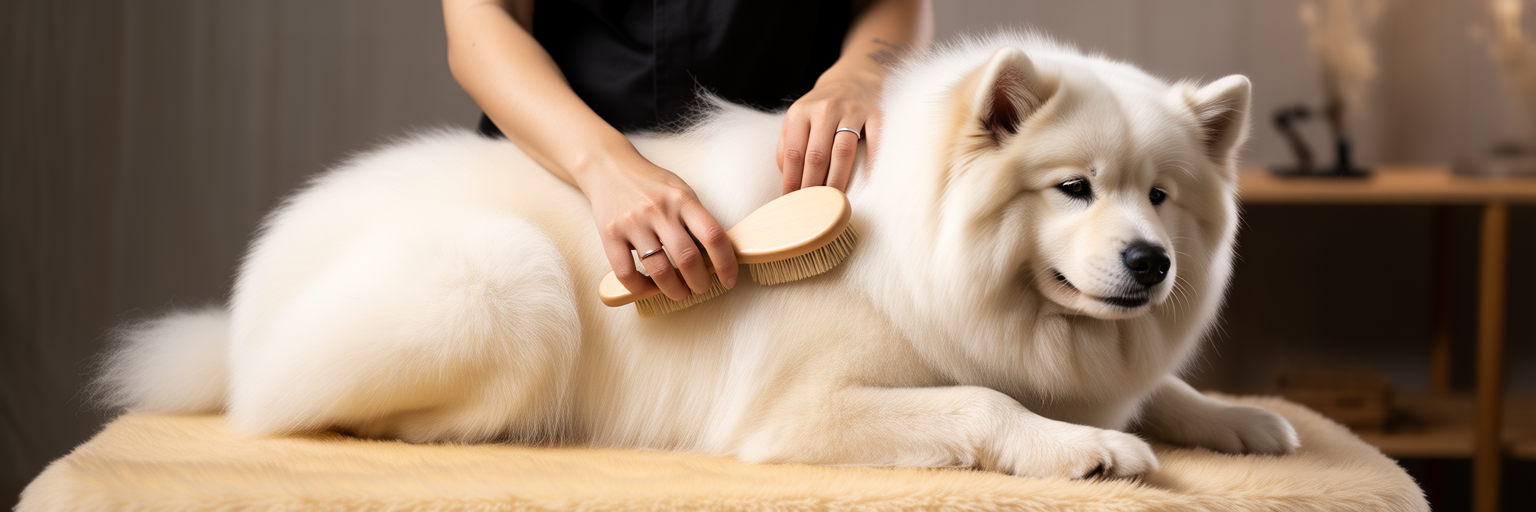
You should also discuss the specific products and tools the groomer will use. Confirm they will use hypoallergenic, fragrance-free shampoos (for spot cleaning, if appropriate) and soft-bristled brushes. The table below summarises the key differences between a standard groom and a modified post-surgery session.
| Service | Standard Full Groom Approach | Post-Surgery Modification |
|---|---|---|
| Brushing | Thorough brushing of the entire coat, may include de-shedding tools. | Very gentle brushing with a soft brush, completely avoiding the surgical area. Focus is on preventing matting elsewhere. |
| Bathing | Full body wash with standard or de-shedding shampoo. | No bathing until vet gives clearance. A gentle wipe with a damp cloth on non-surgical areas may be possible. |
| Clipping/Trimming | Full body haircut or styling according to breed standard. | A 'hygiene trim' only. Light trimming around paws, face, and sanitary areas. No clippers near the incision. |
| Nail Care | Nails are often clipped and then ground smooth with a Dremel tool. | Gentle nail clipping only, if the dog is comfortable. No nail grinding due to vibration and noise. |
| Drying | Use of high-velocity dryers to speed up the process. | Towel drying or a low-heat, low-speed handheld dryer held at a distance. No cage dryers. |
Note: This table illustrates common adjustments. The exact service must always be determined in consultation with your veterinarian and groomer based on your dog's specific condition.
Preparing Your Dog for a Stress-Free Visit
On the day of the appointment, your preparation can make a significant difference in how your dog experiences the groom. Dogs are incredibly perceptive; they can easily pick up on our anxiety and mirror it. The most important thing you can do is remain calm and project a positive, matter-of-fact attitude during the drop-off.
Making the grooming environment feel a little more familiar can also help ease your dog's nerves. Bringing a favourite blanket or an unwashed t-shirt that smells of home can provide a powerful sense of comfort. The groomer can place it on the table or in the holding area, giving your dog a tangible connection to their safe space. If your vet has approved it, a brief, calm walk before the appointment can also be beneficial. This allows your dog to relieve themselves so they are not anxious about needing the toilet during the groom.
Feeling prepared yourself can help reduce your own anxiety. Arrive at the appointment with everything the groomer might need. This simple act of organisation helps ensure the process is as smooth as possible. Here is a quick checklist of essential items to bring:
- Written instructions from your vet, including the date of surgery and any specific limitations.
- Your vet's contact information for the groomer's records.
- Any prescribed medications if the timing of a dose overlaps with the appointment.
- A comfort item from home, such as a small blanket or familiar toy.
- High-value treats for the groomer to use as positive reinforcement, especially if your dog has dietary restrictions.
By taking these small steps, you help set the stage for a calm and successful grooming experience for your recovering companion.
What to Expect During and After the Groom
Managing your expectations is key to a successful post-surgery grooming experience. The primary goal is your dog's comfort, not a perfect haircut. A successful session is one where your dog remains calm and feels safe, even if the groomer has to stop before the trim is technically "finished."
A caring professional will always prioritise your dog's welfare over aesthetics. They will watch for subtle signs of stress, such as panting, yawning, or a tucked tail. Good communication is crucial during the session. A responsible groomer will not hesitate to provide an update if your dog is showing signs of distress or if they feel it's best to cut the session short. You should welcome this communication, it is a sign that you have chosen the right person. The mantra here is comfort over perfection. A slightly uneven trim on a happy dog is infinitely better than a perfect cut on a terrified one.
When you pick your dog up, the groomer should give you a clear summary of how the session went, what they were able to accomplish, and how your dog behaved. Once you are home, your role is to provide gentle aftercare. Gently check your dog's skin and the area around the incision for any signs of redness or irritation. Then, offer plenty of praise, a small reward, and a quiet, comfortable place to rest. This positive reinforcement helps your dog associate the grooming experience with a good outcome, making future visits much easier. By ending the day on a calm and positive note, you close the loop on a successful and supportive grooming appointment.
Building a Long-Term Grooming Plan for Your Dog's Health
This first positive experience with a gentle groomer can be the foundation for a lifetime of good health. Once your veterinarian gives the all-clear, you can transition from this one-off, specialised service to a regular grooming schedule. The trust built during this delicate period makes future appointments far less stressful for your dog.
Establishing a consistent routine is the next step. Understanding how often your dog should be groomed based on their breed, coat, and lifestyle is essential for their long-term comfort and health. A professional groomer becomes a key partner in your dog's preventative healthcare team. As the RSPCA points out, groomers are often the first to spot potential health issues like skin conditions, unusual lumps, or parasites that might otherwise go unnoticed.
Your journey to find a dog groomer Dundee who could handle this sensitive task has now evolved into a valuable partnership. By conducting diligent research, communicating clearly, and requesting modified services, you ensured your dog's safety and comfort. Investing in proper post-surgery dog grooming Dundee is not just about a clean coat; it is a vital part of a safe recovery and a proactive step towards a lifetime of good health for your beloved pet.