
Finding a Hand Stripping Specialist in Dundee for Your Wire Haired Dog
Understanding the Craft of Hand-Stripping
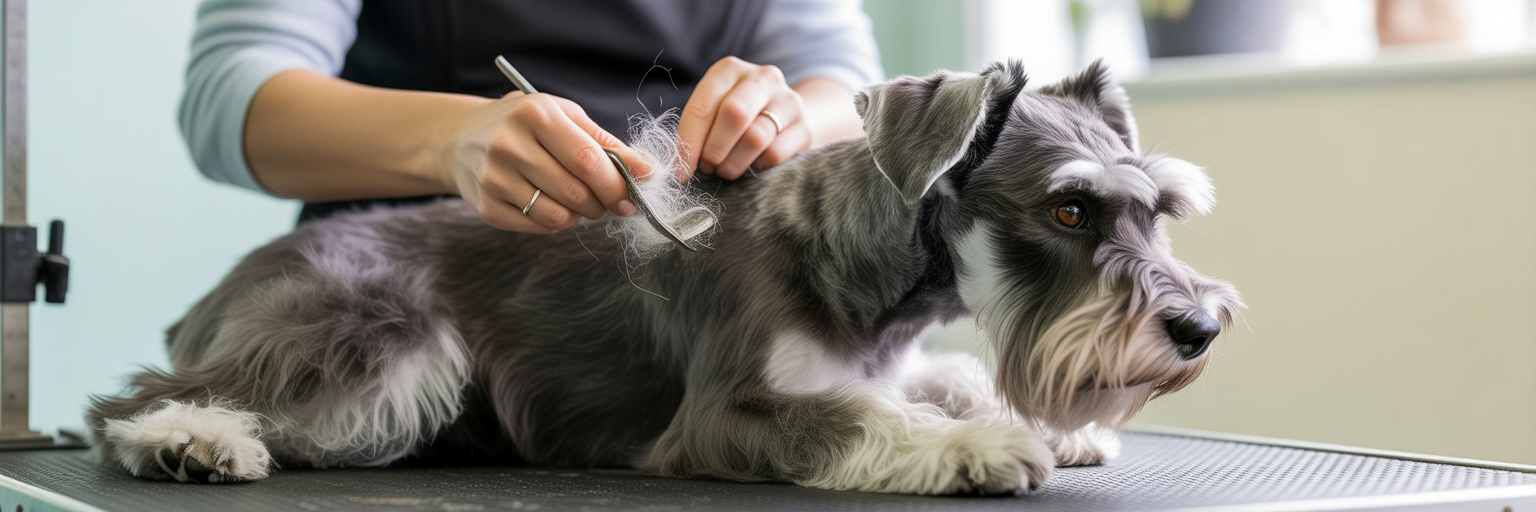
The unique, wiry coat of breeds like Border Terriers and Schnauzers didn't happen by accident. It’s a functional trait, developed to protect them from harsh weather and dense undergrowth. Preserving this natural armour requires a specific grooming technique that goes beyond a simple haircut. This is where hand-stripping comes in.
Think of hand-stripping like carefully weeding a garden. Instead of cutting the plant, you remove the entire weed from the root to make space for healthy new growth. Similarly, hand-stripping involves manually pulling out the dead, coarse outer hairs of the coat. This process stimulates the hair follicles to produce a fresh, wiry layer, ensuring the coat remains vibrant and weather-resistant. It’s a traditional skill that respects the natural cycle of a wire-haired dog's coat.
Clipping, on the other hand, simply shortens the hair, leaving the dead, colourless root in the follicle. Over time, this causes the coat to become soft, fuzzy, and often faded, losing its protective qualities. Proper wire-haired dog coat care is about maintaining the coat’s intended function and appearance, not just its length.
For owners wanting to keep their dog looking sharp year-round, groomers may suggest a 'rolling' coat. This involves stripping small sections of the coat every few weeks. The result is a coat with multiple layers of new growth, avoiding the "all or nothing" look of a full strip and ensuring your dog always looks tidy. This technique is particularly beneficial for:
- Border Terriers
- Wire Fox Terriers
- Airedale Terriers
- Standard and Miniature Schnauzers
- Dachshunds (Wire-Haired)
- Irish Wolfhounds
- German Wirehaired Pointers
If you own one of these breeds, understanding hand-stripping is the first step toward preserving the magnificent coat that defines them.
Hand-Stripping Versus Clipping: A Critical Choice
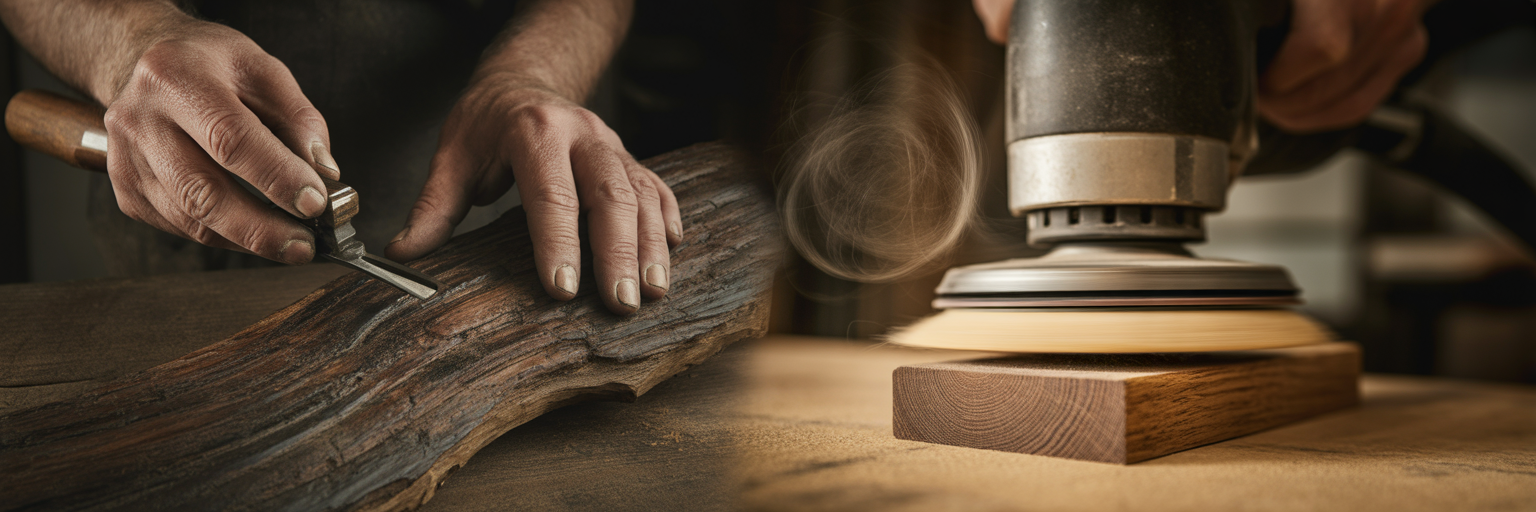
Now that we've established what hand-stripping is, the choice between it and clipping becomes clearer. It’s not just about aesthetics; it’s a decision with long-term consequences for your dog's coat and skin health. Many owners are told clipping is quicker and kinder, but is that the whole story? The truth is, the two methods produce fundamentally different results.
Hand-stripping preserves the coat’s integrity. By removing the dead outer layer, it allows a new, coarse, and richly coloured coat to grow in. This wiry texture isn’t just for show; it’s a natural raincoat that repels dirt and water. Clipping, in contrast, cuts both the dead outer hair and the soft undercoat to the same length. With each clip, the soft undercoat begins to dominate, and the wiry guard hairs thin out. A once-vibrant black coat on a Schnauzer can turn a dull, washed-out grey because the colourful, hard topcoat is never allowed to regenerate.
However, this doesn't mean clipping is always the wrong choice. A balanced perspective is important. For senior dogs who may find standing for long periods uncomfortable, or for pets with underlying skin conditions, clipping can be a more compassionate option. It’s also a practical solution for rescue dogs whose grooming history is unknown and whose coats may already be too damaged to strip effectively. The decision ultimately comes down to coat preservation versus convenience and cost.
If you choose clipping, it's important to understand that the change to the coat's texture and colour is often permanent. You can't simply decide to start hand-stripping again after several years of clipping and expect the original coat to return. The follicles may no longer produce the coarse hair they once did.
| Feature | Hand-Stripping | Clipping |
|---|---|---|
| Coat Texture | Maintains coarse, wiry, protective outer layer | Becomes progressively soft, dense, and fluffy |
| Coat Colour | Preserves rich, vibrant, and true-to-breed colours | Colours often fade and become dull over time |
| Weather Resistance | Retains natural water and dirt-repellent properties | Loses weather-resistant qualities; coat may absorb water |
| Skin Health | Promotes healthy follicles and good air circulation | Can lead to clogged follicles and potential skin issues |
| Cost & Time | Higher cost, more time-consuming sessions | Lower cost, faster sessions |
This table summarises the key trade-offs between hand-stripping and clipping. The data reflects common outcomes observed by professional groomers and breed experts.
Starting Your Search for a Groomer in Dundee
Finding a groomer who is skilled in hand-stripping requires more than a quick online search for "dog groomers near me." This is a specialist skill, and you need to know where to look. Fortunately, for dog owners in Dundee, there are several reliable avenues to explore.
Your most efficient starting point is a dedicated online directory. These platforms allow you to filter your search by specific services, saving you from calling multiple groomers who only offer clipping. When looking for how to find a hand stripping groomer, use postcode filters for areas like DD1, DD2, or DD3 to narrow down professionals in your immediate vicinity. Platforms dedicated to connecting owners with local experts simplify this entire process. For example, you can explore a curated list of professionals who offer the specific service of hand-stripping in the Dundee area, ensuring you only contact relevant businesses.
Beyond directories, tap into the breed community. UK breed clubs for terriers, schnauzers, or other wire-haired breeds often have online forums or social media groups. The members there are passionate and experienced, and their recommendations are built on trust and firsthand experience. They can often point you toward a hidden gem of a groomer who might not have a big online presence.
Don’t overlook your local veterinary practice. Vets and vet nurses in Dundee are well-connected within the local pet care community. They often know which groomers have a reputation for specialist skills and gentle handling, making them a trusted source of information for dog grooming services in Dundee.
Finally, there's the power of word-of-mouth. The next time you're out with your dog at a popular spot like Baxter Park, the Broughty Ferry Nature Reserve, or Camperdown Country Park, strike up a conversation with other wire-haired breed owners. Ask them where they go for grooming. You’ll get honest feedback and might just find the perfect groomer through a friendly chat with a fellow dog lover.
Essential Questions to Vet a Potential Groomer
Once you have a shortlist of potential groomers, the next step is to have a conversation. A true specialist will welcome your questions and be happy to discuss their process. This initial chat is your opportunity to gauge their expertise and ensure they are the right fit for you and your dog. Arming yourself with the right questions to ask a dog groomer will give you the confidence to make an informed decision.
Here is a practical checklist to guide your consultation:
- What is your experience with my specific breed? A good groomer will know that the coat of a Border Terrier is different from that of a Schnauzer. They should be able to speak confidently about the unique requirements of your dog's breed, from the texture of the coat to the traditional trim style.
- Can you describe your hand-stripping technique? Listen for keywords. A professional will explain that they use their fingers or specialised stripping knives to grip and pull the dead hair. If they mention cutting or thinning the coat with scissors or clippers as part of the main process, they may not be a true hand-stripping specialist.
- Do you have a portfolio or references I can see? A confident specialist dog groomer for terriers will be proud of their work. They should readily offer to show you photos of previous clients, especially of the same breed as your dog. Before-and-after pictures are a great indicator of their skill.
- How do you structure your pricing, and how long will it take? Hand-stripping is labour-intensive, so expect it to cost more and take longer than a standard clip. A professional should be transparent about this, explaining that the price reflects the time and skill involved. A session can take several hours.
- What is your approach for dogs that are nervous or new to hand-stripping? This question reveals their commitment to animal welfare. A great groomer will talk about taking breaks, using positive reinforcement, and working at the dog's pace to make the experience as comfortable as possible.
A groomer who answers these questions with patience and detail is likely a true professional. Remember, this vetting process isn't just about finding someone with the right technical skills; it's about finding a partner in your dog's care. These specific questions are an important part of the wider process of choosing the right dog groomer in Dundee.
What to Expect During and After the Grooming Session
Handing your dog over to a groomer for a session that can last several hours can feel daunting, especially the first time. Knowing what to expect during the appointment and how to care for your dog afterwards can make the entire experience much smoother for both of you.
One of the biggest misconceptions about hand-stripping is that it's painful. When performed correctly on a coat that is ready, or 'blown,' the dead hairs come out easily without causing discomfort. A skilled groomer knows how to test the coat to ensure it's the right time to strip. They will work methodically, giving your dog plenty of breaks for water and stretching. Don't be surprised if the session takes two to four hours; this careful, unhurried approach is a sign of a professional who prioritises your dog's well-being.
When you pick your dog up, you'll notice an immediate difference. The coat will look much tidier and the colours will appear more vibrant. You will be able to see the soft, downy undercoat more clearly, which is perfectly normal. The overall shape will be neat, but it won't have the perfectly uniform, machine-cut look of a clipped dog. It should look natural and tidy.
It's also common for the skin to appear slightly pink in some areas immediately after the groom. This is a normal reaction to the follicles being stimulated and should subside within a day. Your groomer will likely advise you on a few simple aftercare steps to ensure the skin and coat recover perfectly. These typically include:
- Avoiding baths for a few days. The hair follicles will be open after stripping, and keeping the skin dry helps prevent irritation or infection.
- Gentle brushing. A simple daily brush with a soft slicker brush or a rubber curry comb can help remove any remaining loose hairs and keep the undercoat from matting.
- Skipping dog parks for a day or two. This minimises the chance of dirt getting into the open follicles while they close up.
Following these simple guidelines will help your dog's coat settle beautifully, setting the stage for healthy, wiry new growth.
Recognising High-Quality Hand-Stripping Work
After you’ve brought your dog home, how can you be sure the job was done well? Evaluating the groom is not just about the immediate appearance; it’s about confirming the technique was correct and will lead to a healthy coat in the long run. Knowing what to look for empowers you to build a confident, lasting relationship with your groomer.
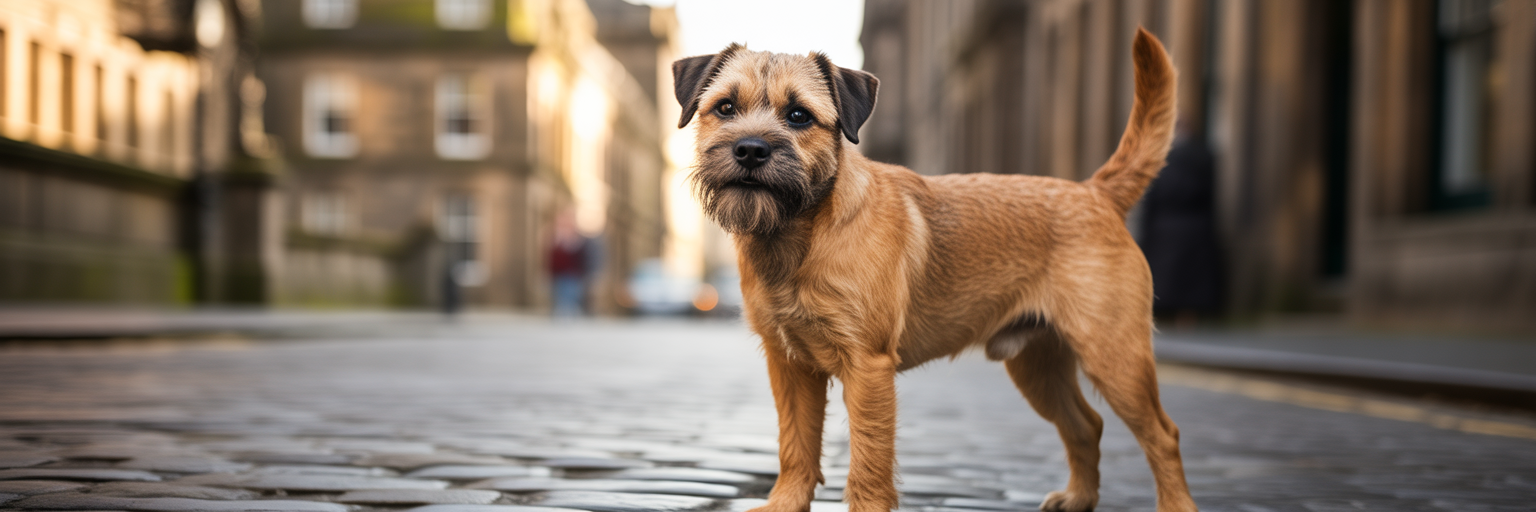
The first signs of high-quality work are visible right away. The coat should look neat but natural, not perfectly sculpted like a topiary hedge. A skilled groomer works with the dog's natural lines. The furnishings, such as the beard, eyebrows, and leg hair, should be expertly tidied and shaped with scissors, not shaved off with clippers. The length across the main body should be even, without any obvious patchy spots.
The real test, however, comes a few weeks later. As the new coat grows in, run your hand over your dog’s back. The new growth should feel harsh and wiry to the touch. This is the ultimate confirmation that the dead coat was properly removed, allowing a healthy new one to emerge. This is the texture you want to preserve.
Conversely, there are red flags that indicate a poor job. If the coat feels unusually soft or fluffy, it’s a strong sign that clippers were used instead of, or in addition to, hand-stripping. A patchy or uneven appearance that doesn't resolve after a week could indicate an inexperienced hand. If you suspect the hair was cut rather than pulled, the new growth will lack that essential wiry feel.
Don't hesitate to provide feedback to your groomer. A true professional will appreciate hearing what you liked and will be open to discussing any concerns. This open communication is the foundation of a great partnership with one of the expert hand stripping groomers Dundee has to offer, ensuring your dog’s coat stays healthy and beautiful for years to come.