
Dundee Winter Care for Thick Coated Dogs
The Winter Challenge for Thick-Coated Dogs
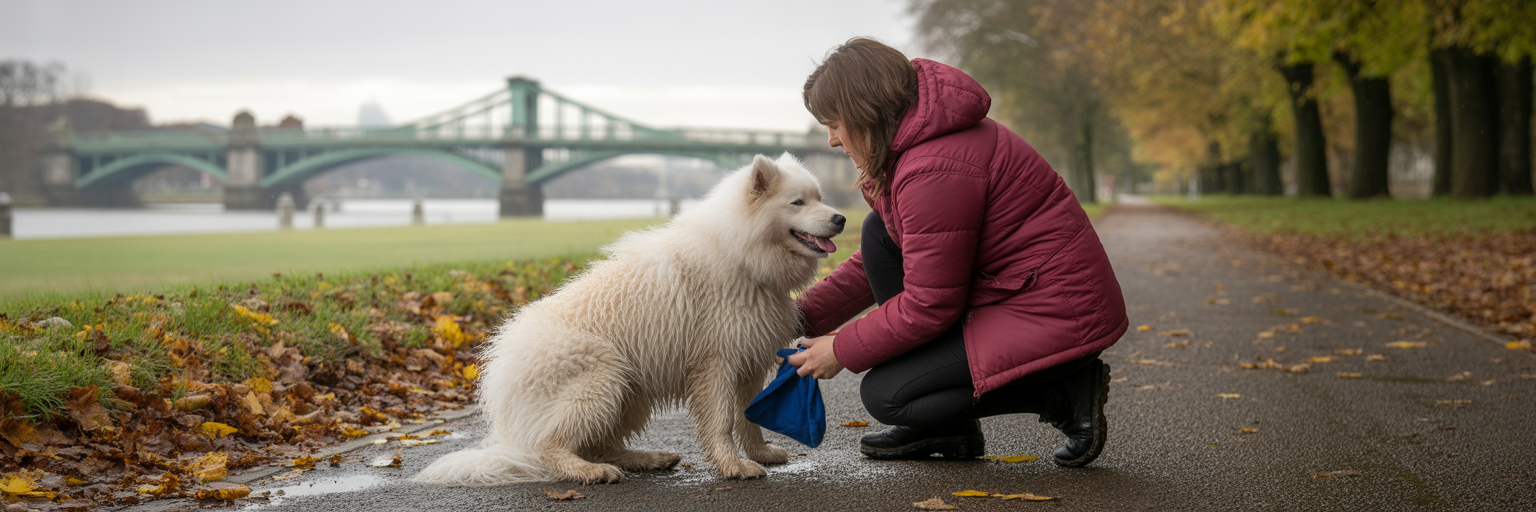
As the damp chill settles over Dundee, owners of dogs with thick, double coats often feel a sense of reassurance. That dense fur seems like the perfect natural defence against the biting winds along the Tay. Yet, this impressive coat, designed for arctic conditions, faces a unique set of challenges in our modern, centrally heated homes.
Understanding the Double Coat
Think of your dog's double coat as a personal, high-performance insulation system. It has two layers. The soft, dense undercoat acts as a thermal layer, trapping air to keep your dog warm. The longer, coarser outer guard hairs form a waterproof shell, repelling rain and snow. This combination is brilliant for consistent outdoor living, but it requires careful management when a dog constantly moves between different environments.
The Indoor Heating vs. Outdoor Cold Paradox
The real issue begins when your dog walks out of a warm, dry flat and into the cold, damp Scottish air. Central heating signals the body to shed the heavy winter undercoat, but the outdoor cold tells it to hold on. This conflicting information disrupts the natural shedding cycle. Instead of falling out, the dead fur gets trapped beneath the guard hairs, creating a dense, compacted layer that prevents air from reaching the skin. This is where the need for proper thick undercoat grooming becomes critical.
Risks of a Neglected Winter Coat
A compacted undercoat is more than just messy. It can lead to painful matting, where the fur tangles into tight, dense clumps. These mats pull relentlessly on the skin, causing constant discomfort. Worse, they trap moisture and prevent airflow, creating a warm, damp environment perfect for bacteria and yeast to thrive. This can lead to painful skin infections and hot spots, which are intensely itchy, inflamed patches of skin that your dog will likely lick and chew obsessively.
Impact on Comfort and Mobility
When matting becomes severe, it is no longer a simple cosmetic problem. The mats can become so tight and widespread that they form a restrictive 'pelt' around the dog's body. This can physically restrict movement, making it painful to walk, lie down, or even turn their head. What started as a neglected coat can quickly become a source of chronic pain and distress for your pet.
Why Professional Grooming is Essential in Winter
Faced with the challenges of a compacted undercoat, some owners hesitate, believing a dog needs its full coat for warmth. This common misconception can unfortunately make the problem worse. Professional grooming during winter is not about making a dog cold. It is about making their natural insulation work correctly.
Debunking the 'No-Groom' Myth
The belief that you should not groom a dog in winter is a persistent myth. A coat clogged with dead, matted fur cannot insulate properly. Air is the key insulator, and if it cannot circulate through the fur and reach the skin, the dog loses its ability to regulate its temperature. A professional groomer does not remove the healthy, insulating undercoat. Instead, they remove the dead, compacted fur, which allows the healthy coat to breathe and do its job effectively.
The Professional Advantage: Tools and Techniques
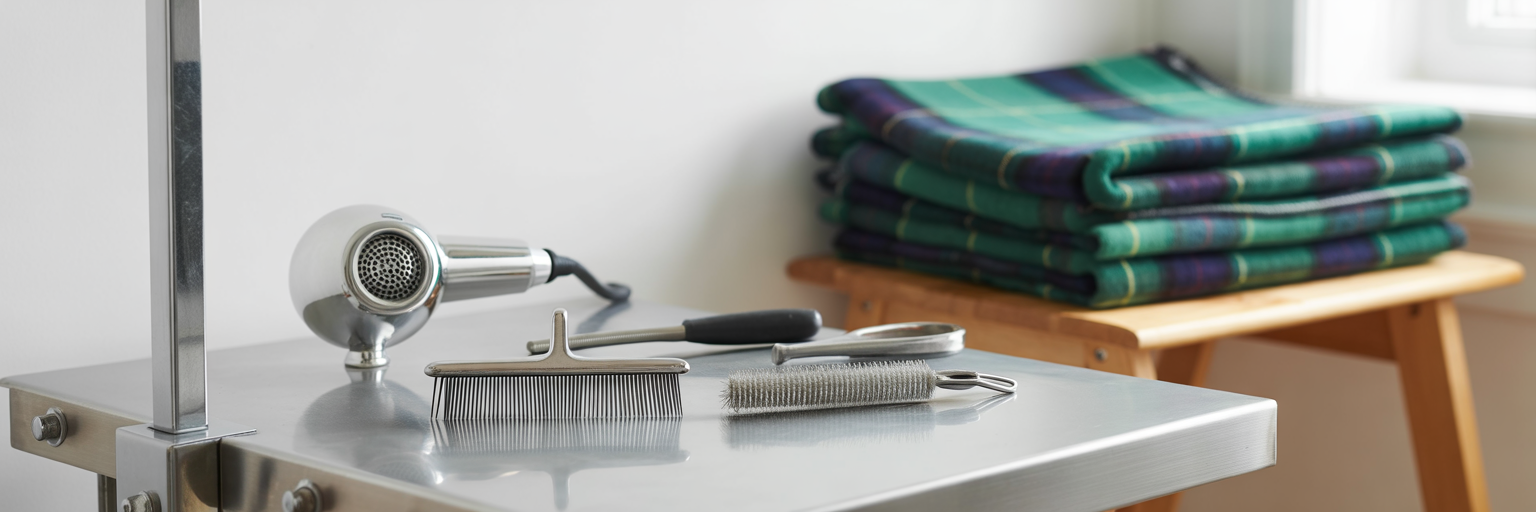
You might have a brush at home, but tackling a dense winter undercoat requires specialised equipment and, more importantly, the skill to use it. Professional groomers use tools like undercoat rakes, slicker brushes, and high-velocity dryers. That last one is particularly important. A high-velocity dryer uses powerful, unheated air to physically push trapped water and loose fur out of the coat. It is a technique that is impossible to replicate with a standard hairdryer and is essential for getting a thick coat completely dry and free of loose fur.
Expert Assessment of Skin and Coat Health
Beyond the tools, a professional groomer provides an expert eye. While you see your dog every day, a groomer is trained to spot subtle issues hidden beneath a dense coat. During a session, they can identify lumps, bumps, parasites, or the early signs of skin conditions that might otherwise go unnoticed until they become serious. Think of professional dog grooming Dundee not as a luxury, but as a vital part of your dog’s preventative healthcare routine, especially during the demanding Scottish winter.
Choosing a Dundee Groomer for Undercoat Care
Once you understand why professional help is necessary, the next step is finding the right person for the job. Not all groomers have the same level of experience with the specific demands of double-coated breeds. Asking the right questions can help you find a professional in Dundee who can safely and effectively manage your dog's winter coat.
Experience with Double-Coated Breeds
When you call a potential groomer, be direct. Ask about their experience with breeds like German Shepherds, Huskies, Golden Retrievers, or any breed with a similar dense coat. A confident groomer will happily discuss their approach. You want someone who understands that these coats should never be shaved but instead require careful de-shedding and maintenance.
Inquiring About De-Shedding Processes
Do not be afraid to ask for details. Good questions to ask include:
- What does your de-shedding process involve?
- What specific tools do you use for a thick undercoat?
- How do you ensure the dog is comfortable during the process?
Checking for Proper Equipment
For larger, double-coated breeds, the right equipment is a matter of safety and comfort. A professional salon should have sturdy, adjustable grooming tables and, ideally, a walk-in bath or shower. This prevents the need to lift a heavy, potentially nervous dog, reducing stress for everyone involved. A groomer like Casey's Groom Room on Brook Street is known for its fully equipped facilities, making it a strong candidate for owners seeking professional care for all breeds, big or small.
Using Local Directories for Informed Choices
Finding vetted professionals can feel overwhelming, which is where a curated directory becomes invaluable. Our platform simplifies the search. You can filter groomers by specific services, such as de-shedding treatment Dundee, or search by postal code to find an expert in your immediate area. This ensures you are connecting with groomers who are equipped and experienced in handling your dog's specific needs. For more detailed advice on what to look for, our guide on choosing the right dog groomer in Dundee can help you make a confident decision.
Key Grooming Services for Winter Coat Health
After you have selected a groomer, knowing which services to request is the final piece of the puzzle. Communicating your needs clearly ensures your dog gets the exact care required to stay comfortable and healthy throughout the winter. It is about more than just a simple bath and brush.
The De-Shedding Treatment Explained
A professional de-shedding treatment is a multi-step process designed to remove the dead undercoat safely and thoroughly. This is what makes a professional de-shedding treatment so effective at maintaining coat health. While methods vary slightly, the core process is consistent.
| Step | Action | Purpose |
|---|---|---|
| 1. Pre-Brush | Initial brushing with an undercoat rake or slicker brush. | To remove the outermost layer of loose fur and identify any existing mats. |
| 2. Loosening Bath | Washing with a specialized de-shedding shampoo. | To open up the hair follicles and cuticles, helping the trapped undercoat to slide out more easily. |
| 3. Deep Conditioning | Application of a de-shedding conditioner. | To hydrate the skin and coat, adding 'slip' to the fur to aid in removal and prevent breakage of guard hairs. |
| 4. High-Velocity Dry | Drying with a powerful, no-heat dryer. | The force of the air physically pushes the loosened undercoat out of the coat, a step impossible to replicate at home. |
| 5. Final Brush-Out | A thorough, final brush and comb through the entire coat. | To remove any remaining loose fur and ensure the coat is tangle-free, light, and airy. |
Note: This table outlines a typical professional process. The exact tools and products may vary between groomers, but the core principles of loosening, removing, and conditioning the undercoat remain the same.
The Importance of Light Trimming and 'Neatening'
For double-coated breeds, a winter groom should not involve a short haircut. However, a light trim or 'neatening' is highly beneficial. This involves tidying the longer hair, or 'feathering', on the legs, tail, and belly. It also includes trimming the fur around the paws and sanitary areas. This functional trim prevents mud, slush, and ice from clumping in these sensitive areas.
Essential Paw and Pad Care
Winter walks on gritted Dundee pavements can be harsh on a dog's paws. This makes professional dog paw care winter services essential. A groomer will carefully trim the fur growing between the paw pads, which prevents painful ice balls from forming. They can also check for any cracks or irritation caused by road salt and apply a protective paw balm to soothe and shield the pads.
Moisturizing Baths for Dry Skin
Just as central heating dries out our skin, it does the same to our dogs. A professional groomer can use high-quality, moisturizing shampoos and conditioners with ingredients like oatmeal or aloe vera. These products help combat the dry, flaky skin and dull coat that often develop during winter, leaving your dog’s skin hydrated and their coat healthy.
At-Home Maintenance Between Professional Grooms
A professional grooming session sets the foundation for a healthy winter coat, but what you do at home is just as important. Consistent maintenance prevents small tangles from turning into serious mats and reinforces the benefits of the professional groom. This is a key part of effective winter dog care Scotland.
Establishing a Consistent Brushing Routine
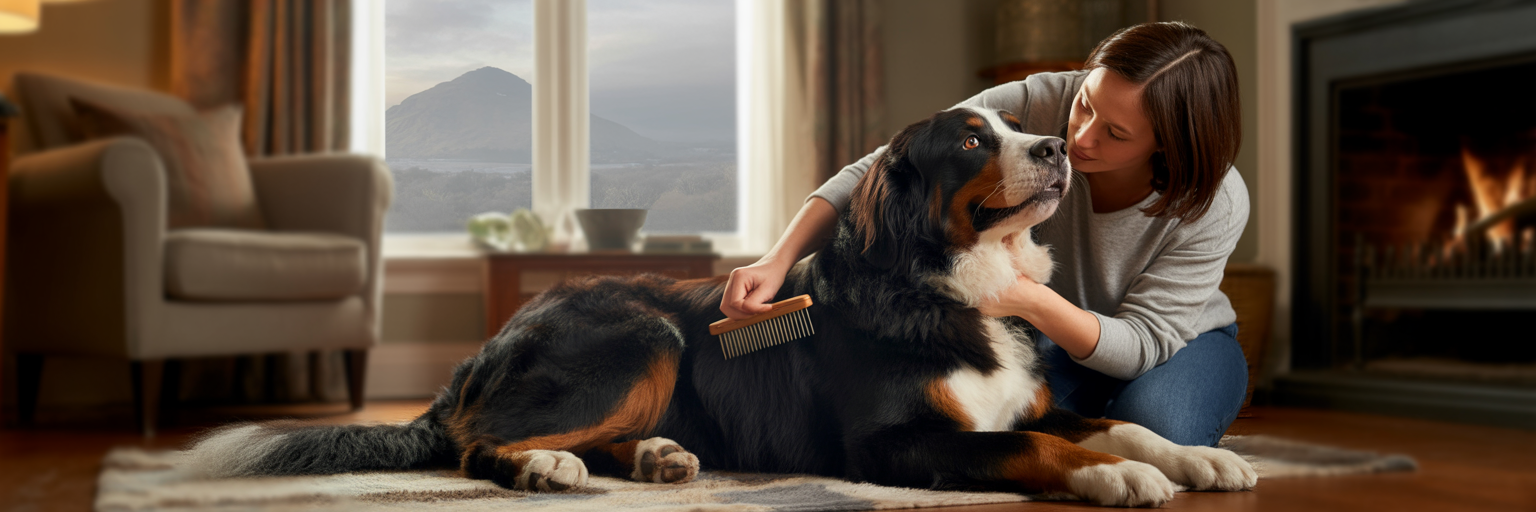
For a thick-coated dog, brushing two to three times a week is a realistic goal. Do not view this as a chore. Instead, frame it as a few minutes of quiet bonding time with your dog. Regular brushing not only maintains the coat but also allows you to check for any ticks, fleas, or skin issues. Consistency is more important than intensity. A few short sessions a week are far more effective than one long, stressful session every month.
Technique for Effective Brushing
Simply running a brush over the top of the coat does very little for a double-coated dog. You need to reach the dense undercoat where mats begin. The most effective method is 'line brushing'.
- Start at one area, like the back leg. Hold the fur up with one hand.
- With your other hand, use a slicker brush or undercoat rake to brush down a small section of fur from the 'line' where your hand is.
- Continue this process, moving your hand up gradually and brushing down in sections until you have covered the entire area.
- Once you can run a comb through the fur from the skin to the tip without snagging, you know the area is free of tangles.
Post-Walk Paw Cleaning
After every walk, especially on gritted streets, take a moment to clean your dog's paws. A simple wipe with a damp cloth is often enough to remove salt, grit, and other chemicals that can cause irritation or be ingested if your dog licks their paws. This small daily habit makes a huge difference in preventing cracked and painful pads. For extra dryness, using hydrating shampoos can help restore moisture, a point emphasized by pet care experts at TropiClean, who note the importance of combating dryness from indoor heating.
Common Winter Grooming Mistakes to Avoid
Knowing what to do is important, but knowing what not to do can save your dog from discomfort and potential harm. Many well-intentioned owners make simple mistakes that can compromise their dog's coat and health. Here are the most common errors to avoid.
- Shaving a Double Coat: This is the most critical mistake. Shaving a double-coated breed does not cool them down in summer or make them easier to manage in winter. It can cause permanent damage to the coat, as the soft undercoat may grow back faster than the protective guard hairs. This can ruin the coat's texture and its ability to insulate, leaving your dog more vulnerable to both cold and heat.
- Neglecting the Paws: Forgetting to check and clean paws after winter walks is a common oversight. The fur between the pads can quickly collect ice and de-icing salts, leading to painful sores and chemical burns. Regular checks and cleaning are non-negotiable.
- Bathing Without Proper Drying: Giving a thick-coated dog a bath at home without a high-velocity dryer is risky. If the dense undercoat remains damp, it can lead to skin fungus, hot spots, and chilling. A coat that feels dry on the surface can still be wet close to the skin. Never bathe a double-coated dog unless you can dry it completely.
- Waiting Until It's Too Late: Procrastination is the enemy of a healthy coat. Many owners wait until the fur is severely matted before seeking professional help. At this point, the groomer's only humane option is often a full shave-down to get under the mats and relieve the dog's pain. Regular grooming prevents this drastic and stressful outcome.
Preparing Your Dog for a Stress-Free Grooming Visit
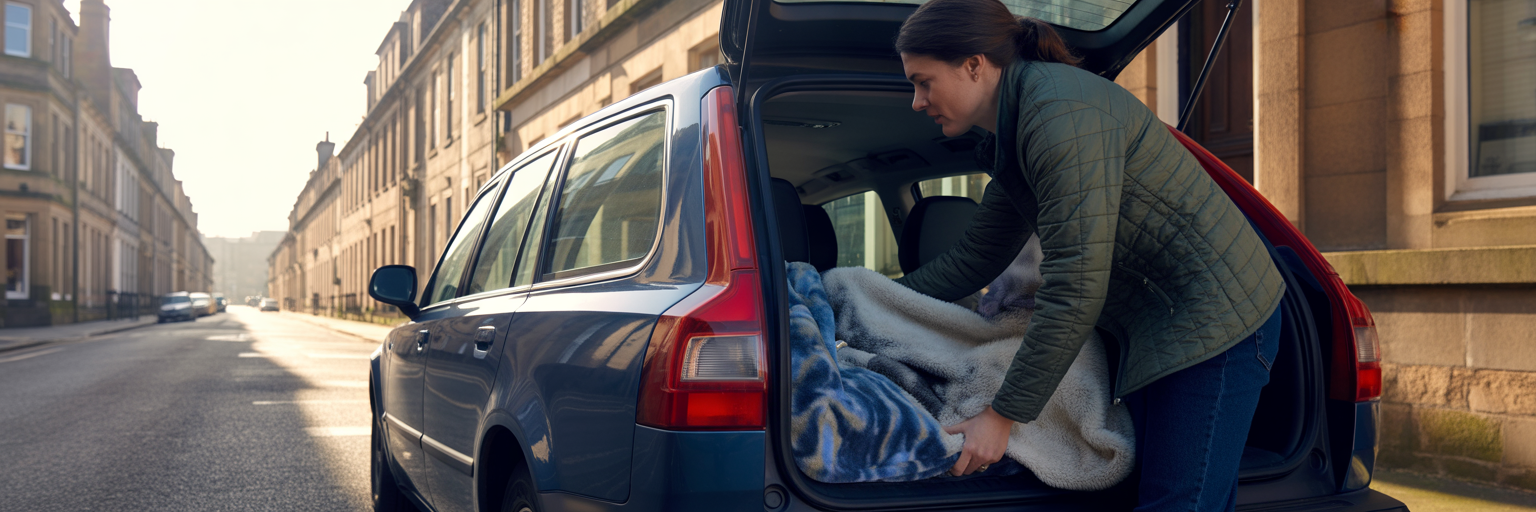
The grooming experience should be a positive one for your dog. A little preparation can make a significant difference in reducing anxiety for both you and your pet, helping to build a trusting relationship with your groomer. A calm dog allows the groomer to do their best work safely and efficiently.
- Practice Handling at Home: In the days leading up to the appointment, spend a few minutes each day gently handling your dog's paws, ears, and tail. Give them praise and a treat for calm behaviour. This desensitizes them to being touched in the ways a groomer will, making the actual experience less surprising.
- Go for a Good Walk: A tired dog is often a more relaxed dog. A brisk walk before the appointment helps burn off excess energy and anxiety, meaning they are more likely to be calm and settled on the grooming table. Avoid rushing straight from the car into the salon.
- Communicate Clearly with Your Groomer: You know your dog best. Be sure to inform the groomer about your dog's temperament, any anxieties they have, known sensitive spots, or past negative experiences. This information is invaluable and allows the groomer to tailor their approach to your dog's specific needs.
- Keep Your Demeanour Calm: Dogs are incredibly perceptive and can sense your anxiety. If you are nervous about leaving them, they will be nervous too. Hand them over to the groomer with quiet confidence. Your calm energy tells your dog that this is a safe and normal situation.