
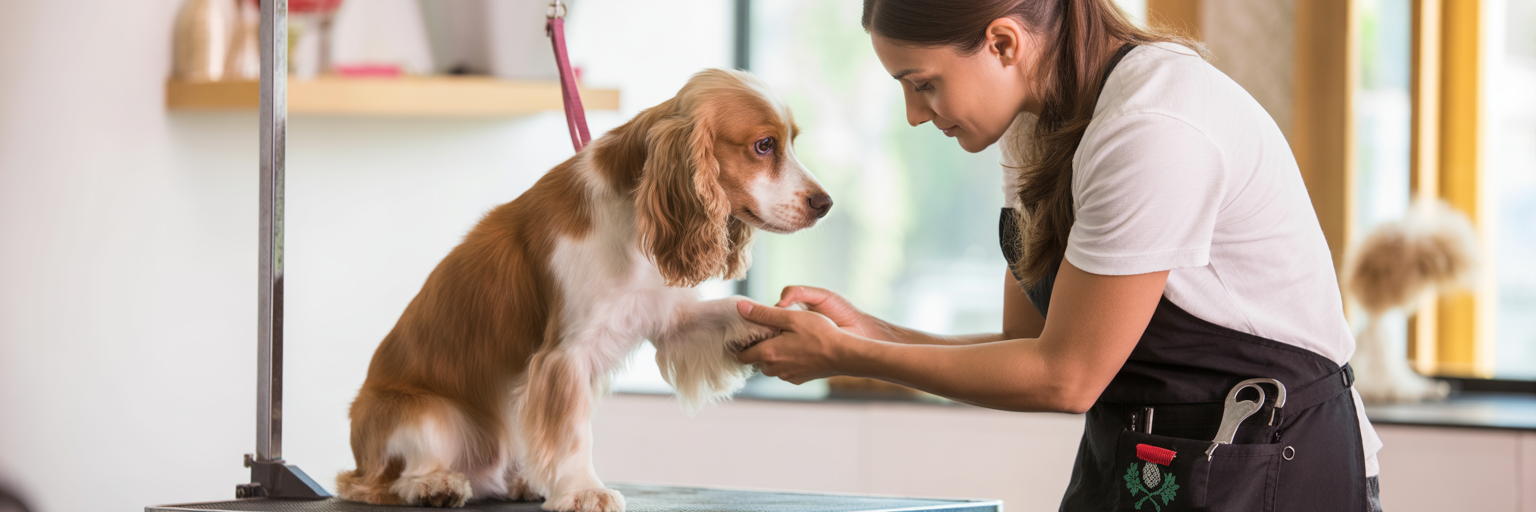
Dundee's Guide to Calm Grooming for Anxious Dogs
Understanding Why Grooming Can Be Stressful for Your Dog
That feeling of dread before a grooming appointment is something many dog owners in Dundee know all too well. You see your dog start to tremble the moment you pick up the lead, and your own stress levels begin to rise. It is a frustrating and often upsetting experience, but it is important to know you are not alone in this. This reaction is not a reflection of your dog being difficult. It is a genuine expression of fear.
To understand your dog's anxiety, we need to consider the grooming salon from their perspective. It is an environment of intense sensory overload. The high pitched whine of dryers, the unfamiliar scent of shampoos, and the strange vibration of clippers against their body can be overwhelming. For many dogs, the simple act of being handled by a stranger or gently restrained on a table triggers a primal fight or flight response. This is often compounded by separation anxiety, as they are left in an unfamiliar place without their trusted human.
Recognising the signs of stress is the first step toward helping your dog. Some signals are easy to miss, while others are unmistakable. These are some of the most common nervous dog grooming tips to watch for:
- Subtle Cues: These are the quiet whispers of anxiety. They include excessive yawning when not tired, frequent lip licking, showing the whites of their eyes in a 'whale eye' expression, or a suddenly tense body posture.
- Overt Signals: These are the clear shouts for help. Obvious signs include trembling or shaking, tucking their tail between their legs, attempting to hide or escape, low growling, or even snapping.
It is critical to reframe your thinking. A dog exhibiting these behaviours is not wilfully misbehaving or being stubborn. They are communicating fear in the only way they know how. Their reactions are involuntary, driven by an instinct to protect themselves from a perceived threat. Understanding this distinction is the foundation for finding a patient and compassionate grooming solution that prioritises their emotional wellbeing over a perfect haircut.
Essential Qualities of an Anxiety-Aware Groomer
Once you understand the triggers behind your dog's fear, the next step is to find a professional who is equipped to manage them. An anxiety-aware groomer does more than just cut hair. They create an environment that actively works to reduce stress. This is not about finding someone who will simply tolerate an anxious dog, but someone whose entire approach is built around providing calm dog grooming services.
The Importance of a Calm and Patient Demeanour
Dogs are incredibly attuned to human emotions. A groomer who is rushed, frustrated, or nervous will transfer that energy directly to your pet, escalating their fear. The most important quality to look for is a calm and patient demeanour. A handler who moves slowly, speaks in a soft voice, and projects confidence provides a sense of security. They understand that building a little trust is more important than sticking to a rigid schedule. This calm authority tells your dog that they are in a safe place with a capable leader.
The Benefits of a Controlled, One-on-One Environment
Many traditional grooming salons can feel chaotic. The sound of multiple dryers, constant barking, and a steady stream of people and dogs can be a recipe for sensory overload. In contrast, a groomer who offers a controlled, one-on-one environment can make a world of difference. This often means they work from a smaller studio or schedule appointments so that only one dog is in the salon at a time. This simple change eliminates the stressor of other dogs and creates a quiet, predictable atmosphere where your dog can feel more secure.
Specialised Equipment for a Quieter Experience
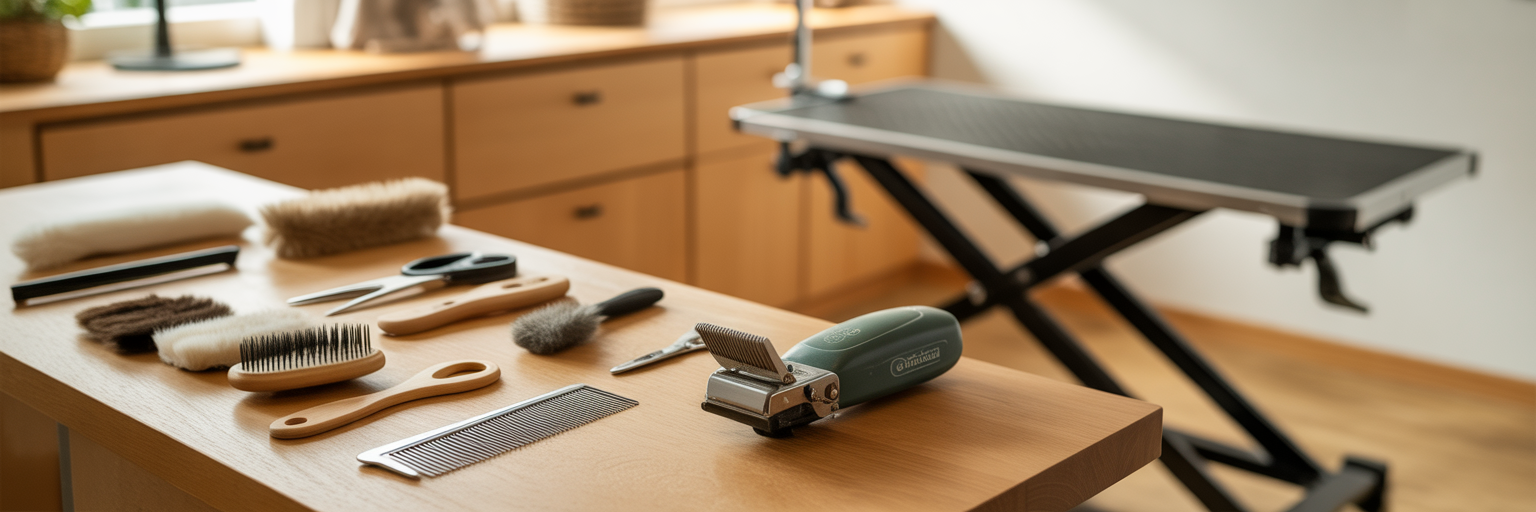
The tools of the trade can be a major source of fear. The loud roar of a high velocity dryer or the vibration of clippers can be terrifying. A groomer committed to low stress handling invests in specialised equipment designed to minimise these triggers. Look for professionals who use low noise clippers and variable speed dryers, which can be turned down to a gentle hum. Some even use 'happy hoodies' that gently cover a dog's ears to muffle sound. Hydraulic or electric grooming tables that lower to the ground are another excellent feature, as they eliminate the need to lift a nervous dog, which can make them feel vulnerable and insecure.
Ultimately, the best groomers are excellent communicators. They will ask you detailed questions about your dog's history, triggers, and past experiences. They should also welcome the idea of a preliminary 'meet and greet' visit, allowing your dog to sniff around and meet them without the pressure of a full groom. This open dialogue is the hallmark of a true professional dedicated to your dog's welfare.
How to Prepare Your Dog for a Successful Grooming Visit
While finding the right groomer is essential, your work at home is just as important. You can play a significant role in reshaping your dog's perception of grooming from a scary event into a manageable one. This preparation is your homework, and it empowers you to be an active partner in your dog's wellbeing. The goal is to slowly build positive associations and reduce anxiety long before you arrive at the salon.
The most effective tool in your arsenal is desensitisation. This process involves introducing grooming related stimuli in a controlled, positive way. It requires patience, but the payoff is a more confident dog. Here is a simple plan to get started:
- Introduce the Tools: Let your dog sniff the clippers while they are turned off. Reward them with a high value treat for calm curiosity. Do the same with brushes and nail clippers.
- Practice Gentle Handling: Briefly and gently touch your dog's paws, ears, and tail, areas they might be sensitive about. Follow each touch immediately with praise or a treat. Keep these sessions short, just a few seconds at first.
- Simulate the Sounds: Turn the clippers or a hairdryer on for a second in another room, then reward your dog. Gradually decrease the distance over many sessions, always pairing the sound with something positive.
The science behind pre-grooming exercise is simple but effective. A long walk, a game of fetch, or a run at the park before the appointment helps burn off excess energy and stress hormones like cortisol and adrenaline. A physically tired dog is a more mentally relaxed dog, making them less likely to react with high levels of anxiety. Think of it as setting their mind and body up for success.
Creating positive associations is key to rewiring your dog's brain. Designate a special, irresistible treat or a favourite toy that is used only for grooming practice and on the way to the appointment. This helps them connect the car ride and the grooming process with a highly anticipated reward. As we explain in our guide on positive reinforcement, this method works by building a foundation of trust and cooperation. You can learn more about why positive methods work best in our detailed article.
Finally, do not underestimate the power of a detailed pre-appointment conversation with your groomer. This is not a casual chat. It is a critical transfer of information. Be completely honest about your dog's triggers, what has caused reactions in the past, and the specific things you have been working on at home. This allows the groomer to create a tailored plan for your dog from the moment they walk through the door.
Vetting and Choosing a Grooming Salon in Dundee
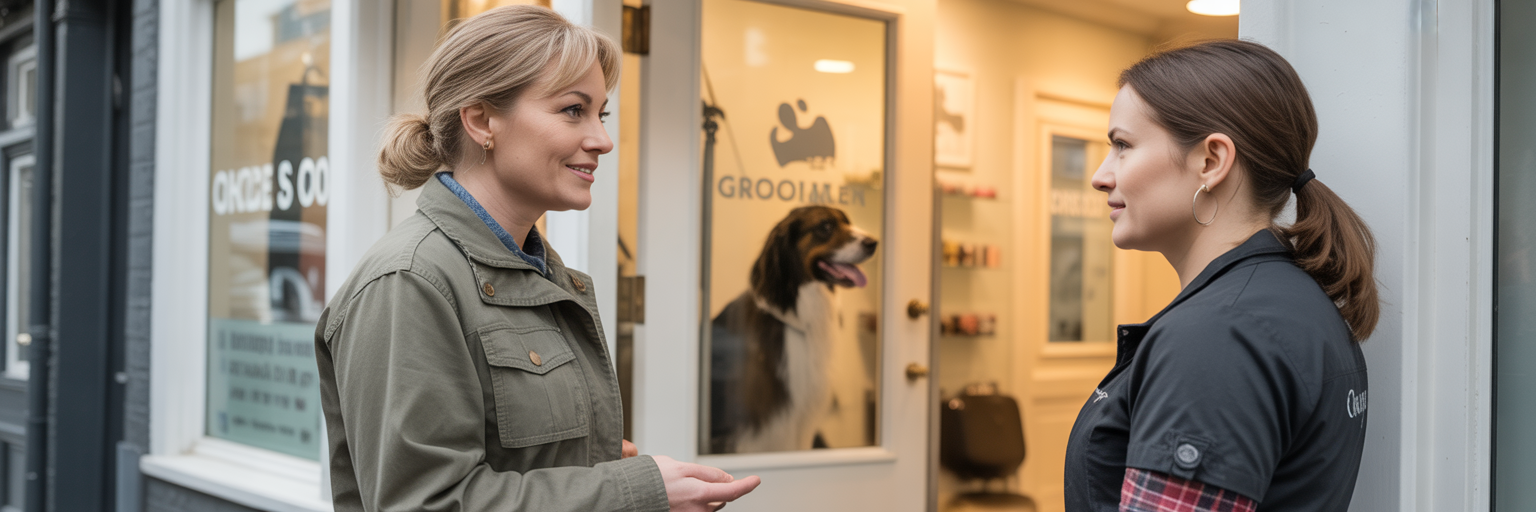
Finding the right professional in Dundee requires more than a quick online search. It involves careful vetting to ensure the salon's philosophy and environment align with your dog's needs. This is your chance to be a detective for your pet, seeking out the tangible signs of a truly anxiety aware practice.
Your first step should be to visit a potential salon, but leave your dog at home. This allows you to observe without distraction. What is your first impression of the atmosphere? Is it calm, clean, and organised, or is it loud, chaotic, and filled with barking? Trust your gut instinct. If the environment feels stressful to you, it will certainly be stressful for your anxious dog. Look for features that demonstrate a commitment to comfort. For example, some Dundee groomers like Kutz 4 Mutz utilise electric, silent tables to reduce fear, while Casey's Groom Room explicitly states its focus on a stress free environment. These are the kinds of tangible commitments you should be looking for when seeking anxious dog grooming Dundee.
To make this process less intimidating, it helps to have a structured list of questions. A good groomer will welcome your diligence and be happy to provide detailed answers. This conversation is the best way to gauge their experience and approach.
| Question | What to Listen For (Green Flags) | Why It Matters |
|---|---|---|
| What is your experience with anxious dogs? | Specific examples of techniques used, stories of successful outcomes, and an understanding of canine body language. | Demonstrates genuine expertise, not just a willingness to try. They should be able to articulate their approach. |
| Do you offer one-on-one appointments? | A clear 'yes' or an explanation of how they manage the environment to keep it calm and quiet. | Minimises exposure to common stressors like other dogs, loud barking, and a chaotic atmosphere. |
| What is your procedure if a dog becomes too stressed to continue? | They will stop the groom, contact you immediately, and prioritise the dog's welfare over finishing the haircut. | Shows their commitment to 'humanity over vanity' and ensures your dog's safety and emotional well-being. |
| Can you provide breaks during the session? | An enthusiastic 'yes.' They should see breaks as a standard part of the process for nervous dogs. | Allows the dog to decompress, preventing stress from escalating to an unmanageable level. |
| What type of drying equipment do you use? | Mention of variable-speed 'fluff' dryers, happy hoodies, or towel drying first. Avoidance of high-velocity or cabinet dryers. | Loud, high-powered dryers are a major source of fear. A groomer who invests in quieter options understands this. |
When reading online reviews, look beyond the star ratings. Search for testimonials that use keywords like 'patient', 'gentle', 'kind', or specifically mention how the groomer handled a 'nervous dog'. These personal stories often provide more insight than a simple five star score. As the RSPCA highlights, asking about qualifications and emergency procedures is also a key part of responsible ownership. This thorough vetting process is covered in more detail in our broader guide on choosing the right dog groomer in Dundee, which provides a foundational checklist to help you make the best choice for your companion.
Advanced Calming Methods in Modern Pet Grooming
The field of pet grooming is continually advancing, with a growing emphasis on animal psychology and welfare. The best groomers view handling anxious dogs not as a problem, but as a specialised skill. They employ sophisticated techniques that go beyond basic patience and are rooted in an understanding of canine behaviour. These methods are part of a wider professional movement, with many stress-free dog groomers Scotland wide, from Dundee to Edinburgh, seeking formal education in this area.
Two of the most effective techniques are desensitisation and counter-conditioning. In a professional setting, this might involve a groomer turning the clippers on and off at a distance while tossing treats to the dog, creating a positive association with the sound. Or they might gently touch a paw with a nail grinder for a split second and then immediately offer a high value reward. This process slowly changes the dog's emotional response from 'that thing is scary' to 'that thing predicts a treat'.
Beyond handling techniques, many modern salons incorporate calming aids into the environment. You might see plug-in pheromone diffusers, such as Adaptil, which release a synthetic version of the calming pheromone a mother dog produces for her puppies. Some play calming music specifically composed at a frequency that is soothing for dogs. Others use gentle pressure wraps or shirts, which apply constant, mild pressure to the dog's torso, having a similar calming effect to swaddling an infant. These tools show a holistic approach to creating a tranquil space.
It is important, however, to maintain a balanced perspective. While these methods are incredibly supportive and can make a huge difference for dogs with mild to moderate anxiety, they are not a magic cure. For dogs with severe phobias, a history of trauma, or aggression stemming from fear, these techniques are part of a larger puzzle. In these cases, the most responsible step is to consult with your veterinarian or a certified animal behaviourist. They can help create a comprehensive treatment plan, which may include behaviour modification therapy or medication, to address the root cause of the fear. A great groomer will support this and work as part of your dog's wider care team.
Building a Long-Term Partnership for Stress-Free Grooming
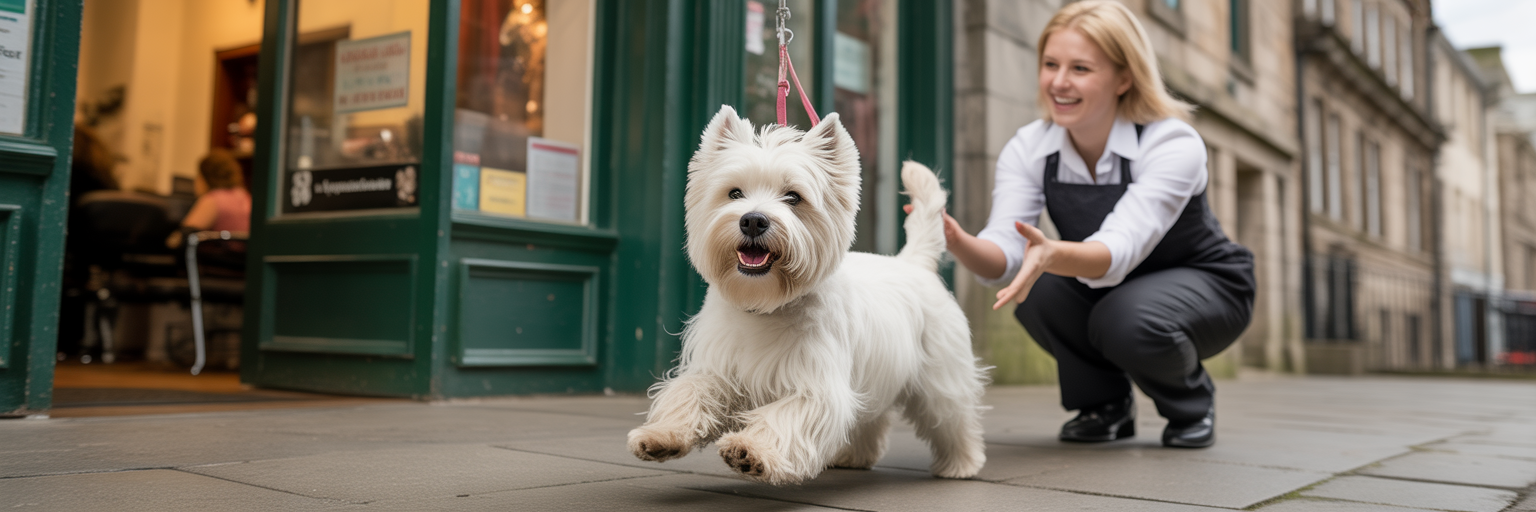
The ultimate goal is not just to survive a single grooming appointment, but to transform grooming into a manageable and predictable part of your dog's life. This is a long term process built on consistency, communication, and partnership with the right professional. Finding the right person for Dundee pet grooming for anxiety is the start of a journey, not the end.
Once you find a groomer who understands your dog, sticking with them is vital. For an anxious animal, predictability is a powerful antidote to fear. Returning to the same person, the same space, and the same gentle routine builds a bond of trust. Your dog learns what to expect, and the groomer learns your dog's unique quirks and thresholds, allowing them to tailor each session for success. This consistency reduces the number of variables that can trigger anxiety.
Consider adopting a 'little and often' strategy. Instead of waiting until your dog is overdue for a full groom, schedule more frequent, shorter appointments. A quick visit for just a nail trim or a face tidy can be far less overwhelming than a two hour session. These mini appointments keep your dog habituated to the salon environment and the groomer's handling, reinforcing it as a safe and normal place. It breaks the cycle of grooming only being associated with an intense and prolonged experience.
This journey is a collaborative effort, and a strong feedback loop is essential. After each appointment, have a quick, honest chat with your groomer. What went well? Did your dog show less stress around the dryer this time? Was there a particular spot they were still sensitive about? This open dialogue allows the groomer to refine their approach for the next visit. It turns each session into a learning opportunity, allowing you to make gradual progress together.
Finally, remember to celebrate the small victories. Did your dog walk into the salon willingly? Did they tolerate the clippers for ten seconds longer than last time? These moments are significant milestones. Acknowledging and celebrating this progress reinforces the positive journey for both you and your dog. It reframes the goal from simply enduring the experience to actively building a more confident and comfortable future together.