
Caring for Your Double Coated Dog in a Dundee Summer
Many dog breeds, from Siberian Huskies to Golden Retrievers, evolved with a double coat as a sophisticated adaptation to harsh climates. This natural engineering is often misunderstood, especially when the weather warms up. As summer arrives in Dundee, many well-intentioned owners reach for the clippers, believing they are helping their dog cool down. However, this common impulse can do more harm than good.
The Protective Power of a Double Coat
Before we discuss how to manage your dog’s coat, it is essential to understand its remarkable design. This isn't just a random collection of fur; it's a highly efficient system that has protected dogs for centuries. Thinking of it as just a winter blanket is a common mistake that overlooks its crucial role in summer comfort and safety.
Deconstructing the Double Coat
A double coat consists of two distinct layers, each with a specific job. Think of the soft, dense undercoat as thermal wear. It’s designed to trap air, providing insulation against both cold and heat. The top layer, made of longer, coarser guard hairs, acts like a waterproof jacket. It repels moisture, dirt, and shields the skin from the sun's harmful UV rays. These two layers work together to create a personal climate control system for your dog.
A Natural Climate Control System
It seems counterintuitive, but that thick undercoat is just as important in summer as it is in winter. The air trapped within the dense fur acts as a buffer, slowing down the rate at which external heat reaches the skin. This allows your dog to maintain a more stable body temperature. When you shave this coat, you remove this natural insulation, exposing their skin directly to the sun and heat, which can increase their risk of overheating.
Dundee's Humidity Factor
The specific climate in Dundee adds another layer of complexity. The damp air, often rolling in from the River Tay, makes it difficult for moisture to evaporate. For a double-coated dog, this means a dense undercoat that isn't properly maintained can become a swampy environment. Trapped moisture against the skin, combined with summer warmth, creates the perfect breeding ground for bacteria and fungi, leading to painful skin infections and hot spots.
The Dangers of Shaving
Shaving a double-coated dog is one of the most significant mistakes an owner can make. It permanently damages the coat's texture and function. The coarse guard hairs grow much slower than the fluffy undercoat, and in many cases, they never grow back properly. This results in a patchy, uneven coat that has lost its protective qualities. Shaving also removes the dog's primary defence against sunburn and skin cancer, leaving them vulnerable. Proper grooming double coated dogs is about maintenance, not removal.
Mastering the Deshedding Process
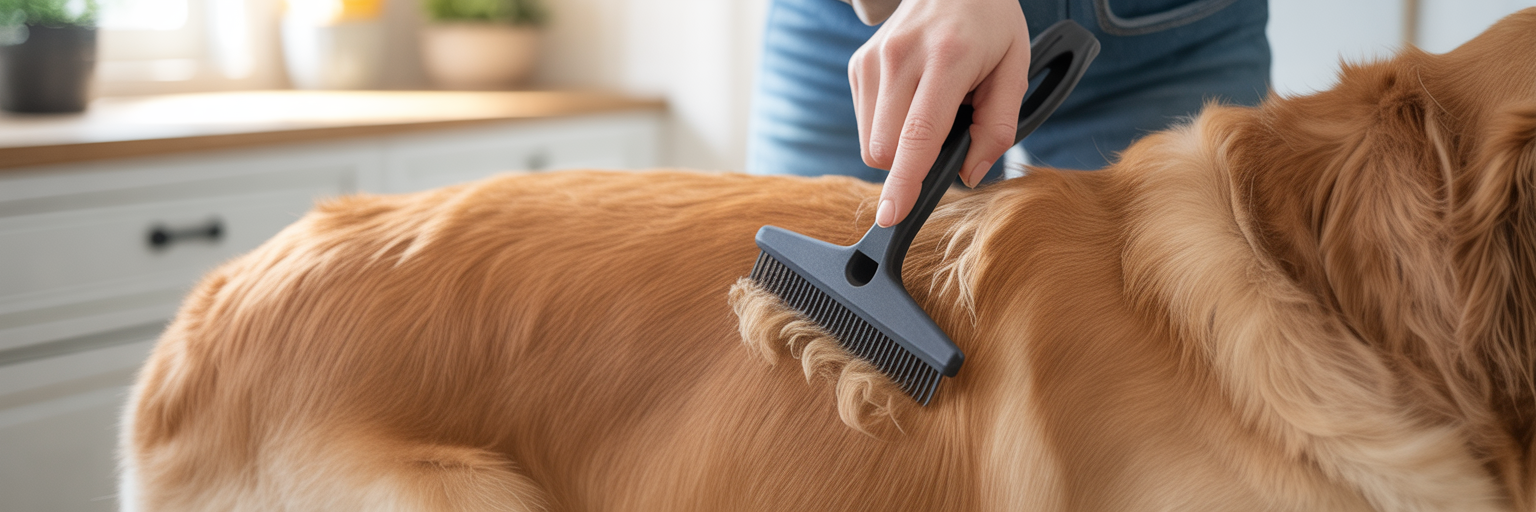
Now that we understand why the double coat is so important, we can focus on the most effective way to care for it during a humid Dundee summer: removing the dead, loose undercoat. This process, known as deshedding, is the key to keeping your dog comfortable, healthy, and cool. It allows air to circulate freely down to the skin while preserving the protective topcoat.
Understanding the Shedding Cycle
Shedding is not a sign of a problem; it's a natural, healthy process. Dogs typically shed their dense winter undercoat in the spring to make way for a lighter summer version. This seasonal "coat blow" can feel overwhelming, with clumps of fur appearing all over your home. Your goal isn't to stop the shedding but to manage it by removing the loose fur before it has a chance to become impacted and form mats.
The Line Brushing Technique
Knowing how to deshed a dog effectively comes down to technique. Line brushing is a systematic method that ensures you reach all the way to the skin, removing the undercoat that standard surface brushing misses. Here’s how to do it:
- Start at your dog's neck or rear, an area where they are comfortable being brushed.
- With one hand, part the hair horizontally so you can clearly see the skin.
- Using an undercoat rake or slicker brush, gently brush the hair down, away from the part you created.
- Once that small section is clear of loose fur, move the parting up about an inch and repeat the process.
Work in small, manageable sections across your dog's entire body. This methodical approach prevents you from simply gliding over the top of a thick coat.
Establishing a Summer Brushing Schedule
Consistency is far more effective than occasional, marathon grooming sessions. During the peak shedding season of a Dundee summer, aim for two to three brushing sessions per week, each lasting around 15 to 20 minutes. This regular maintenance prevents the undercoat from building up and becoming compacted, making each session easier for both you and your dog.
Preventing Mats and Hot Spots
Regular deshedding is a critical health practice. When loose undercoat is not removed, it tangles with the surrounding fur to form tight mats. These mats pull painfully on the skin and, more dangerously, trap moisture and heat. This creates an ideal environment for hot spots, which are acute, moist patches of inflamed and infected skin. While home brushing is essential, a professional service can provide a much deeper clean. A professional dog de-shedding treatment we offer can remove significantly more undercoat than home tools, making summer management much easier.
Bathing and Drying for Humid Conditions
Washing a double-coated dog is more than just a quick scrub. In Dundee's humid climate, a bath that isn't followed by a thorough drying process can create more problems than it solves. The goal is to clean the skin and coat without leaving behind trapped moisture that can lead to skin issues.
Choosing the Right Shampoo
It can be tempting to use whatever soap you have on hand, but human shampoos are not suitable for dogs. A dog's skin has a different pH balance than human skin, and our products can strip their natural oils, leading to dryness, irritation, and itchiness. Always use a high-quality shampoo specifically formulated for dogs. For double-coated breeds, a deshedding or conditioning shampoo can help loosen the undercoat, making the post-bath brush-out more effective.
The Importance of a Thorough Rinse
Shampoo residue is a common cause of skin irritation. Because double coats are so dense, it takes extra effort to ensure all the soap is washed out. Our advice is simple: rinse until you are certain all the soap is gone, and then rinse for another two minutes. Work your fingers deep into the coat to help the water penetrate all the way to the skin, ensuring no suds are left behind to cause discomfort.
Why Air-Drying Is Not Enough
Here is a critical piece of advice for dog owners in our region: do not let your double-coated dog air-dry. This is one of the most common mistakes we see. In Dundee's damp air, a dense undercoat can remain wet for over 24 hours. This prolonged dampness right against the skin creates a perfect incubator for fungal and bacterial growth, leading to skin infections, yeast problems, and the dreaded hot spots. What seems like a natural drying method is actually a significant health risk in our climate.
The Role of the High-Velocity Dryer
The solution is a high-velocity dryer. It's important to understand that these are not hairdryers. They don't use high heat, which could burn a dog's skin. Instead, they blast air at a high speed to force water off the coat and skin. This method not only dries the dog completely but also helps to blow out a significant amount of loose, dead undercoat that was loosened during the bath. For owners of double-coated dogs, a high-velocity dryer is an essential tool for preventing moisture-related skin problems during a humid summer.
Your Essential Double Coat Grooming Toolkit
Walking into a pet store can be overwhelming, with walls of different brushes, combs, and tools. For double-coated dogs, you don't need a dozen different gadgets. You just need a few key items that do their specific jobs correctly. Having the right tools makes grooming quicker, more effective, and far more comfortable for your dog.
The Undercoat Rake
This is your primary tool for removing large volumes of dead undercoat. An undercoat rake has long, sturdy teeth that reach deep into the coat to grab the loose, fluffy fur without damaging the topcoat. It's particularly effective on breeds with very thick, dense coats. Finding the best brush for a Husky, Malamute, or German Shepherd often starts with a high-quality undercoat rake.
The Slicker Brush
After you've removed the bulk of the undercoat with a rake, the slicker brush comes in for the finishing work. Its fine, short wires are excellent for removing tangles, debris, and any remaining loose fur from the topcoat. It also helps to smooth the coat and distribute natural oils. Look for a slicker brush with protected tips to prevent scratching the dog's skin, a condition known as "brush burn."
The Greyhound Comb
This simple-looking metal comb is your quality control tool. After you think you're finished brushing with the rake and slicker, run a greyhound comb through the coat. It should glide through easily from the skin to the tips of the hair. If it snags, you've found a tangle or a small mat that needs more attention. It’s the perfect final check to ensure the coat is completely free of blockages.
Distinguishing Grooming Tools
It is vital to distinguish between tools that remove loose fur and those that cut fur. Rakes, slicker brushes, and combs are designed to remove dead hair. Blade-style tools, often marketed as deshedding tools, use a blade to cut through the undercoat. We strongly advise against these for home use, as they can easily damage the protective guard hairs, undoing all your hard work and compromising the coat's integrity.
| Tool | Primary Function | Best For | Pro-Tip |
|---|---|---|---|
| Undercoat Rake | Removing large volumes of dead undercoat | Thick, dense coats (Huskies, Malamutes, German Shepherds) | Use with gentle, short strokes in the direction of hair growth to avoid pulling. |
| Slicker Brush | Removing tangles, debris, and loose fur from the topcoat | Finishing after using a rake; general brushing on less dense coats | Choose one with protected tips and use a light hand to prevent 'brush burn' on the skin. |
| Greyhound Comb | Checking for remaining mats and tangles after brushing | All double-coated breeds as a final check | If the comb doesn't glide through the coat easily, go back to the slicker or rake. |
Holistic Summer Wellness for Your Dog in Dundee
Proper grooming is the foundation of summer care, but keeping your dog safe and happy involves more than just brushing. These holistic summer dog care tips Dundee residents can use will help ensure your companion enjoys the warmer months safely.
Hydration and Cooling Strategies
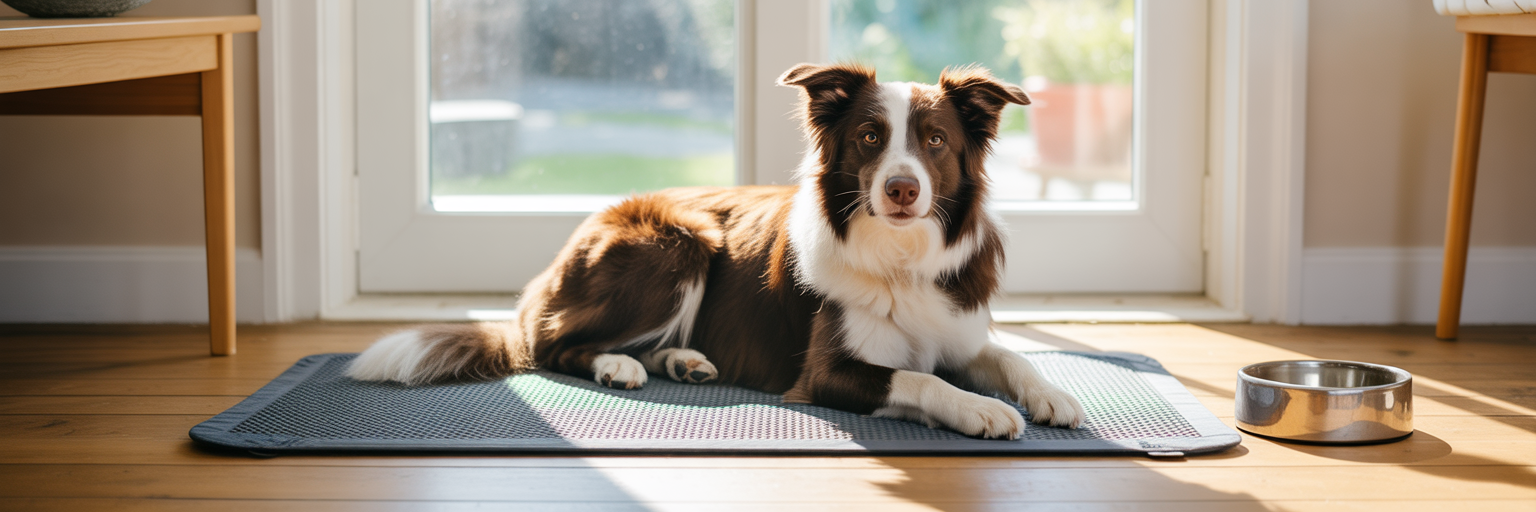
Always ensure your dog has access to fresh, cool water, especially after a walk. On particularly warm days, you can add ice cubes to their water bowl or offer them frozen treats like a stuffed Kong. Cooling mats can also provide a comfortable spot for them to rest indoors. Never leave your dog in a car, not even for a minute, as temperatures can rise to dangerous levels with shocking speed.
Smart Exercise Schedules
Adjust your walking routine to avoid the hottest parts of the day. Instead of a midday walk, opt for an early morning stroll in Camperdown Park before the air gets heavy, or a late evening walk along Broughty Ferry beach when a breeze comes off the Tay. These cooler times are much safer and more comfortable for your dog.
Recognising the Signs of Heatstroke
It is crucial to know the dog overheating symptoms so you can act quickly. Heatstroke can be fatal, and recognising the early signs is key. Look out for:
- Heavy, frantic panting
- Excessive drooling with thick, sticky saliva
- Bright red gums and tongue
- Dizziness, stumbling, or disorientation
- Vomiting or diarrhoea
- Collapse or seizure
For detailed guidance on what to do in an emergency, a trusted source like the RSPCA outlines the immediate first-aid steps to take while you contact a vet.
Paw Protection on Warm Surfaces
Pavements, tarmac, and even sand can become incredibly hot in direct sunlight and can easily burn your dog's paw pads. Use the "five-second test": place the back of your hand on the surface for five seconds. If it's too hot for you, it's too hot for your dog's paws. Stick to grassy areas during the warmest parts of the day.
Partnering with a Professional Dundee Groomer
While consistent home care is essential, there are times when the expertise of a professional groomer is invaluable. Knowing when to seek professional help can save you time, prevent stress for your dog, and ensure their coat remains in optimal condition throughout the summer.
Addressing Severe Matting Safely
If you discover a severe mat in your dog's coat, please do not try to cut it out with scissors. Mats can be pulled very tight against the skin, and it is incredibly easy to cut the skin by mistake, resulting in a painful injury and an emergency trip to the vet. Professional groomers have the right tools and experience to remove mats safely without harming your dog.
The Professional 'Coat Blow Out'
A key advantage of a professional groom is the equipment. The high-velocity dryers used in a salon are far more powerful than home-use models. This "coat blow out" can remove a tremendous amount of trapped undercoat quickly, safely, and more thoroughly than brushing alone. This service is particularly beneficial at the start of summer to get ahead of the heavy shedding season.
Expertise for Specific Breeds
Different double-coated breeds have unique grooming needs. The dense, cottony coat of a Samoyed requires a different approach than the coarse coat of a German Shepherd. Experienced groomers understand these nuances and can tailor their techniques and tools to your dog's specific breed, ensuring the best possible care for their coat and skin.
Finding the Right Local Professional
When looking for a groomer, you want someone with experience, positive reviews, and a clean, safe facility. You should feel comfortable asking them questions about their process. Instead of spending hours searching online, using a dedicated directory simplifies the process. Our platform is designed to help you find trusted professional dog groomers Dundee wide. We invite you to browse the profiles on our site to find the perfect match for your dog's needs, ensuring they stay happy and healthy all summer long.