
A Guide to Finding Hand Stripping Groomers in Dundee
The Essentials of Hand-Stripping for Wire-Haired Coats
The distinctive, weather-resistant coat of a Border Terrier or Schnauzer is a functional feature that requires a specific grooming technique to maintain its health and character. This method, known as hand-stripping, is often misunderstood. It is a traditional, manual process where a groomer skilfully plucks the dead, dull outer layer of hair, known as the guard coat, directly from the follicle. This makes room for a new, healthy, and vibrant wire coat to grow in its place.
It’s crucial to understand that hand-stripping is fundamentally different from clipping. Think of it this way: clipping is like mowing a lawn, cutting everything to the same length but leaving the old roots behind. Hand-stripping, on the other hand, is like weeding a garden. It removes the old, spent growth entirely, allowing fresh, strong new growth to thrive. When a wire coat is clipped, the soft undercoat and the cut guard hairs are left behind. Over time, this causes the coat to lose its coarse texture, becoming soft, fuzzy, and often faded in colour. The natural weather-proofing is lost.
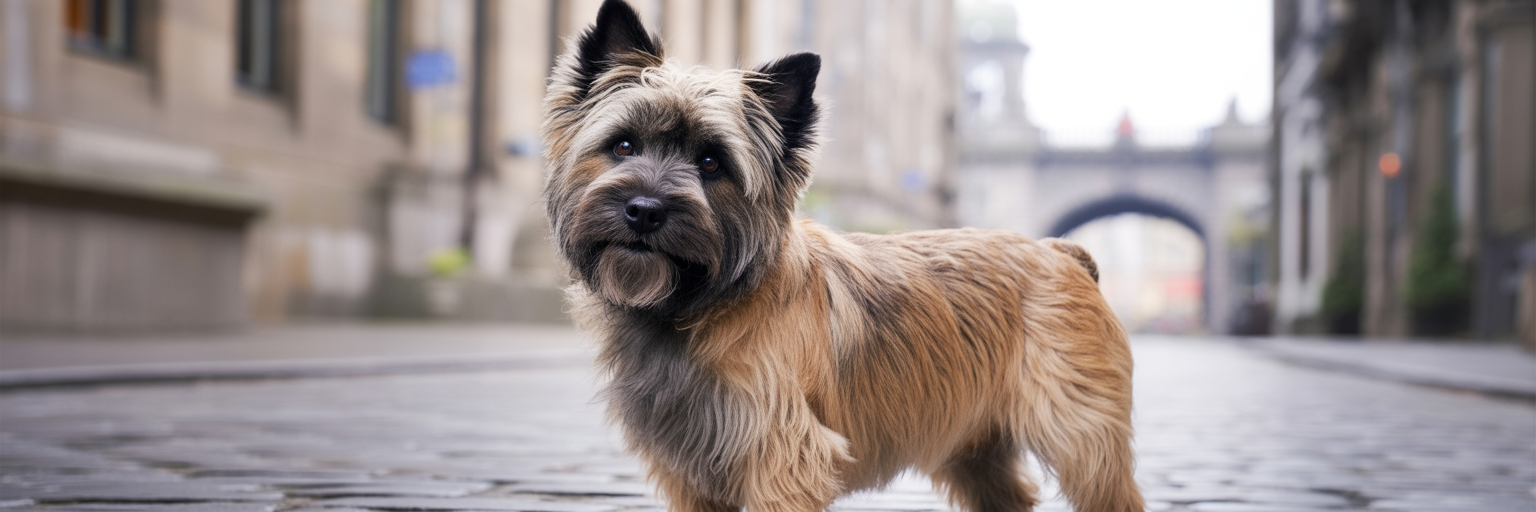
Hand-stripping preserves the correct texture and rich colour that define these breeds. Beyond aesthetics, it offers significant health benefits. The removal of the dense, dead hair promotes better air circulation to the skin, which can help prevent irritation, hot spots, and other common dermatological issues. For anyone committed to wire haired terrier grooming scotland, understanding this distinction is the first step. Breeds commonly found in our local parks, such as Border Terriers, Cairn Terriers, Wire Fox Terriers, and Schnauzers, all benefit immensely from this specialised care, ensuring their coats remain as functional and beautiful as they were bred to be.
| Aspect | Hand-Stripping | Clipping |
|---|---|---|
| Technique | Manually plucks dead outer coat from the follicle | Cuts the hair shaft with electric clippers |
| Impact on Coat Texture | Maintains and encourages a hard, wiry texture | Causes the coat to become soft, fluffy, and sometimes curly |
| Impact on Coat Colour | Preserves the rich, vibrant, natural colour | Often leads to fading and dulling of the coat's colour |
| Skin Health | Promotes air circulation and stimulates healthy follicles | Can trap moisture and debris, potentially leading to skin issues |
| Best Suited For | Wire-haired and silky-coated terrier breeds (e.g., Border Terrier, Schnauzer) | Dogs not suitable for stripping, or for pet trims where texture is not a priority |
Determining if Hand-Stripping is Right for Your Dog
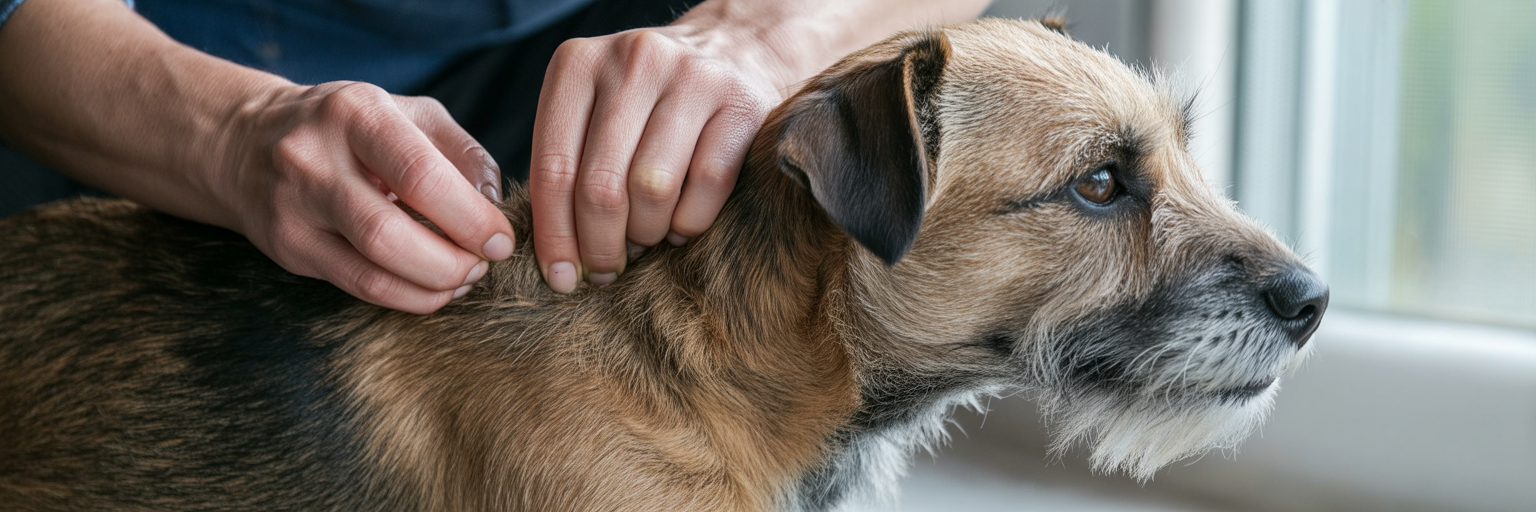
Before you begin your search for a groomer, it’s important to assess if your own dog is a suitable candidate. The key is whether their coat is ready, or ‘blown’. A blown coat has reached the end of its life cycle. You can often spot it visually; the hair looks longer, duller, and more unkempt than usual, almost like it has outgrown its style. To check, gently pinch a small section of the longest hairs and give a light tug. If the hairs come out easily without resistance and without causing your dog any discomfort, the coat is ready to be stripped.
Age and health are also significant factors. Puppies can be introduced to the process early with short, positive sessions to get them accustomed to the feeling. However, hand-stripping may not be appropriate for some senior dogs, especially those with arthritis or sensitive skin, as standing for long periods can be uncomfortable. A professional groomer can assess an older dog’s suitability and may suggest a modified approach. If your dog has any underlying skin conditions or health issues, a conversation with your vet is always the best starting point.
It's also a decision that requires commitment. Once a wire coat has been clipped, its natural texture is compromised. While not always impossible, restoring a clipped coat to a state where it can be hand-stripped again is a long and difficult process. Furthermore, neutering can sometimes alter a dog’s hormones, leading to a softer, thicker undercoat known as a ‘spay coat’. This can make hand-stripping more challenging and sometimes less effective. An experienced groomer will be able to evaluate these changes and advise on the best path forward for your individual dog.
Your Search Strategy for Dundee's Hand-Stripping Experts
Now that you understand the technique and have assessed your dog, the next step is knowing how to find a dog groomer with this specific skill set. Finding a true specialist requires a more focused approach than a general search. Here is a practical strategy to locate Dundee's hand-stripping professionals.
Your first and most efficient stop should be a specialised online directory. General search engines can be overwhelming, but a curated platform allows you to filter groomers by the exact services they offer. This immediately narrows your search to those who explicitly list hand-stripping. For instance, you can explore a curated list of professionals in the area by visiting our Dog Grooming Dundee directory, which simplifies the process of finding specialist dog groomers dundee.
Next, connect with breed-specific communities. Organisations dedicated to terriers, schnauzers, or other wire-haired breeds are invaluable resources. Both national and Scottish clubs often maintain lists of trusted groomers who are experienced with their breed's specific coat requirements. According to resources from The Kennel Club UK, maintaining a wire coat's texture is crucial for the breed standard, and these clubs are dedicated to upholding it. Their members have already done the vetting for you.
Leverage local knowledge. Your community is full of experts: other dog owners. Take a walk through popular Dundee spots like Camperdown Park or Broughty Ferry beach and look for dogs with well-maintained wire coats. Most owners are happy to share their groomer’s details. This word-of-mouth approach often leads to discovering hidden gems who rely on reputation rather than advertising.
Finally, consult your local veterinary practice. While vets are not grooming experts, they are central to the local pet care community. Their receptionists often hear feedback from clients and may be able to recommend groomers who are known for their skill and gentle handling, especially for specialised services.
How to Vet a Potential Hand-Stripping Groomer
Once you have a shortlist of potential groomers, the evaluation process begins. Think of this as an interview. You are hiring a skilled professional to care for your dog, and you have every right to ensure they are the right fit. A good groomer will welcome your questions and appreciate your diligence. Before booking an appointment, schedule a brief consultation and have a conversation.
During your chat, here are some essential questions to ask:
- What is your experience with my dog's specific breed? Hand-stripping a Border Terrier can be different from stripping a Schnauzer. Breed-specific experience is a huge plus.
- Can you show me a portfolio of your hand-stripping work? Ask to see before-and-after photos of dogs they have groomed. This is non-negotiable. A portfolio demonstrates their skill level and the results you can expect.
- How do you determine if a coat is ready to be stripped? Their answer should align with what you’ve learned about a ‘blown’ coat. They should talk about texture and hair life cycles, not just length.
- What is your process during the session? A professional should be able to walk you through the steps they take, how they keep the dog comfortable, and how long they expect it to take.
If possible, ask to visit the salon without your dog. This gives you a chance to observe the environment. Is it clean? Is it calm? Does the groomer seem patient and professional with the dogs currently in their care? Trust your gut feeling about the atmosphere.
Just as important as knowing what to look for is knowing what to avoid. Be wary of these red flags:
- A groomer who immediately tries to convince you that clipping is easier or better for a wire-haired breed.
- Someone who seems unfamiliar with terms like ‘blown coat’ or ‘rolling a coat’.
- A groomer who is unwilling to show you photos of their work or answer your questions thoroughly.
- Any salon that feels chaotic, unclean, or where the dogs seem stressed.
Finding the right person is worth the effort. Don’t be afraid to walk away if it doesn’t feel like a good match. The right groomer will be a partner in your dog’s health and wellbeing.
Preparing Your Dog for a Successful Grooming Session
Once you have chosen your groomer, you can take a few simple steps to set your dog up for a calm and successful appointment. Your preparation at home can make a significant difference in how your dog experiences the process.
First, and this may seem counter-intuitive, do not bathe your dog for one to two weeks before the appointment. This is the golden rule of hand-stripping. The natural oils in a slightly dirty coat provide better grip for the groomer, making it easier to pluck the dead hairs. A clean, soft, or conditioned coat is slippery and makes the process more difficult and less comfortable for everyone involved. Your groomer will thank you for this.
A tired dog is often a relaxed dog. A long walk or a vigorous play session before heading to the salon can help burn off excess energy and anxiety. This allows your dog to settle more easily on the grooming table. Also, ensure your dog has had a chance to relieve themselves before you go inside.
In the weeks leading up to the appointment, practice gentle handling at home. Regularly touch your dog’s paws, ears, tail, and muzzle in a calm, positive way. This helps desensitise them to the kind of handling they will experience from the groomer. Using positive methods is key to building confidence, and for more detailed techniques, you can explore why positive reinforcement works best for helping a dog feel secure in new situations.
Finally, maintain open communication. Be sure to inform your groomer about your dog’s temperament, any anxieties, health issues, or sensitive spots. The more information they have, the better they can tailor their approach to keep your dog comfortable and safe.
The Hand-Stripping Process and Essential Aftercare
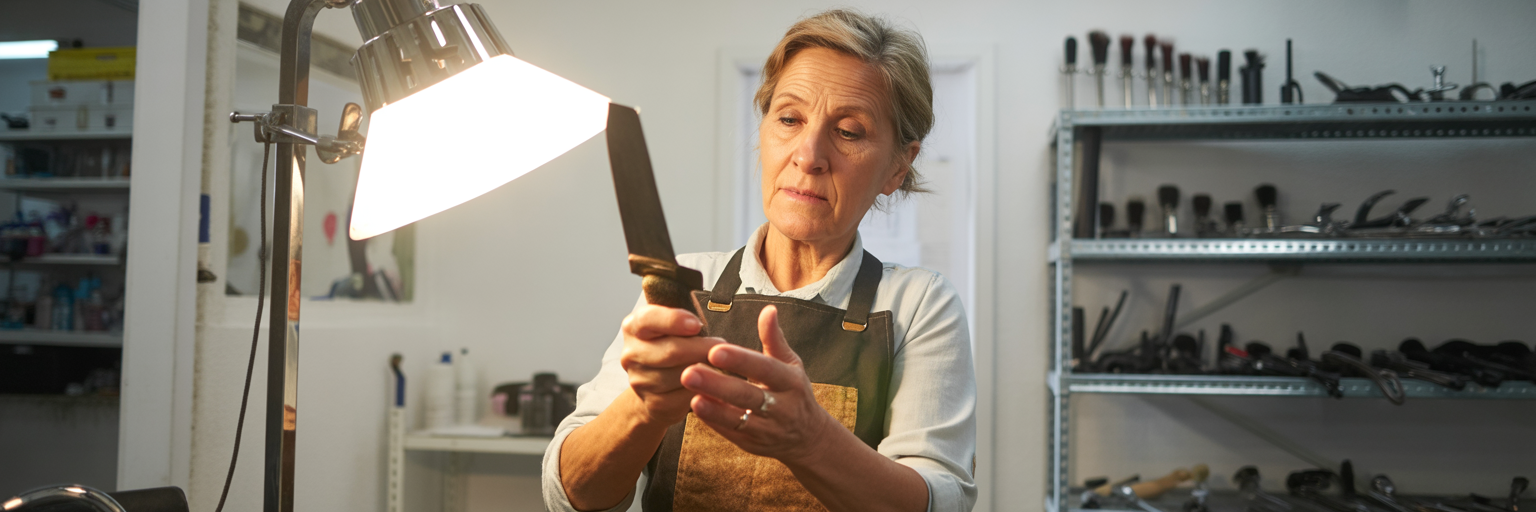
For many owners, the thought of their dog’s hair being plucked can sound alarming. However, it’s important to understand that for a dog with a correct, ‘blown’ coat, the process is not painful. The dead hairs are not firmly attached to the follicle and are meant to come out. A skilled groomer works methodically, in rhythm with the dog, often using a stripping knife or stone as a tool to improve their grip, not to cut the hair. They will monitor the dog’s comfort throughout the session, giving them breaks when needed.
After the appointment, your dog’s appearance will be transformed. The dull, overgrown layer will be gone, revealing a shorter, more vibrant coat underneath. The colour will often appear richer and more intense. Don’t be surprised if the coat looks a little uneven or sparse in some spots initially. This is completely normal. The new guard coat will grow in over the next few weeks, creating a dense, protective layer.
Proper aftercare is simple but essential for keeping your dog’s skin healthy as it recovers. The hair follicles will be open for a few days after stripping, making them more susceptible to irritation or infection. Following a few key instructions will ensure a smooth recovery.
- Avoid bathing for at least one week after the groom. This allows the hair follicles time to close and reduces the risk of any skin irritation.
- Do not use flea spot-on treatments for 48-72 hours before or after the session, as the open follicles can increase skin sensitivity to the chemicals.
- Monitor the skin for any signs of redness or bumps. While mild, temporary pinkness can be normal, any persistent irritation should be mentioned to your groomer.
- Avoid putting sweaters or coats on your dog for a few days unless necessary for warmth, as friction can irritate the skin.
Following this advice will help ensure the beautiful results of the hand-strip last, and your dog’s skin remains healthy and comfortable.
Budgeting for Specialist Grooming in Dundee
It is important to be transparent about the financial side of this service. When you start your search for hand stripping dundee, you will notice that the price is significantly higher than for a standard clip. This isn't an upcharge; it reflects the reality that hand-stripping is a specialised, labour-intensive craft.
A standard clip might take an hour, but a full hand-strip can take anywhere from two to four hours, or even longer, depending on the dog. The price is a direct reflection of the groomer’s time, skill, and physical effort. It is a manual process that requires deep knowledge of coat types, breed standards, and canine anatomy. You are paying for expertise that has often taken years to perfect.
Several factors will influence the final price. These include:
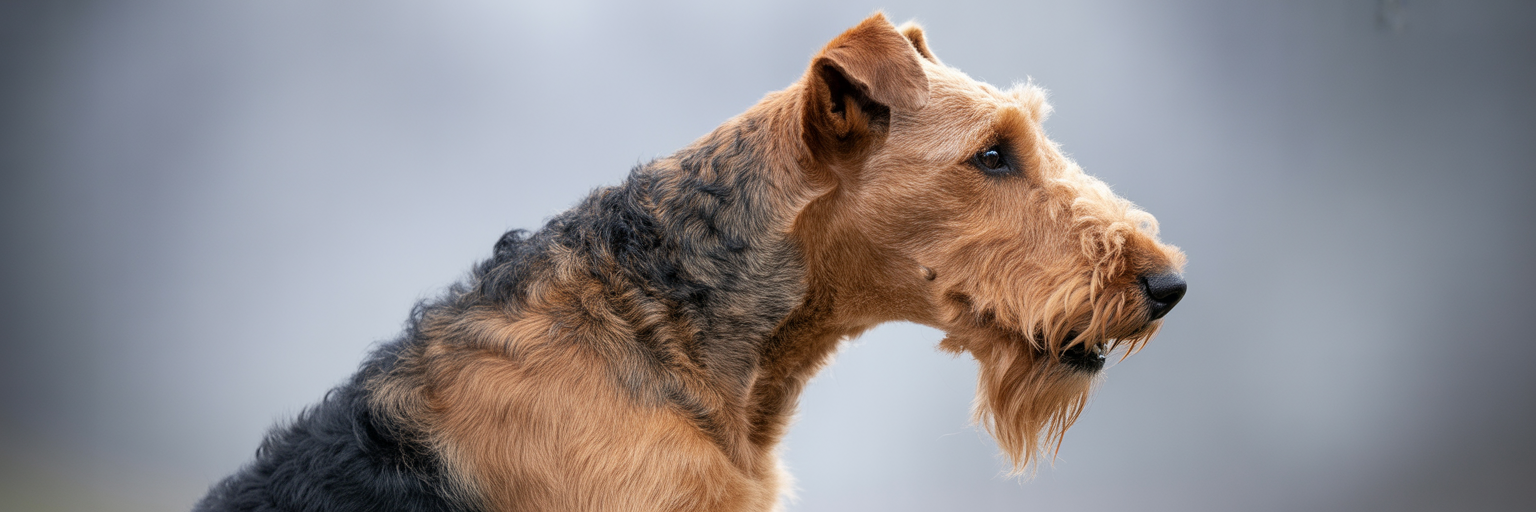
- Dog’s Size and Breed: A larger dog like an Airedale Terrier will naturally cost more than a smaller Border Terrier.
- Coat Condition: A coat that is perfectly ‘blown’ and has been regularly maintained will be easier and quicker to strip than one that is overdue or has been previously clipped.
- Dog’s Temperament: A nervous or fidgety dog requires more time and patience, which may be factored into the cost.
For example, the border terrier hand stripping cost can vary based on these elements. While the initial figure might seem high, remember that hand-stripping is typically only required two to four times per year, as opposed to the more frequent 6-8 week schedule for clipping. When you break it down, the annual cost may be more comparable than it first appears. It is helpful to reframe the expense not as a simple grooming fee, but as a long-term investment in your dog’s skin health, comfort, and the preservation of their coat’s natural, protective qualities.
Finding the Right Grooming Partner for Your Dog
Your search for a hand-stripping specialist is about more than just a single haircut. It is about finding a professional you can trust and building a long-term relationship. This person will become a key partner in your dog’s overall health and wellbeing, someone who understands the unique needs of your dog’s coat and can help you maintain it for years to come.
Throughout your search, remember to trust your instincts. If a groomer’s approach doesn’t feel right, or if you feel your questions are being dismissed, it is perfectly acceptable to continue looking. The right groomer will be a patient collaborator who makes both you and your dog feel comfortable and respected.
By taking the time to understand the technique, assess your dog’s needs, use targeted resources to find candidates, and thoroughly vet them, you are setting your dog up for a lifetime of healthy skin and a beautiful, functional coat. This effort is a true testament to your dedication as an owner. Finding that perfect grooming partner in Dundee ensures your wire-haired companion looks and feels their absolute best.