
A Gentle Start to Puppy Grooming in Dundee
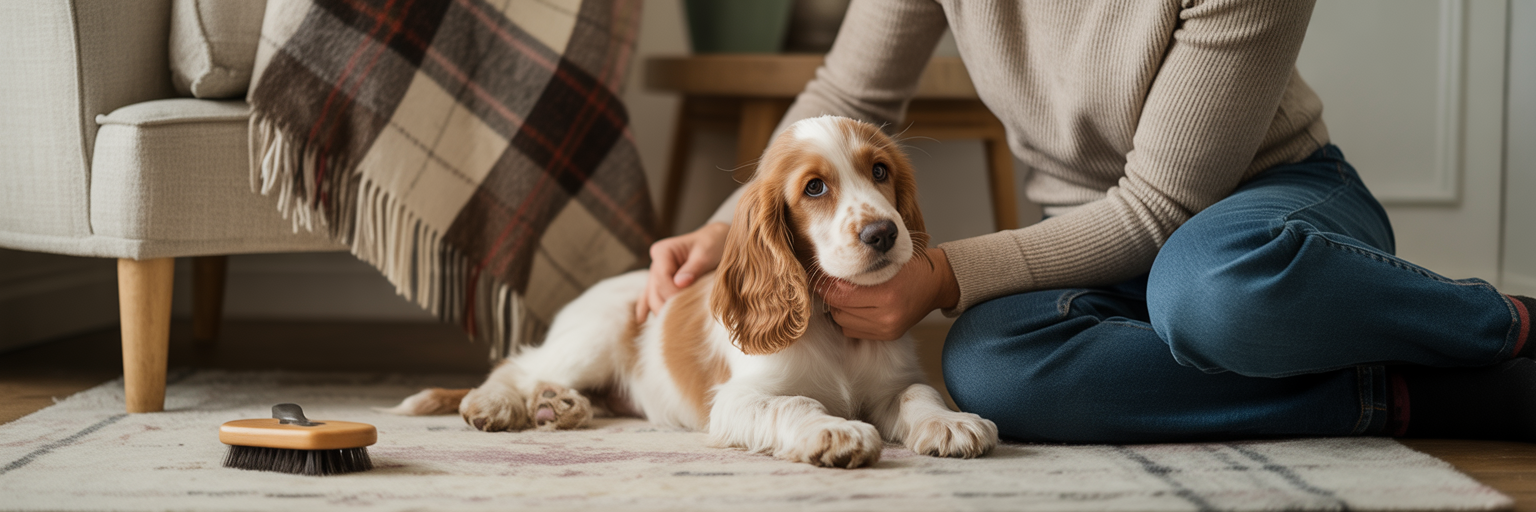
First Steps in Your Puppy's Grooming Journey
A puppy’s brain develops at an incredible rate, with a critical socialisation window that largely closes by the time they are four months old. This is the period when they form lasting opinions about the world. As experts at PetMD confirm, this early stage is when puppies most easily build positive associations, making it the perfect time to introduce them to grooming.
For many new puppy owners in Dundee, the thought of that first groom can feel daunting. But the initial goal isn't a perfect haircut. It's about teaching your puppy that being handled, brushed, and checked over is a normal, safe, and even pleasant experience. These early interactions are less about aesthetics and more about building a foundation of trust for the years to come.
Think of these moments not as a chore, but as a unique form of connection. Gently holding a paw or running a soft brush over their back strengthens your bond. Your calm confidence tells your puppy there is nothing to fear. These are some of the most important first puppy groom tips you can receive: patience and positive association are everything. Initial sessions should be incredibly short, perhaps only a minute or two.
Let your puppy sniff the brush. Let them investigate the nail clippers while they are switched off. Reward them with a tasty treat simply for being calm while you touch their ears or tail. You are not trying to complete a task. You are creating a positive memory. This patient approach is the bedrock for a lifetime of stress-free grooming, turning a potential struggle into a shared, quiet moment between you and your dog.
Creating a Calm Grooming Space at Home
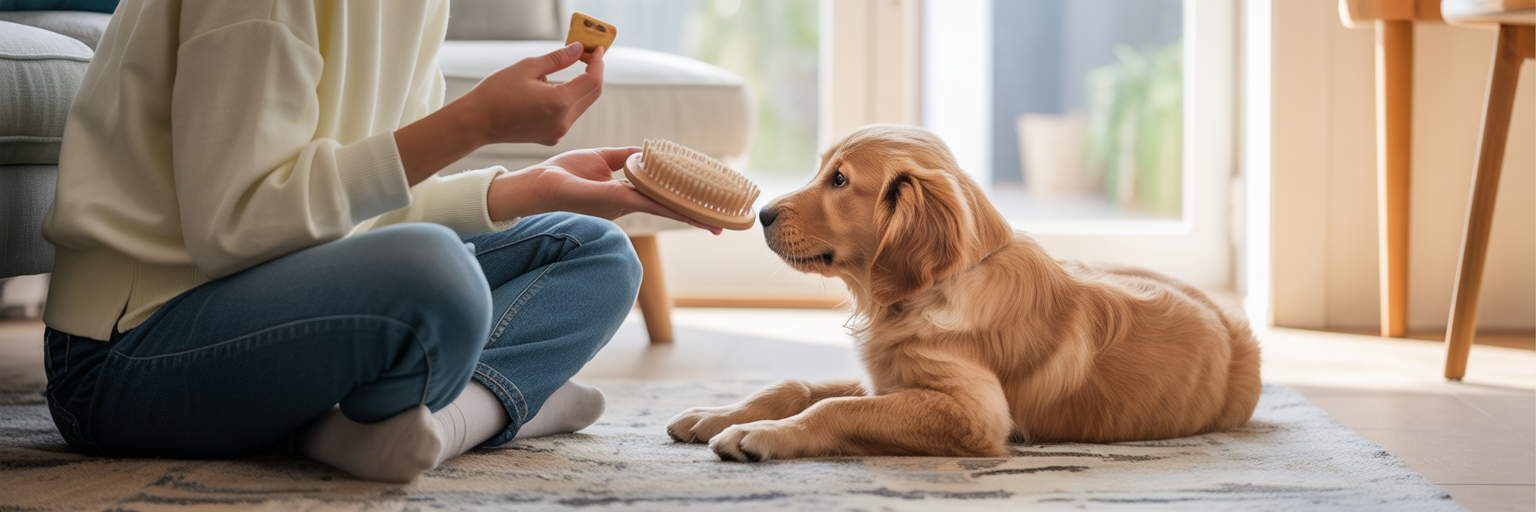
With the importance of early positive experiences in mind, the next step is to shape your home environment into a place of calm for grooming. Before you even pick up a brush with intent, the tools themselves should become a normal part of your puppy's world. Leave a new, soft brush on the floor for them to sniff and investigate on their own terms. When an object isn't forced upon them, it loses its power to intimidate.
This approach is the heart of positive dog grooming. It’s a method built on rewarding the behaviour you want to see, rather than correcting the behaviour you don’t. This means using high-value treats, like tiny pieces of chicken or cheese, not just their everyday kibble. Your enthusiastic praise is just as valuable. When your puppy feels your genuine happiness, they understand they’ve done something right. This method is a cornerstone of modern training, and understanding the principles of positive reinforcement can transform your relationship with your pup.
To make these sessions successful, focus on these core principles:
- Introduce tools slowly: Let your puppy sniff the brush. The next day, gently touch it to their back for a single second, then immediately give a treat and praise. Build up duration slowly over many days.
- Keep sessions brief: Start with just one or two minutes. Always end the session on a high note, before your puppy has a chance to get bored or restless. This ensures they remember the experience as a good one.
- Handle sensitive areas daily: During quiet cuddle time on the sofa, completely separate from any grooming tools, gently touch and hold your puppy’s paws, look inside their ears, and lift their tail. This normalises the sensation of being handled all over.
By turning grooming into a predictable and rewarding game, you are not just preparing them for a haircut. You are teaching them that you are a source of safety and good things, even when introducing something new. This trust is invaluable.
Mastering Essential At-Home Grooming Tasks
Once your puppy is comfortable with the tools and the idea of being handled, you can begin introducing basic grooming tasks. Each of these should be approached with the same patience and positivity you've established. Remember, progress is more important than perfection.
A Guide to Your Puppy's First Bath
A puppy's first bath can be overwhelming, so preparation is key. Use a non-slip mat in the tub or sink to help them feel secure. Follow these steps for a calmer experience:
- Prepare your space: Have puppy-safe shampoo, towels, and treats within arm's reach before you get your dog.
- Test the water: Ensure the water is lukewarm, not hot. Use a gentle spray attachment or a cup to wet the coat, avoiding their face.
- Lather gently: Speak in a calm, reassuring voice as you gently massage the shampoo into their coat.
- Rinse thoroughly: Ensure all soap is removed, as residue can irritate their skin.
- Reward and dry: After a quick but thorough towel dry, give lots of praise and a special treat.
Approaching Nail Trimming Without Fear
Many owners feel nervous about trimming nails, and dogs can sense this. Desensitisation is crucial. Start by just touching the clippers to your puppy’s nails without cutting, followed by a treat. Do this for a few days. Then, try trimming just the very tip of one nail. On light-coloured nails, you can often see the 'quick', a pink area containing nerves and blood vessels. Always cut well clear of this. If you're nervous about cutting the quick, it's always safest to seek professional help with dog nail trimming until you feel more confident.
Techniques for Brushing Different Coat Types
Knowing how to brush a puppy correctly depends entirely on their coat. Brushing removes loose fur, prevents mats, and distributes natural skin oils. Use short, gentle strokes and make it a pleasant experience with plenty of rewards.
Choosing the Right Brush for Your Puppy's Coat
| Coat Type | Recommended Brush | Purpose | Example Breeds |
|---|---|---|---|
| Short/Smooth Coat | Rubber Curry Brush or Bristle Brush | Removes loose hair, stimulates skin oils | Labrador, Beagle, French Bulldog |
| Long/Silky Coat | Pin Brush and Steel Comb | Gently detangles without breaking hair | Cocker Spaniel, Yorkshire Terrier, Setter |
| Double Coat | Undercoat Rake and Slicker Brush | Removes loose undercoat to prevent matting | Golden Retriever, German Shepherd, Pomeranian |
| Curly/Wavy Coat | Slicker Brush and Steel Comb | Prevents knots and mats close to the skin | Poodle, Bichon Frise, Cockapoo |
This table provides a general guide. Always choose a brush with soft, flexible pins or bristles for a puppy's sensitive skin and introduce it gently.
Basic Ear and Eye Care
Get your puppy used to you checking their ears and eyes weekly. For eyes, use a piece of damp cotton wool to gently wipe away any debris from the corner of the eye, using a fresh piece for each eye. For ears, never insert anything into the ear canal. Simply use a cotton ball lightly dampened with a vet-approved ear cleaner to wipe the visible, outer part of the ear flap.
Choosing a Professional Groomer in Dundee
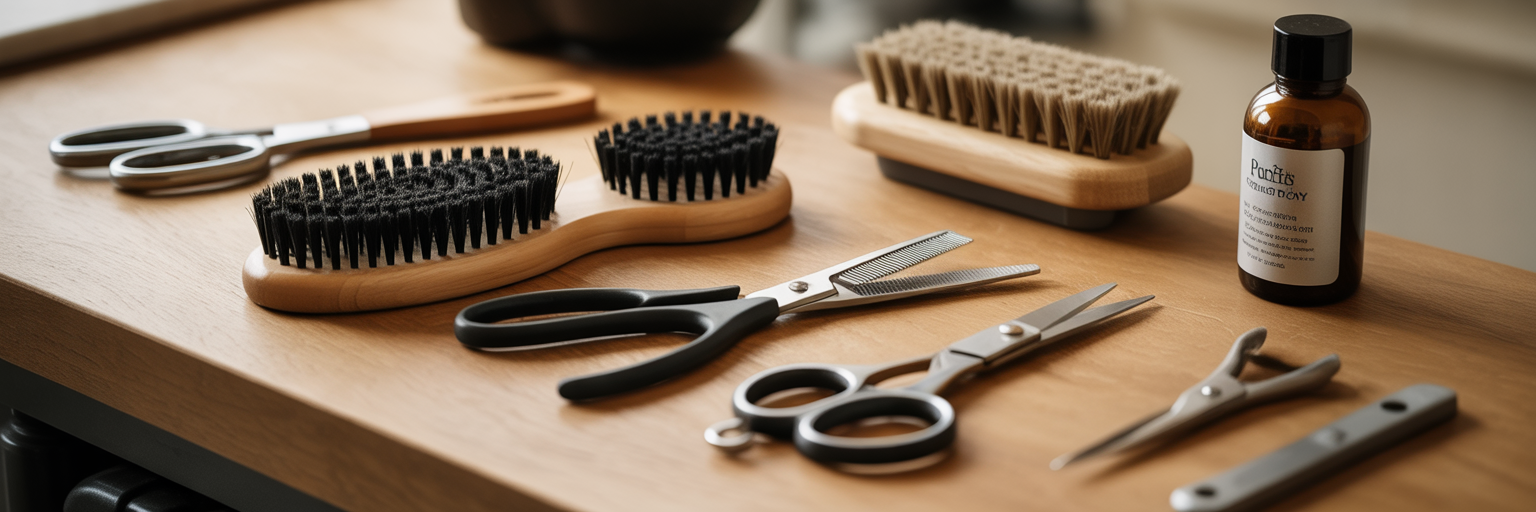
While at-home grooming is vital for bonding and maintenance, every puppy will eventually need a professional's touch. But how do you know when it's time? Clear signs include hair starting to obstruct their vision, fur becoming matted despite regular brushing, or simply when their coat needs shaping and styling that is beyond your comfort level. This is when finding the right professional for puppy grooming Dundee becomes essential.
Not all groomers are the same, especially when it comes to a puppy's first visit. You are looking for a partner in your puppy's wellbeing, not just a service provider. When researching Dundee dog groomers, don't be afraid to ask direct questions. A good groomer will welcome them.
- Do you offer a specific 'puppy introduction' package? This shows they understand the unique needs of a young dog.
- How do you handle a nervous or wriggly puppy? Look for answers that mention patience, breaks, and positive reinforcement, not restraint.
- Can I see the grooming area? It should be clean, secure, and have a calm atmosphere.
- Are you qualified and insured? Professionalism and safety are non-negotiable.
A puppy's first professional groom should not be a full, show-standard cut. It is a carefully managed socialisation experience. Many professional groomers offer dedicated puppy grooming sessions designed to be a positive first experience. These typically involve a gentle bath and dry, a light trim around the face and paws, a nail clip, and plenty of praise and treats. To set your puppy up for success, take them for a long walk beforehand to burn off excess energy, and consider bringing a familiar toy or blanket that smells of home.
Maintaining a Lifetime of Positive Grooming Habits
You have brought your puppy home, introduced them to the brush, and guided them through their first professional trim. The foundation is set. From here, consistency is the single most important factor in ensuring grooming remains a stress-free part of your dog's life. A few minutes of brushing each day is far more effective than a long, difficult session once a month.
Reframe this routine in your mind. It is not a chore. It is a weekly health check in disguise. This is your chance to run your hands over their entire body, feeling for any unusual lumps, bumps, or ticks. It’s an opportunity to check their skin for redness and their paws for any cuts. This regular contact keeps you in tune with your dog’s physical condition, allowing you to spot potential issues early.
Be aware that your puppy’s grooming needs will change. The most significant shift is the transition from soft puppy fluff to their adult coat, which often happens between six and twelve months of age. During this period, their coat is especially prone to matting, and more diligent brushing will be required. By continuing the patient, positive, and consistent approach you started with, you will give your Dundee puppy the gift of a lifetime of calm, comfortable grooming.