
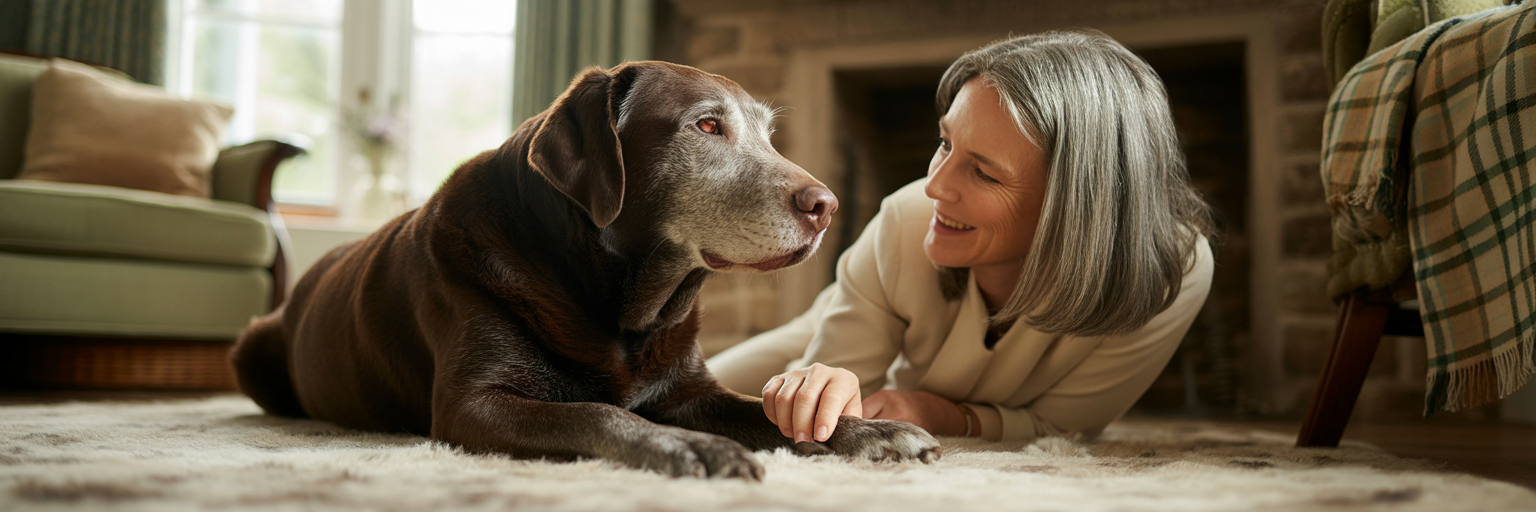
A Gentle Guide to Nail Care for Senior Dogs with Mobility Issues
The Importance of Nail Maintenance in Senior Dogs
A dog’s ability to stand and walk comfortably is directly tied to the health of its paws. For a senior dog, overgrown nails are not just a cosmetic issue; they are a direct source of pain and instability. When nails grow too long, they force the dog to rock back onto the rear of its paw pads, altering its natural posture. Imagine trying to walk in shoes that are too long in the front. You would have to change your gait, and over time, this would strain your ankles, knees, and hips.
This unnatural stance puts constant pressure on the wrong parts of the foot and leg joints. For an older dog already dealing with stiffness or discomfort, this added strain can significantly worsen conditions like arthritis. This is why proper senior dog nail trimming is a fundamental part of managing their health and comfort. It’s not just grooming; it’s a form of supportive care.
The physical risks extend beyond joint pain. Long nails are more likely to snag on carpets or furniture, which can lead to a painful tear or even a broken toe. In severe cases, the nails can curl around and grow into the paw pad itself, causing painful sores and infections that require veterinary attention. This creates a debilitating pain cycle: sore paws make the dog reluctant to move, which leads to muscle atrophy and increased joint stiffness. This, in turn, makes movement even more painful, and the cycle continues.
Breaking this cycle is essential for maintaining your senior dog’s quality of life. Regular nail care ensures their paws can sit flat on the ground, providing a stable, comfortable base. This simple act can improve their balance, reduce chronic pain, and encourage them to stay active. By understanding that nail maintenance is a healthcare necessity, you can directly contribute to your dog's daily comfort and mobility.
Creating a Calm and Safe Grooming Environment
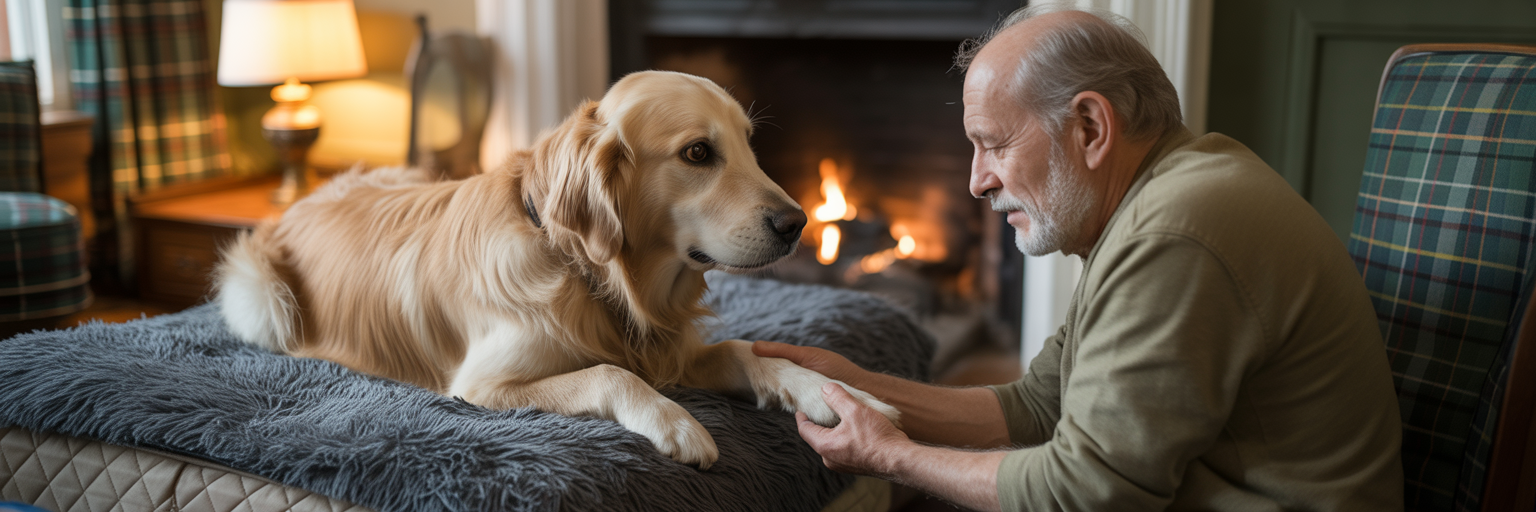
Now that we understand why nail care is so important, the next step is to focus on the where and when. A successful nail trim with a senior dog has less to do with speed and more to do with preparation. The goal is to create a calm, safe atmosphere long before you even pick up a trimming tool. We all know that moment of dread when our dog sees the clippers and disappears. A prepared environment helps prevent that anxiety from the start.
Choose a time of day when your home is quiet. Avoid the morning rush or when the family is coming and going. The background noise of a busy Dundee street can be stressful, so find a peaceful spot away from windows and doors. Your dog will pick up on your calm energy, so take a few deep breaths and approach the task with patience, not as a chore to be rushed.
Positioning is especially important for a dog with mobility issues. Instead of a slippery floor, have them lie on an orthopaedic bed or a thick, non-slip mat. This provides crucial support for their joints and prevents them from struggling to stay balanced. For smaller dogs, you can hold them securely in your lap, ensuring their back and hips are well-supported. The key is comfort and stability.
Before you ever attempt a trim, introduce paw handling as a separate, positive activity. Spend a few minutes each day just gently holding and massaging your dog’s paws and toes. Follow up with plenty of praise and a high-value treat. This desensitisation process teaches your dog that having their paws touched is a pleasant experience. This process of desensitisation is rooted in the same principles of positive reinforcement that are effective in all aspects of dog training.
Having everything you need within arm’s reach is the final step in preparation. A calm, prepared approach is half the battle won. Gather your supplies beforehand so you are not scrambling mid-trim:
- Your chosen nail trimming tool (grinder or clippers)
- Styptic powder or a cornflour alternative in case of a nick
- A small bowl of high-value treats (like small pieces of chicken or cheese)
- A towel for extra grip or comfort
Selecting the Right Nail Trimming Tool
With the environment set, the next decision is choosing the right tool for the job. This choice depends heavily on your dog’s temperament, the condition of their nails, and your own confidence level. For senior dogs, the focus should always be on safety and minimising stress.
A nail grinder is often the preferred choice for older pets for several compelling reasons. Grinders work by filing the nail down gradually, which gives you incredible control. This significantly reduces the risk of accidentally cutting the quick, the sensitive part of the nail that contains blood vessels and nerves. A nicked quick is painful and can create a lasting fear of nail trims. For senior dogs with brittle nails, a grinder is also ideal because it creates a smooth finish and prevents the splintering or crushing that clippers can sometimes cause. The safe dog nail grinder technique involves simply pressing the tool to the nail for a few seconds at a time. When looking for a grinder, prioritise a model with a low-noise, low-vibration motor to reduce anxiety, along with safety guards and variable speeds for better control.
However, we must acknowledge that some dogs simply cannot tolerate the sound or sensation of a grinder. If your dog is extremely sound-sensitive, forcing them to endure a grinder will only make things worse. In these cases, a good pair of clippers is the better option. Opt for sharp, scissor-style clippers, as they give you a clearer line of sight than the guillotine style. This precision is vital when working with older dogs. As noted by veterinary professionals in an article from the American Kennel Club, the gradual nature of a grinder can make it a safer option for beginners, but sharp clippers in a confident hand are also effective.
To help you decide, here is a comparison of the two main options:
| Factor | Nail Grinder | Nail Clippers (Scissor-Style) |
|---|---|---|
| Risk of Cutting the Quick | Low; gradual filing allows for stopping in time. | High; a single mistake can cause pain and bleeding. |
| Suitability for Brittle Nails | Excellent; creates a smooth finish and prevents splintering. | Fair to Poor; can crush or splinter thick, dry nails if not sharp. |
| Noise and Vibration | Can cause anxiety in sound-sensitive dogs. | Silent operation, ideal for anxious pets. |
| Control and Precision | High; allows for shaping and smoothing the nail tip. | Moderate; requires a steady hand to avoid taking too much. |
| Learning Curve | Easy for beginners to use safely. | Steeper; requires more confidence and knowledge of nail anatomy. |
This table summarises the key considerations for choosing a tool. The decision should be based on the dog's temperament and nail condition, as well as the owner's confidence level.
A Step-by-Step Guide to the Trimming Process
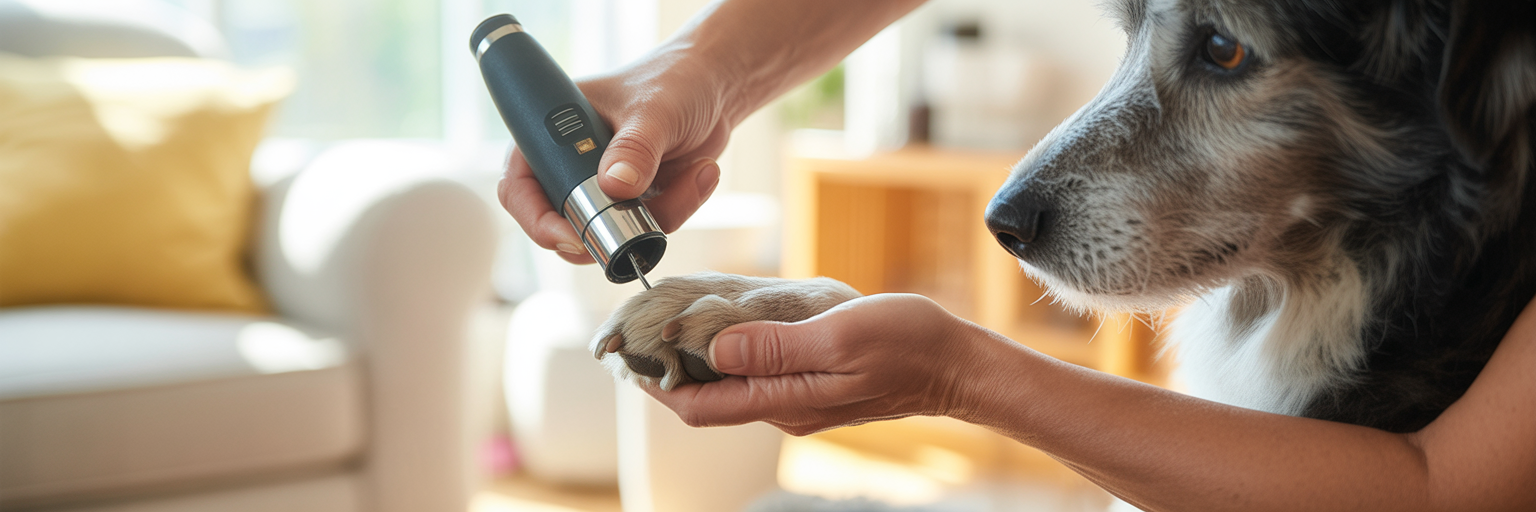
Once you have your dog comfortable and your tools ready, it is time to begin the trim itself. This is the practical part of how to cut an old dog's nails, and the key is to be methodical and patient. Remember, you do not have to trim all the nails in one sitting. One paw, or even just a few nails, followed by a positive reward is a perfectly successful session.
Here is a step-by-step guide to the process:
- Hold the Paw Securely but Gently: Hold your dog’s paw firmly but without squeezing. Your thumb should be on the paw pad and your forefinger on the top of the toe. Gently separate one toe to work on. Make sure any fur is pushed back so you have a clear view of the entire nail.
- Identify the Quick: This is the most important step for preventing pain. If your dog has light-coloured nails, the quick is the pinkish part visible inside the nail. You should trim only the white part of the nail, stopping well before the pink. If your dog has dark nails, this is much harder. The best approach is to trim off tiny slivers at a time. Look at the cut edge of the nail after each sliver. As you get closer to the quick, you will see a small, dark circle appear in the centre of the nail. This is your signal to stop.
- Trim or Grind at the Correct Angle: Whether using clippers or a grinder, you want to work at a roughly 45-degree angle to the floor. This mimics the natural wear of the nail. If using a grinder, apply it to the nail in short bursts of 2-3 seconds per nail. This prevents heat from building up, which can cause discomfort. Move from nail to nail, and then come back for a second pass if needed. For those who prefer professional assistance with this step, exploring a dog nail grinding service can be a great option.
- Take Breaks and Reward: After trimming one paw, or even just a couple of nails, stop. Give your dog a high-value treat and lots of praise. Let them relax for a minute before you decide whether to continue or end the session for the day. This keeps stress levels low and reinforces that this is a manageable activity.
- What to Do If You Nick the Quick: Even with the utmost care, accidents can happen. If you do nick the quick, the most important thing is to stay calm. Your dog will react to your stress. Quietly apply styptic powder or cornflour to the nail tip with firm pressure for about 30 seconds. The bleeding should stop quickly. Give your dog a treat and end the session on a positive note. Do not make a big fuss, as this can heighten their anxiety for next time.
Aftercare, Positive Reinforcement, and Frequency
The moments immediately following the nail trim are just as important as the trim itself. This is your opportunity to solidify the experience as a positive one, ensuring future sessions are met with less anxiety. The goal is to frame senior dog nail trimming as a continuous and rewarding routine, not a dreaded, one-off event.
Always end every session on a high note. Whether you trimmed one nail or all twenty, finish with enthusiastic praise, a favourite toy, or a particularly delicious treat. This final, positive interaction is what your dog will remember most, and it helps build a bridge of trust for the next time. After the treats are done, take a moment to gently inspect the paws. Run your finger over the nail tips to check for any sharp or rough edges that could snag on bedding or cause discomfort. If you find any, you can easily smooth them with a regular nail file.
Establishing a realistic trimming schedule is far more effective than letting the nails get long and then attempting a marathon session. A "little and often" approach is much less stressful for a senior dog. For most older dogs, short sessions every one to two weeks are ideal. This keeps the nails at a healthy length without the drama of a major trim. The primary goal is to keep the nails from touching the floor when the dog is standing in a natural position. If you can hear their nails clicking on the kitchen floor, it is a clear sign they are too long.
Finally, remember that the frequency of trims needs to be adjusted based on your dog's activity level. Active dogs naturally wear down their nails on pavement and other hard surfaces. However, senior dogs with mobility issues are often less active, so their nails will grow unchecked without regular intervention. As a general rule, less active dogs require more frequent trims, a point echoed by pet care experts. A guide from PetCareLab suggests monitoring nail length every couple of weeks to establish a routine that works for your specific dog.
When to Seek Professional Help in Dundee
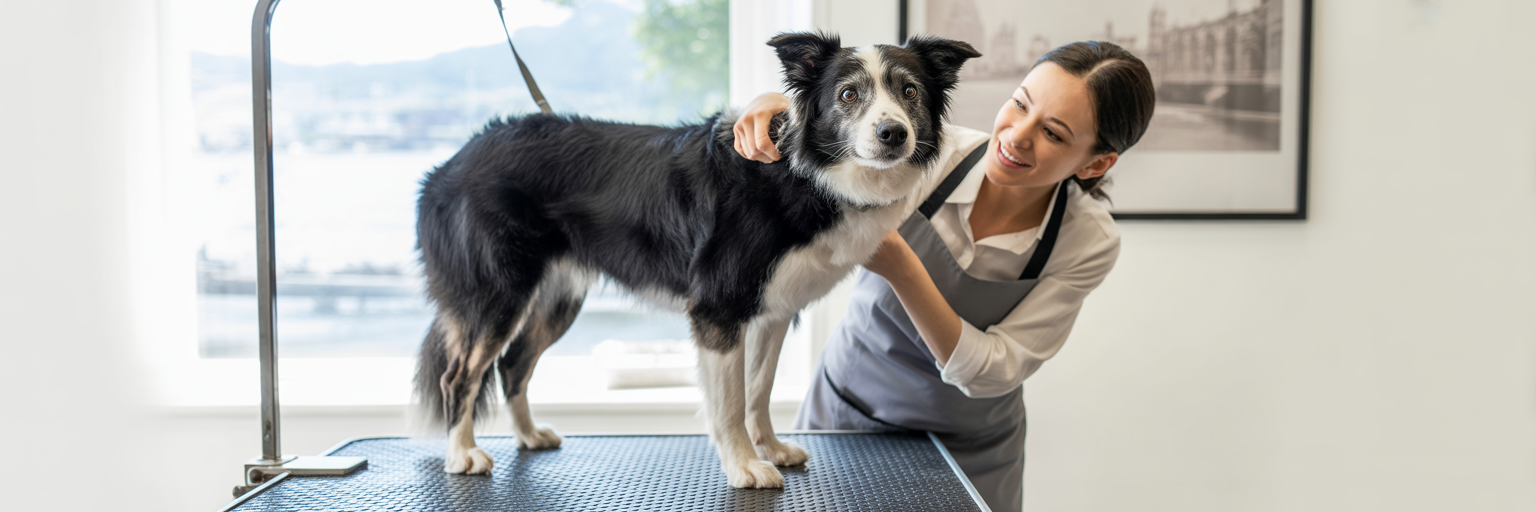
Even with the best intentions and a gentle approach, trimming your senior dog’s nails at home is not always possible. It is important to recognise when the task is too challenging and to seek professional help. This is not a sign of failure; it is a responsible choice that prioritises your dog’s safety and well-being.
It might be time to call a professional if you notice any of the following:
- Extreme Anxiety: If your dog shows signs of severe stress like trembling, hiding, or growling, forcing the issue at home can do more harm than good.
- Severely Overgrown Nails: If the nails are already curling or causing a significant change in your dog’s posture, a professional can correct the length safely and efficiently.
- Medical Concerns: For issues like embedded nails, infections, or if your dog has a condition that makes handling painful, your veterinarian is the best first call.
- Your Own Discomfort: If you feel anxious, lack confidence, or have physical limitations that make the task difficult, a professional groomer is a wonderful resource.
Professional groomers have the experience and specialised equipment to handle nail trims quickly and with minimal stress. They are skilled in safe handling techniques, which is especially beneficial when performing dog grooming for arthritis or other mobility issues. When looking for help, it is vital to find someone experienced with older pets. You can search for local professionals who list senior dog grooming as a specialty, ensuring your pet is in capable hands. Using a dedicated directory of dog groomers in Dundee is an easy way to find trusted, local experts who can provide the gentle care your senior companion deserves.