

A Dundonian Dog Owner’s Guide to Summer Shedding
The arrival of summer in Dundee brings longer days and walks along the Tay, but for owners of long-haired dogs, it also signals the start of shedding season. The city's coastal humidity can make this natural process feel overwhelming, turning homes into a blizzard of fur.
Understanding Why Summer Humidity Worsens Shedding
Before you can tackle the clouds of fur taking over your home, it helps to understand why it happens. Shedding is a natural, healthy process for dogs, but certain environmental factors can make it seem much more intense. For those of us in Dundee, the damp summer air plays a significant role in the battle against the fluff.
The Canine Shedding Cycle Explained
A dog's hair doesn't grow continuously. Instead, each follicle cycles through three distinct phases. The anagen phase is when the hair is actively growing. This is followed by the catagen phase, a transitional period where growth stops. Finally, the hair enters the telogen phase, a resting stage before it eventually falls out to make way for new growth. Seasonal changes, daylight hours, and temperature trigger a large number of hairs to enter this final phase at once, resulting in heavy shedding periods.
The Impact of Dundee's Coastal Climate
Dundee's coastal humidity adds a unique challenge. The moisture in the air causes loose fur to cling to your dog's coat instead of falling away cleanly. This trapped hair can quickly form uncomfortable tangles and mats, making the shedding appear worse than it is. It also means that when you do brush your dog, the amount of fur that comes out can be surprising. This is a common issue for those managing summer dog care scotland, where damp air is a constant.
Seasonal Coat Blow in Long-Haired Breeds
Many long-haired breeds, like German Shepherds, Collies, and Huskies, have a double coat: a dense, soft undercoat for insulation and a tougher topcoat for protection. Twice a year, they experience a "coat blow," where they shed their entire undercoat to prepare for the upcoming season. The summer shed is often the most dramatic, as they lose their heavy winter insulation. This process is completely normal but results in an astonishing amount of fur.
Differentiating Normal Shedding from Health Issues
While heavy seasonal shedding is expected, it is important to distinguish it from hair loss caused by an underlying health problem. Normal shedding should leave the coat looking healthy and full, even if thinner. However, if you notice bald patches, red or irritated skin, constant scratching, or a dull, brittle coat, it is time to consult your vet. These symptoms are not part of the natural shedding cycle and could indicate allergies, parasites, or other medical conditions that need attention.
The Foundation of an Effective Home Grooming Routine
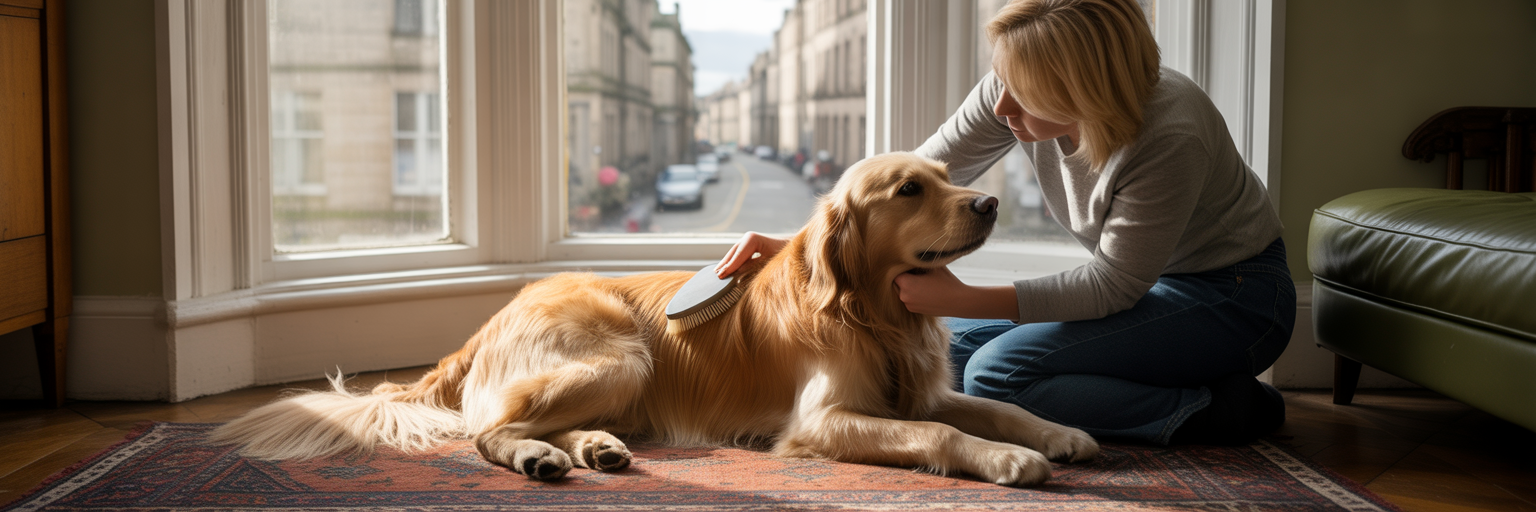
Now that you understand the reasons behind the summer fur-storm, we can move on to practical solutions. An effective home grooming routine is your first line of defence. It is not about stopping the shed, which is impossible, but about managing it so that both you and your dog are more comfortable. Consistency here is far more important than intensity.
The Importance of Daily Brushing
Daily brushing is the single most effective thing you can do to manage dog shedding dundee. It removes loose hair directly from the source before it has a chance to decorate your floors and furniture. For long-haired breeds, a technique called line brushing is particularly effective at reaching the dense undercoat.
- Start with your dog lying comfortably on its side.
- Part the hair horizontally, exposing a line of skin at the base of the coat.
- Brush the hair below the line downwards, away from the part.
- Create a new part an inch or so above the first one and repeat the process.
- Work your way up your dog’s body in sections, ensuring you brush the entire coat from root to tip.
This methodical approach ensures you are not just skimming the topcoat but are actively removing the dead undercoat where most of the shedding originates.
Choosing the Right Bathing Products and Frequency
A bath can help loosen a significant amount of dead hair, but the right products and frequency are key. After a sandy walk at Broughty Ferry beach or a muddy run through Camperdown Park, a bath is a must. However, over-bathing can strip the skin of its natural oils. During shedding season, bathing every 4 to 6 weeks with a high-quality moisturising or de-shedding shampoo is usually sufficient. These shampoos are formulated to hydrate the skin and help release the undercoat during the wash.
Proper Drying Techniques to Prevent Skin Problems
How you dry your dog is just as important as how you wash them, especially in our humid climate. Letting a long-haired dog air-dry can trap moisture against the skin, creating a warm, damp environment perfect for bacteria to thrive. This can lead to painful skin infections known as "hot spots." First, towel-dry your dog thoroughly to remove as much water as possible. Then, use a blow dryer on its lowest heat and speed setting to finish the job. As grooming experts at Wahl USA point out, using a blow dryer is crucial to ensure the undercoat is no longer damp, which helps prevent skin irritation. This simple step turns grooming into a safe and positive bonding activity.
Selecting the Right Tools for a Long-Haired Coat
Walking into a pet store can feel overwhelming with an entire aisle dedicated to brushes, combs, and mysterious-looking gadgets. Investing in a few high-quality tools designed for your dog's coat type will make your grooming sessions more effective and efficient. The right tool does the work for you, making the process of how to reduce dog shedding much simpler. Below is a breakdown of the essentials for any long-haired dog owner.
| Tool | Primary Function | Best For (Coat Type) | Pro Tip |
|---|---|---|---|
| Undercoat Rake | Removes loose, dead undercoat | Double-coated breeds (e.g., German Shepherds, Huskies, Collies) | Use long, gentle strokes that follow the direction of hair growth. |
| Slicker Brush | Removes tangles, mats, and loose hair from the topcoat | Most long-haired breeds (e.g., Golden Retrievers, Setters) | Choose a brush with flexible pins to avoid scratching the skin. |
| De-Shedding Blade | Pulls out loose, dead fur from the undercoat | Short to medium double coats; use with caution on long coats | Apply very light pressure; never use on matted fur or sensitive areas. |
| Metal 'Greyhound' Comb | Finds small, hidden tangles and checks for mats after brushing | All long-haired breeds for finishing and detail work | If the comb snags, switch back to the slicker brush to work out the tangle. |
An undercoat rake is your best friend during a coat blow. Its long teeth reach deep into the dense undercoat to pull out dead fur without damaging the topcoat. The slicker brush is a versatile daily tool for removing tangles and surface-level loose hair. When using a de-shedding blade, caution is essential. It is very effective but can irritate the skin or damage the coat if used with too much pressure. Think of it as a tool for thinning, not for everyday brushing. Finally, the simple metal comb is an invaluable diagnostic tool. After a thorough brushing session, run it through the coat. If it glides through smoothly, your job is done. If it snags, you have found a hidden tangle that needs more attention. These are some of the most practical long-haired dog grooming tips you can apply at home.
Nutritional Strategies for a Healthier Coat
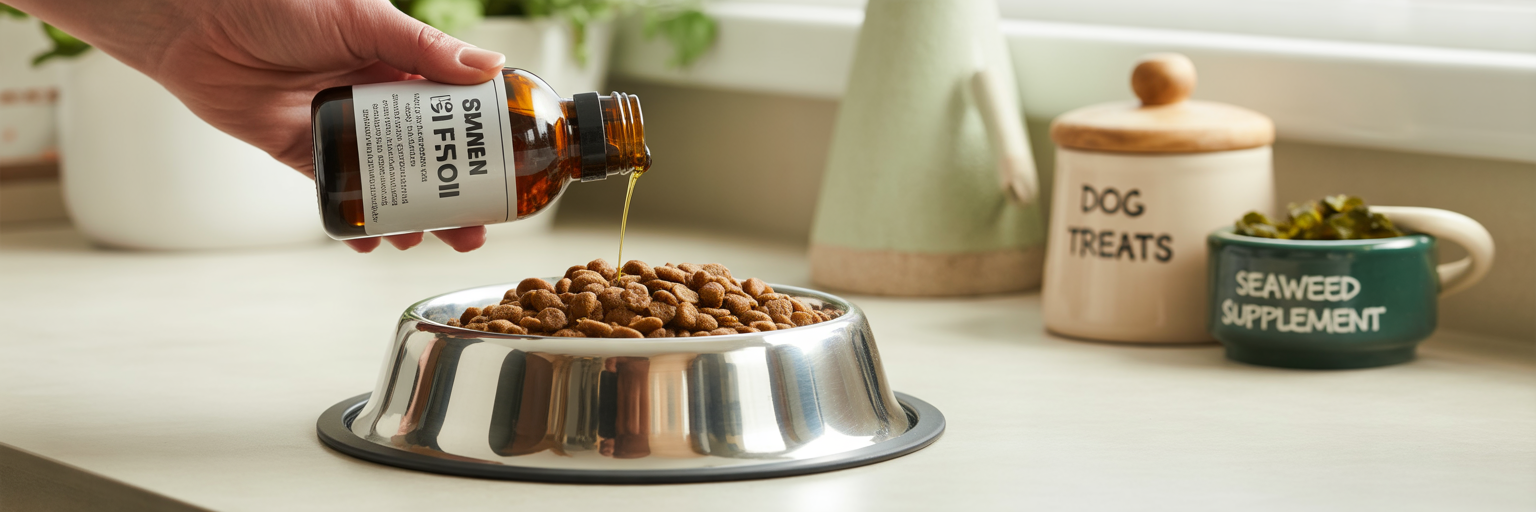
While brushes and shampoos manage shedding from the outside, a healthy coat truly starts from within. Your dog's diet plays a direct role in the strength and condition of their skin and hair. A well-nourished coat is more resilient and sheds less outside of the normal seasonal cycles. Making small, informed adjustments to their diet can have a visible impact.
The Role of Omega Fatty Acids
Omega-3 and Omega-6 fatty acids are crucial for maintaining healthy skin and a glossy coat. They help reduce inflammation and keep skin hydrated and supple, which can lessen non-seasonal shedding. Many high-quality dog foods are already enriched with them, but a boost during shedding season can be beneficial. Good sources include:
- Fish oil (from salmon, sardines, or anchovies)
- Flaxseed oil
- Specially formulated dog foods that list omega fatty acids as a key ingredient
Beneficial Supplements for Coat Support
Certain supplements can provide an extra layer of support for coat health. Holistic approaches often recommend natural ingredients to improve coat health. As noted by experts at Seaweed For Dogs, incorporating supplements like seaweed can provide essential minerals that support skin and reduce excess shedding naturally. Biotin and zinc are other supplements known to strengthen hair follicles. These additions can help ensure your dog's coat is getting everything it needs to stay in top condition.
The Importance of Hydration
It is a simple point, but one that is often overlooked. Proper hydration is essential for skin elasticity. Dehydrated skin can become dry and flaky, leading to increased hair loss. During the humid Dundee summers, ensuring your dog has constant access to fresh, clean water is vital. For dogs who are reluctant drinkers, you can try adding a little water to their dry kibble to increase their fluid intake.
Before adding any new foods or supplements to your dog's diet, it is always best to consult with your veterinarian. They can help you determine the right approach and dosage for your dog's specific needs, ensuring any changes are both safe and effective.
Creating a Shed-Resistant Home Environment
Even with the best grooming and nutrition, some fur will inevitably find its way onto your furniture, clothes, and floors. The final piece of the puzzle is managing your home environment. These strategies are not about eliminating fur entirely but about containing it, making cleanup easier and your living space more comfortable for everyone.
Here are four practical strategies to create a shed-resistant home:
- Invest in a High-Quality Vacuum Cleaner: A vacuum designed for pet hair is a worthwhile investment. Look for one with strong suction and a HEPA filter, which is excellent at trapping not just hair but also the dander and allergens that come with it. This is especially helpful for improving indoor air quality during damp summers.
- Use Washable Furniture Covers: This is one of the simplest and most effective ways to protect your sofas and chairs. A stylish, machine-washable throw or a fitted cover can be tossed in the laundry once a week, instantly removing a huge amount of accumulated fur.
- Consider Air Purifiers and Dehumidifiers: An air purifier can capture a surprising amount of airborne fur and dander before it even settles. In Dundee's humid climate, a dehumidifier can also make the indoor environment feel less sticky, which may help prevent loose fur from clinging to surfaces.
- Maintain Cleanliness of Dog Bedding: Your dog's bed is ground zero for shedding. Washing it weekly in hot water will kill dust mites and remove a massive amount of hair and allergens. A clean bed means less fur gets tracked through the rest of the house.
By incorporating these habits into your weekly cleaning routine, you can gain a sense of control over the fur and keep your home feeling fresh, even during the peak of shedding season.
Why Professional Grooming is a Summer Essential
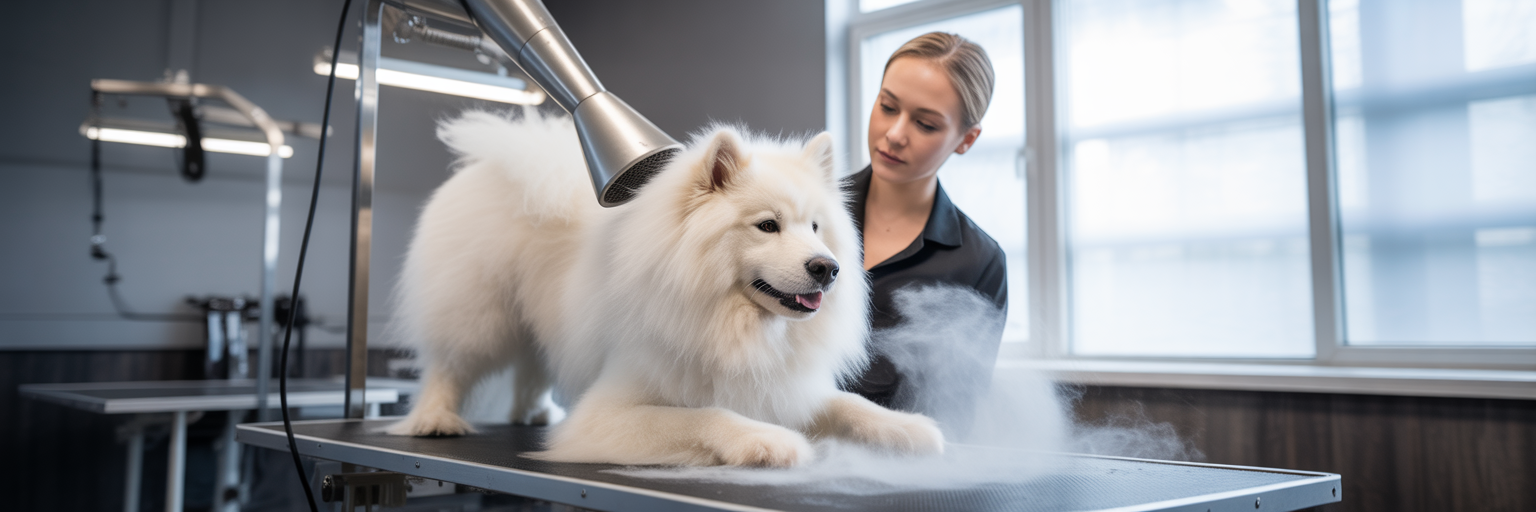
While a consistent home routine is fundamental, there are times when you need to call in the experts. Professional grooming is not a luxury; it is a vital component of summer dog care scotland, especially for long-haired breeds. A professional groomer has the tools, products, and expertise to achieve results that are difficult to replicate at home, setting your dog up for a more comfortable summer.
Access to Professional Tools and Expertise
Professional groomers use equipment that is a step above what most owners have at home. High-velocity dryers, for example, can safely and efficiently blow out a massive amount of dead undercoat in a way that no brush can. Their experience allows them to handle matted fur safely and groom sensitive areas with confidence, ensuring the process is stress-free for your dog.
Expert De-Shedding Treatments
Many people wonder what a professional de-shedding treatment actually involves. It is a multi-step process that combines specialised shampoos and conditioners that loosen the undercoat with thorough brushing and drying techniques. A key advantage is access to a professional dog de-shedding treatment, which can remove a vast amount of undercoat safely and effectively. The results can last for weeks, significantly reducing the amount of fur you see at home.
Identifying Hidden Health Issues
A groomer's hands are on your dog's entire body, and their trained eyes can spot issues you might miss. They are often the first to notice lumps, bumps, skin irritations, parasites, or ear infections hidden beneath a thick coat. This early detection allows you to seek veterinary care sooner, making your groomer an important partner in your dog's overall health.
Finding the Right Groomer in Dundee
With so many options available, finding the right professional can feel like a challenge. You want someone who is not only skilled but also a good fit for your dog's temperament and specific needs. This is where a dedicated resource becomes invaluable. Using a directory of professional dog groomers dundee allows you to compare services, read about their specialties, and find someone experienced with long-haired breeds. The process of choosing the right dog groomer in Dundee is made simpler when you can review qualified experts in one place.
By combining your efforts at home with the expertise of a professional, you can conquer the summer shed. Dog Grooming Dundee is here to connect you with the trusted, local professionals who can help keep your long-haired companion happy, healthy, and comfortable all season long.