
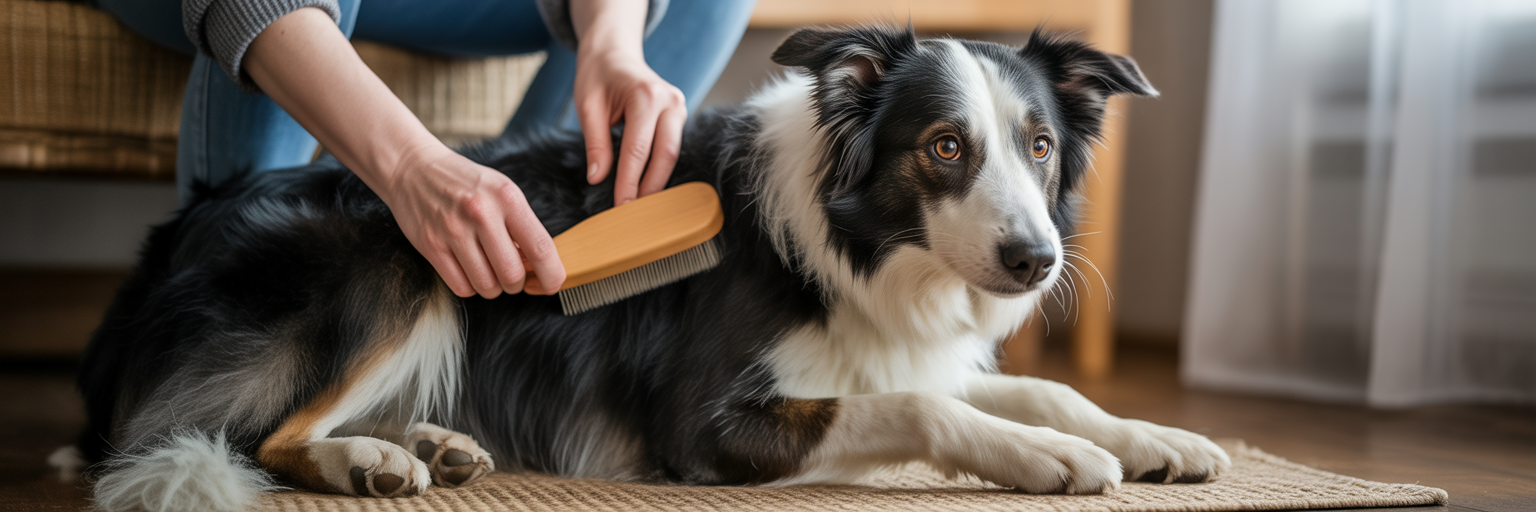
A Dundonian Dog Owner's Guide to Managing Shedding
Dundee's Climate and Your Dog's Coat
Anyone who has walked their dog along the River Tay knows the feeling of the persistent, damp air that rolls in from the North Sea. That same salty air that shapes our city’s character also has a significant impact on your dog’s coat. Managing shedding here in Dundee is not quite the same as it is elsewhere, and understanding why is the first step to getting it under control.
The key factor is humidity. In drier climates, dead hair falls away from a dog’s body with relative ease. Here, the high moisture content in the air causes that loose fur to cling to the surrounding coat. Instead of shedding cleanly, it gets trapped, forming clumps and mats. This creates a dense, damp layer against the skin that doesn't get a chance to breathe, which can lead to irritation and even painful skin conditions known as ‘hot spots’.
This issue is compounded by our unique seasonal patterns. Dundee’s mild, damp winters and windy springs mean we spend a lot of time indoors with the central heating on. This constant shift between the cool, moist air outside and the warm, dry air inside disrupts a dog's natural shedding cycle. Their bodies, which are meant to shed heavily in spring and autumn, get confused. The result is often a lower-grade but more prolonged shed that seems to last for months on end.
Effective coastal climate dog coat care is therefore not just about keeping your house clean. It is about proactive management to protect your dog’s skin and ensure they remain comfortable throughout the year. By understanding how our local environment affects their coat, you can move from constantly reacting to the fur on your furniture to implementing a routine that addresses the root cause.
Understanding Your Dog's Coat Type and Shedding Cycle
Before you can tackle the shedding, it helps to understand that it is a completely normal and healthy process for your dog. It is the natural way of discarding old or damaged hair to make way for new growth. This process happens in a continuous cycle, which can be broken down into three simple phases:
- Anagen: The active growth phase where new hair is produced.
- Catagen: A transitional phase where hair growth stops.
- Telogen: The resting phase where the old hair is held in the follicle before being pushed out by a new anagen hair. This is when shedding occurs.
The most significant factor determining how much your dog sheds is their coat type. Dogs generally have either a single coat or a double coat. A single-coated dog, like a Poodle or a Greyhound, has only one layer of hair. A double-coated dog has two layers: a soft, dense undercoat for insulation and a top layer of tougher ‘guard hairs’ that protect against water and dirt.
Many of the breeds we see around Dundee, from Labradors and Golden Retrievers to German Shepherds, are double-coated. Their undercoat is what causes the dramatic seasonal shedding, often called ‘blowing the coat’, where they lose huge amounts of fur in spring and autumn. Dundee's climate, as we have seen, can intensify this process. Proper dog grooming for double coat breeds is essential because their dense fur is particularly susceptible to trapping moisture and dead hair.
While seasonal shedding is normal, it is important to distinguish it from non-seasonal hair loss. Changes in diet, stress, allergies, or underlying health conditions can also cause a dog to shed more than usual. If you notice sudden, patchy hair loss, excessive scratching, or changes in your dog's skin, it is always best to consult with your veterinarian to rule out any medical issues. Knowing your dog’s specific coat type is the foundation for choosing the right tools and techniques to manage their shedding effectively.
Essential Home Grooming Tools for Shedding Control
Walking into a pet shop can be overwhelming, with shelves full of brushes, combs, and gadgets all promising to solve your shedding problems. The truth is, there is no single magic tool. The most effective approach involves using a combination of tools tailored to your dog’s specific coat type. Investing in a few quality items will make your home grooming sessions more effective and comfortable for both you and your dog.
For dogs with thick double coats, an undercoat rake is indispensable. This tool is designed to reach beneath the topcoat and gently pull out the loose, fluffy undercoat that is ready to shed. It prevents that dead hair from forming mats close to the skin. A slicker brush is another versatile tool, useful for medium to long-coated dogs. Its fine, bent wires are great for removing loose surface hair and working through minor tangles. However, it is important to use a light hand to avoid scratching the skin, a condition sometimes called ‘rake burn’.
You may have also seen blade-on-a-handle deshedding tools. These are extremely efficient at removing large volumes of dead undercoat and can be a lifesaver during peak shedding season for breeds like Labradors. A word of caution: these tools are powerful and should be used sparingly, perhaps once every week or two, with very light pressure. Overuse can damage the protective topcoat. For dogs with short, smooth coats like Boxers or French Bulldogs, a rubber curry comb or grooming mitt is perfect. It lifts fine, loose hairs while giving the skin a gentle massage that helps distribute natural oils.
Having the right equipment makes the task far less of a chore. For more information on how often your dog might need grooming, you can read our guide on the topic here. A consistent schedule with the correct tools is the secret to keeping shedding under control. When searching for the best brush for a shedding dog, consider your dog's coat first and foremost.
| Grooming Tool | Best For (Coat Type) | Primary Function | Key Usage Tip |
|---|---|---|---|
| Undercoat Rake | Double coats (e.g., German Shepherds, Huskies) | Removes loose, dead undercoat to prevent matting. | Use with gentle strokes, following the direction of hair growth. Do not pull through tangles. |
| Slicker Brush | Medium to long coats, curly coats | Removes loose surface hair, debris, and minor tangles. | Use a light hand and pat-and-pull motion to avoid scratching the skin (rake burn). |
| Blade-on-a-Handle Tool | Heavy shedding double coats (e.g., Labradors) | Efficiently removes large volumes of dead undercoat. | Use sparingly (e.g., every 1-2 weeks in peak season) with very light pressure to protect guard hairs. |
| Rubber Curry Comb / Grooming Mitt | Short, smooth coats (e.g., Boxers) and all coats during bathing. | Lifts fine, loose hair and massages the skin to stimulate oil production. | Use in firm, circular motions on dry coats or to lather shampoo during a bath. |
Step-by-Step Brushing and Bathing Techniques
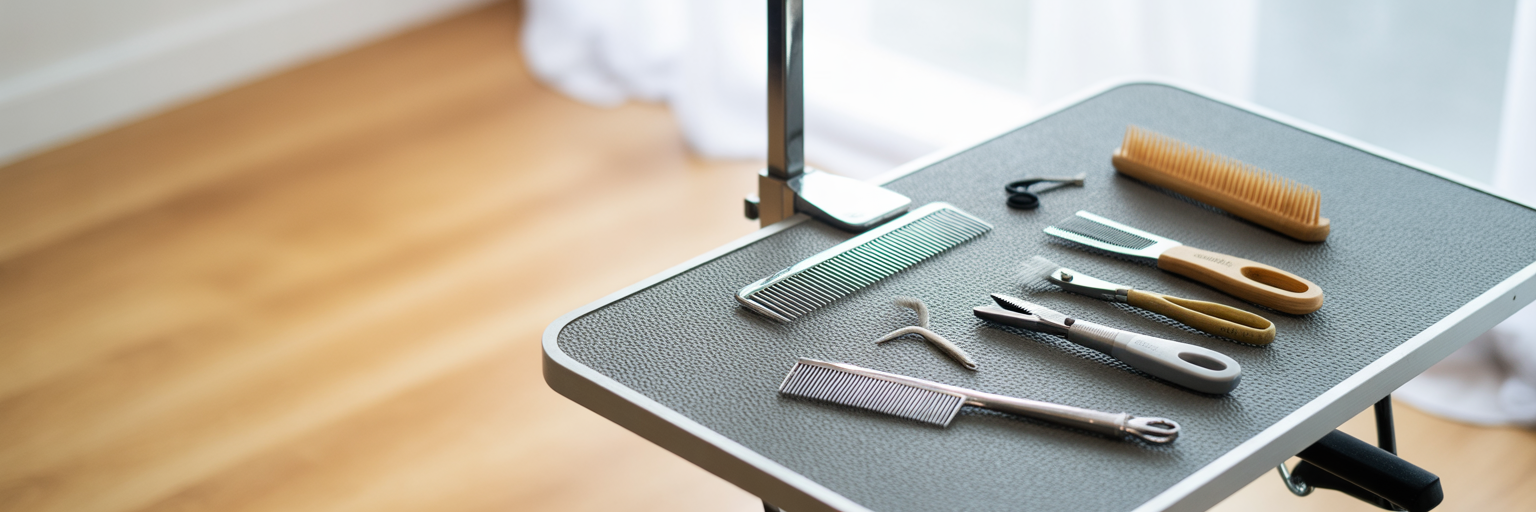
Owning the right tools is one thing, but using them correctly is what truly makes a difference. A proper technique not only removes more hair but also ensures the experience is a positive one for your dog. The key to how to manage dog shedding effectively is consistency and the right method.
For double-coated dogs, the most effective method is called ‘line brushing’. This technique ensures you get all the way down to the skin, where the shedding undercoat hides. Here is how to do it:
- Start with your dog lying comfortably on their side.
- Part the hair with one hand so you can see the skin.
- Using your undercoat rake or slicker brush, brush the small section of hair below the part, brushing away from the part line.
- Once that section is clear of loose fur, create a new part just above the one you brushed and repeat the process.
- Work your way up your dog’s body in sections. This systematic approach is far more effective than simply brushing over the top of the coat.
For short-coated dogs, the process is much simpler. A few minutes with a rubber curry comb, using firm, circular motions, will lift an surprising amount of dead hair and dander.
Bathing also plays a crucial role. Using a quality deshedding shampoo and conditioner can help loosen the undercoat. For those looking for a thorough clean that tackles shedding at the source, one of our specialised dog baths can make a significant difference. However, the most critical step in our damp Dundee climate is drying. Letting a double-coated dog air-dry can trap moisture against the skin. A high-velocity dryer is invaluable for blowing out both water and an incredible amount of loose undercoat. It is one of the best investments a long-haired dog owner can make.
Common Grooming Mistakes to Avoid:
- Never shave a double coat. It damages the guard hairs and ruins the coat’s natural ability to insulate against both heat and cold.
- Do not try to brush out severe mats. This is painful for the dog and often impossible. Severe matting requires professional attention.
- Avoid bathing too frequently. Over-bathing can strip the skin of its natural oils, leading to dryness and irritation.
Remember, a little bit of brushing done consistently is far better than an intense, infrequent grooming session.
The Role of Diet and Hydration in Coat Health
While brushes and shampoos are essential tools for managing the hair that is already loose, what you feed your dog has a profound impact on the health of their skin and coat from the inside out. A healthy coat is stronger, more resilient, and sheds more efficiently. Think of diet and grooming as a powerful two-pronged approach to shedding control.
One of the most important nutritional components for coat health are Omega-3 and Omega-6 fatty acids. These essential fats help maintain the skin’s natural moisture barrier, reducing dryness and flakiness. A well-hydrated skin barrier supports strong, healthy hair follicles. Sources of these fatty acids include fish oil, often from salmon or other oily fish, and flaxseed. Supplementing your dog’s diet with these oils, after consulting your vet, can lead to a noticeably glossier and less brittle coat.
Protein is also fundamental. Hair is made almost entirely of protein, so a diet rich in high-quality, easily digestible protein is crucial for strong hair growth. When looking at dog food labels, check for named meat sources like chicken, lamb, or beef listed as the first ingredients. This is a good indicator that the food provides the necessary building blocks for a robust coat.
Finally, do not underestimate the importance of simple hydration. Just like in humans, dehydration can lead to dry, unhealthy skin in dogs. Dry skin leads to weak hair follicles and a brittle coat that is more prone to breaking and shedding. Always ensure your dog has constant access to fresh, clean water. A healthy diet and proper hydration will not stop shedding completely, but they will ensure your dog’s coat is in the best possible condition to go through its natural cycles.
When to Use a Professional Groomer in Dundee
Even with the best home grooming routine, there are times when calling in a professional is the smartest move. A professional groomer is not a replacement for your daily efforts but a strategic partner in keeping your dog’s coat healthy and manageable. They have the specialised equipment and expertise to provide a level of care that is difficult to replicate at home.
A professional deshedding service Dundee groomers offer is far more than just a bath and a brush. It is an intensive treatment that uses a combination of deshedding shampoos, conditioners, and most importantly, high-velocity dryers. These powerful dryers can safely blow out a staggering amount of trapped undercoat that home tools simply cannot reach. This single treatment can significantly reduce shedding for weeks, making your own home maintenance much more effective.
Furthermore, if you discover mats in your dog’s coat, especially severe ones, it is crucial to seek professional help. Attempting to cut or brush them out at home is not only painful for the dog but also carries a high risk of cutting the skin. A professional groomer has the tools and skill to remove mats safely. For an intensive treatment, you can explore the details of a professional dog de-shedding treatment to see what is involved.
Scheduling professional grooms strategically can make a huge difference. Booking an appointment at the start of spring and autumn, just as the peak shedding seasons kick in, can help you get ahead of the fur-pocalypse. A professional groomer also acts as a second pair of eyes. They can assess your dog’s skin and coat condition, spot potential issues like lumps or skin irritations early, and recommend products tailored to your dog’s specific needs.
Ultimately, the most effective dog shedding solutions Dundee owners can implement involve a combination of consistent home care and periodic professional expertise. Finding the right local expert is the final step. The Dog Grooming Dundee directory is designed to connect you with trusted professionals in the area, ensuring your dog gets the best possible care for our unique coastal climate.