
A Dundonian Dog Owner's Guide to a Healthy Coat
Understanding Dundee's Climate and Your Dog's Coat
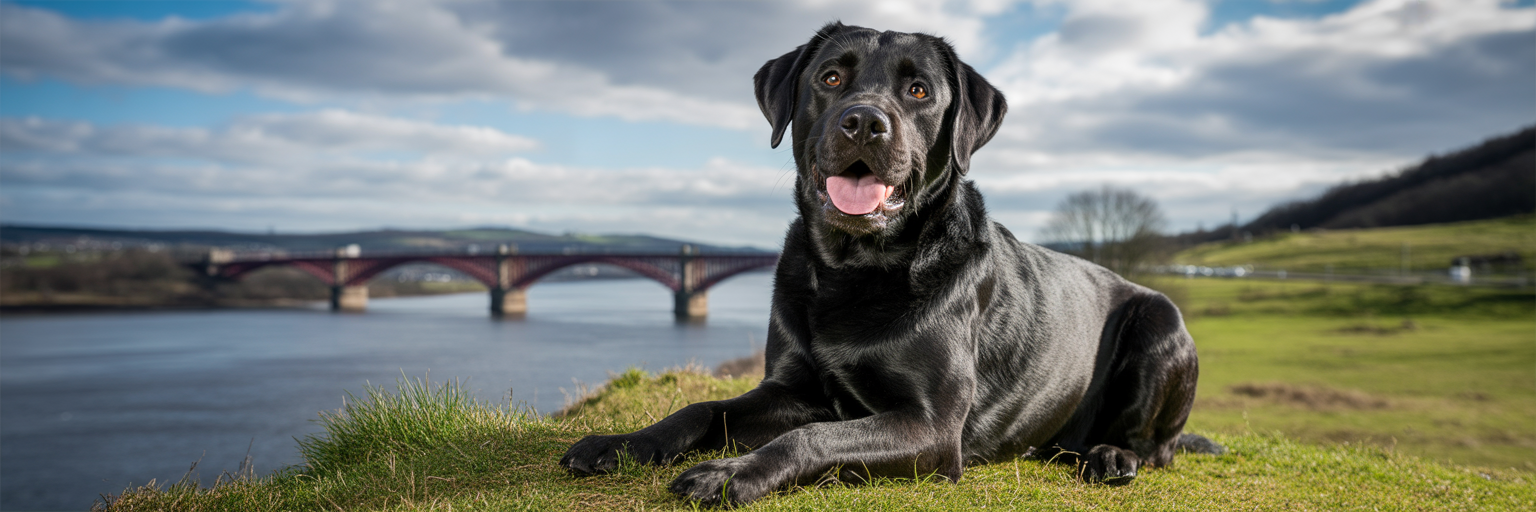
Dundee's position on the Tay estuary has shaped its history, but the persistent coastal haar and damp air also shape the daily lives of its four-legged residents. That unique climate, while beautiful, presents specific challenges for maintaining a healthy dog coat. The city's characteristic dampness and cool temperatures mean a dog's fur can easily trap moisture after a walk, leading to practical problems that many owners know all too well.
This trapped moisture can cause stubborn matting, hold onto dirt, and create that pervasive 'damp dog' smell that lingers in the house. Different coats react in different ways. A dense, double-coated Labrador might hold moisture deep in its undercoat for hours, while the fine, silky hair of a Spaniel can tangle into tight knots when wet. Understanding this is the first step toward providing the right care.
Prolonged dampness against the skin is a primary cause of irritation. This is where many dog skin problems damp weather can originate, as the constant moisture compromises the skin's natural barrier, making it more sensitive. A healthy coat is far more than just an aesthetic concern. It serves as your dog's essential insulation against the cold and is the first line of defence for its skin. Keeping it in top condition is fundamental to their overall comfort and wellbeing in our coastal city.
Establishing a Core Brushing Routine
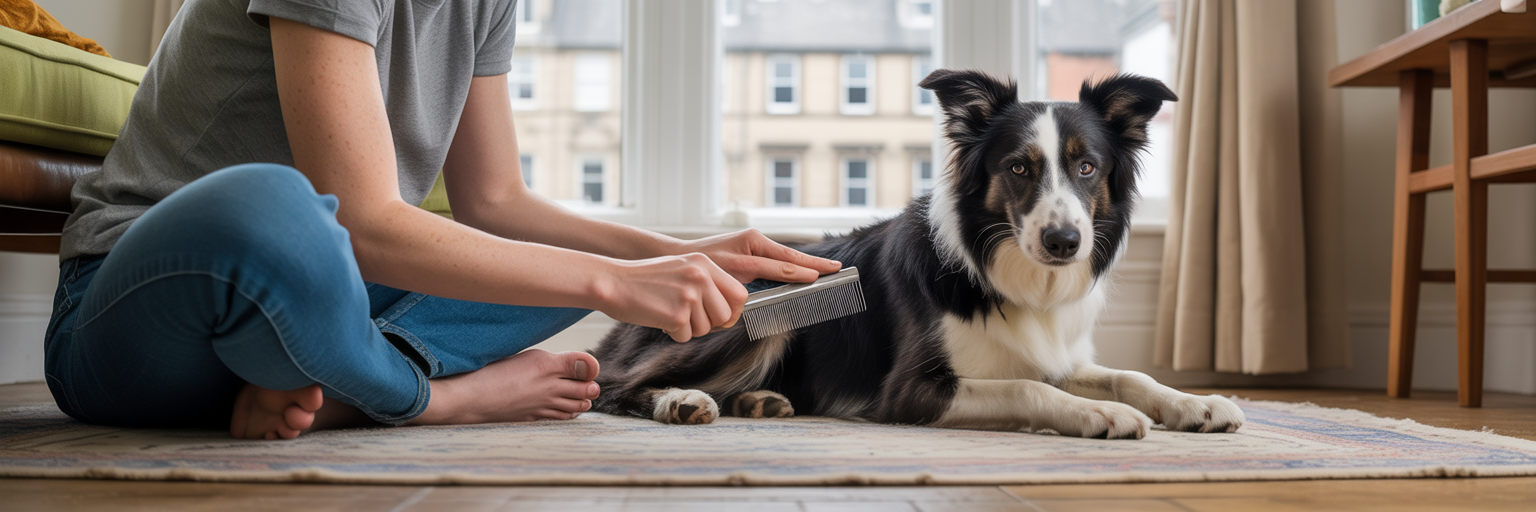
With the challenges of Dundee's climate in mind, a consistent brushing routine becomes less of a chore and more of a preventative measure. Regular brushing is the cornerstone of good coat care, designed to remove loose fur before it has a chance to mat and to distribute the natural oils that protect your dog's skin. Think of it as daily maintenance that stops small issues from becoming painful problems. The key is using the right technique for your dog's specific coat type.
Brushing Techniques for Long-Haired Breeds
For dogs with long or double coats, such as Golden Retrievers or German Shepherds, a simple once-over with a brush is not enough. The most effective method is line brushing. This involves parting the hair in sections and brushing the fur away from the parting, working layer by layer from the skin outwards. Start with a slicker brush to work through the topcoat and remove loose undercoat, then follow up with a metal comb. Running the comb through the fur right down to the skin ensures you have not missed any hidden tangles, which are often the starting point for painful mats.
Guidance for Short-Haired Breeds
It is a common misconception that short-haired breeds like Staffies or French Bulldogs do not need brushing. While they may not get dramatic tangles, they still shed and benefit greatly from regular grooming. Using a rubber curry comb or a grooming mitt once or twice a week helps to remove dead hair and dander. More importantly, the gentle massaging action stimulates blood flow to the skin, promoting a healthier and shinier coat from the roots.
Handling Tangles and Mats Safely
When you discover a tangle or a small mat, your first instinct might be to pull at it. You must resist this urge, as it can cause significant pain and distress for your dog. Instead, try to gently work the mat apart with your fingers. If that doesn't work, a de-matting comb can be used to carefully split the mat into smaller, more manageable sections. The golden rule of how to brush a dog with mats is to always hold the fur at the base, close to the skin, to prevent pulling. For severe tangles that you cannot safely remove at home, professional de-matting services are the safest option for your pet.
Bathing and Drying Best Practices for a Damp Climate
One of the most common questions we hear is how often a dog should be bathed. In a damp climate like ours, the answer is not based on a rigid schedule. It is better to bathe your dog only when they are visibly dirty or have developed a strong odour, perhaps after a muddy adventure through Magdalen Green or along the Dighty Burn. Over-bathing can strip the coat of its natural protective oils, leaving the skin vulnerable.
When a bath is necessary, always use a shampoo formulated specifically for dogs. Human shampoos have a different pH balance that can irritate a dog's skin and disrupt the coat's natural defences. The most critical part of the process, however, is the drying. In a place where things struggle to air-dry, ensuring your dog is completely dry is vital for preventing skin issues.
Follow these steps for a thorough and safe drying routine:
- Start with a thorough towel-dry. Use an absorbent microfibre towel to blot and squeeze as much water as possible from the coat.
- If your dog tolerates it, use a hairdryer on a low-heat and low-speed setting. Keep the dryer moving constantly to avoid concentrating heat on one spot, which could burn the skin.
- Pay special attention to double-coated breeds. You must ensure the dense undercoat is dry right down to the skin. Lingering dampness in this layer is a common cause of hot spots and fungal infections.
As a final practical tip, consider placing a piece of cotton wool in your dog's outer ears before the bath. Do not push it in deep. This simple step helps prevent water from entering the ear canal, a frequent cause of uncomfortable and persistent ear infections.
Adapting Coat Care for Dundee's Seasons
A smart grooming routine is not static; it adapts to the changing demands of the seasons in Dundee. What your dog’s coat needs in the mild days of May is very different from what it requires during a wet November. Adjusting your approach throughout the year is one of the most effective healthy dog coat tips you can follow.
Spring: Managing the Moult
As the days get longer and warmer, you will likely notice a lot more fur around the house. This is the spring moult, when dogs shed their heavy winter undercoat to prepare for summer. This is the peak season for dog shedding in spring. To manage this, you should increase brushing frequency, aiming for a daily session if possible. Using a de-shedding tool or an undercoat rake during this time can make a significant difference, removing the dead fur before it ends up on your furniture.
Summer: Post-Walk Checks
Summer in Dundee means more time outdoors, with trips to Broughty Ferry beach or long walks in Camperdown Park. After these excursions, it is essential to perform thorough post-walk checks. Carefully inspect your dog's paws and coat for grass seeds, which can burrow into the skin, and for parasites like ticks. It is also a common myth that shaving a double-coated dog helps them stay cool. In reality, a well-maintained coat provides insulation from the heat as well as the cold, so resist the urge to shave and focus on regular brushing instead.
Autumn & Winter: The Wet Weather Routine
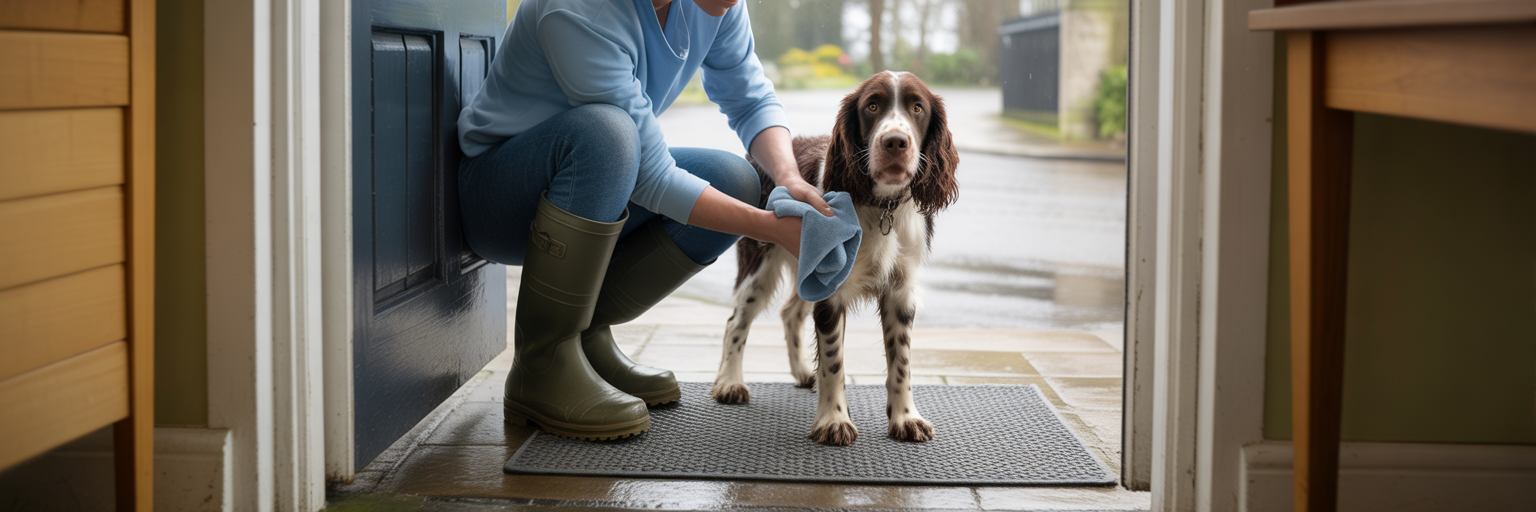
As autumn and winter bring near-constant dampness, a consistent post-walk ritual becomes essential. Keep a dedicated towel by the door to wipe down your dog's paws, legs, and underbelly every time you come inside. This simple habit not only keeps your floors clean but, more importantly, prevents prolonged contact with moisture that can lead to skin irritation and soreness.
| Season | Key Challenge | Primary Action | Recommended Tool |
|---|---|---|---|
| Spring | Heavy shedding (moulting) of winter coat. | Increase brushing frequency to daily. | De-shedding tool or undercoat rake. |
| Summer | Grass seeds, parasites, and salt from beach trips. | Perform thorough checks of paws and coat after every walk. | Fine-toothed comb and tweezers. |
| Autumn | Constant mud and dampness. | Wipe down paws and belly after every walk. | Microfibre towel. |
| Winter | Prolonged wetness and cold. | Ensure coat is dried thoroughly to the skin after walks. | Towel and low-heat hairdryer. |
The Role of Nutrition in Coat Condition
While brushing and bathing are essential, a truly healthy coat starts from within. A dull, brittle, or flaky coat can often be an early indicator of a nutritional deficiency that no amount of external grooming can fix. The food your dog eats provides the building blocks for every strand of fur and every skin cell.
Essential fatty acids, particularly Omega-3 and Omega-6, play a critical role in promoting a glossy coat and maintaining healthy, supple skin. These can be found in high-quality commercial dog foods or added as a supplement, such as salmon oil. When choosing the best dog food for coat health, take a moment to read the label. Look for a food that lists a named meat source, like chicken or lamb, as the very first ingredient, rather than grains or meat by-products.
As highlighted by animal welfare organisations like the Scottish SPCA, a balanced diet is fundamental to a dog's overall healthcare, which directly impacts their skin and coat. Finally, do not overlook the importance of hydration. Just like in humans, dehydrated skin can become dry and flaky, which in turn affects the coat's appearance and health. Always ensure your dog has access to fresh, clean water.
How to Spot and Prevent Common Skin Problems
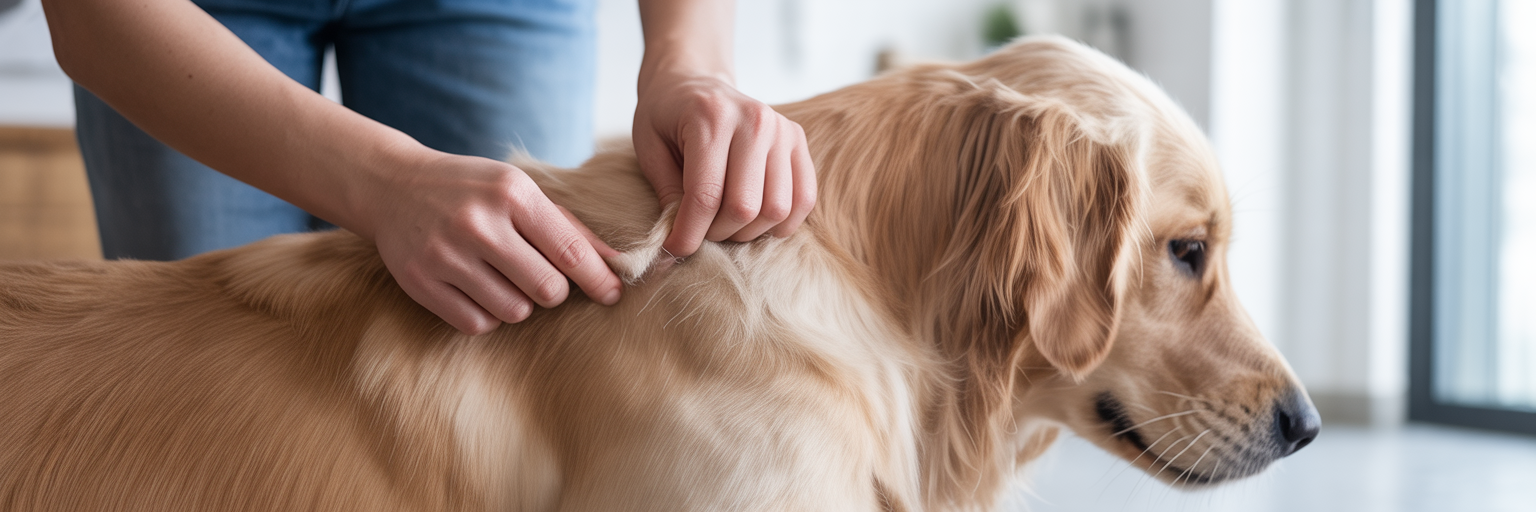
The final piece of the puzzle is empowering you, the owner, to be proactive in monitoring your dog's skin health. Regular grooming sessions are the perfect opportunity to perform a quick 'skin check'. By making this a habit, you can catch potential issues early before they become serious problems. Part the fur in several places and take a close look at the skin underneath.
During your check, you should be looking for:
- Redness or inflammation
- Lumps, bumps, or sores
- Flaky or scaly patches
- Bald spots or thinning fur
- Any signs of excessive scratching or licking in a particular area
Parasites, especially fleas, thrive in our temperate climate and can be a year-round nuisance. Check for them by parting the fur near the base of the tail and around the neck, looking for tiny black specks known as 'flea dirt'. A vet-approved preventative treatment is the most effective way to keep them at bay. You should also be aware of skin issues related to dampness, such as 'hot spots'. These are angry, red, and often weeping areas of skin that can appear suddenly. The best prevention is the advice we have stressed throughout: keeping the coat as dry as possible.
While good grooming is your best preventative tool for dog grooming Dundee, persistent skin issues always require a professional diagnosis. If you're unsure about any skin condition or need help choosing the right approach, consulting with a professional is always the best course of action. Finding the right dog groomer in Dundee can provide you with expert advice tailored to your dog's specific needs.