

A Dundee Dog Owner’s Guide to Managing Shedding
Understanding Shedding in Dundee’s Coastal Climate
Anyone living in Dundee knows the feeling of the persistent damp air that rolls in from the River Tay. It seeps into our coats and makes for misty morning walks. What many dog owners don't realise is that this same coastal climate has a significant effect on their dogs' coats and shedding patterns. The problem of dog shedding in Dundee is not just a twice-a-year event; it's a constant, year-round reality.
In other parts of the country with more distinct seasons, dogs often have a major "coat blow" in spring and autumn. Here, the consistent humidity and moderate temperatures mean that shedding cycle is less dramatic but far more persistent. Instead of a massive shed, many dogs experience a steady, low-grade loss of fur throughout the year. This requires a shift in mindset from reacting to a seasonal mess to adopting a proactive, consistent maintenance routine.
This constant dampness poses more than just a housekeeping challenge. When moisture gets trapped in a dense undercoat, it creates the perfect warm, humid environment for bacteria to thrive. This can lead to painful skin conditions like hot spots, fungal infections, and general irritation. Suddenly, grooming is no longer about appearance; it becomes an essential part of your dog's health and comfort.
Of course, not all dogs are the same. A Labrador's double coat has very different needs from a Border Terrier's wiry jacket or a Setter's long, flowing hair. A one-size-fits-all approach to grooming is ineffective, especially in our unique maritime climate. The following sections will provide tailored advice for different coat types, because understanding your dog's specific needs is the first step toward effective management. The key takeaway is simple: consistent daily and weekly grooming is the most effective strategy for managing shedding and preventing skin problems for a happy, healthy dog in Dundee.
Essential Brushing Techniques for Every Coat Type
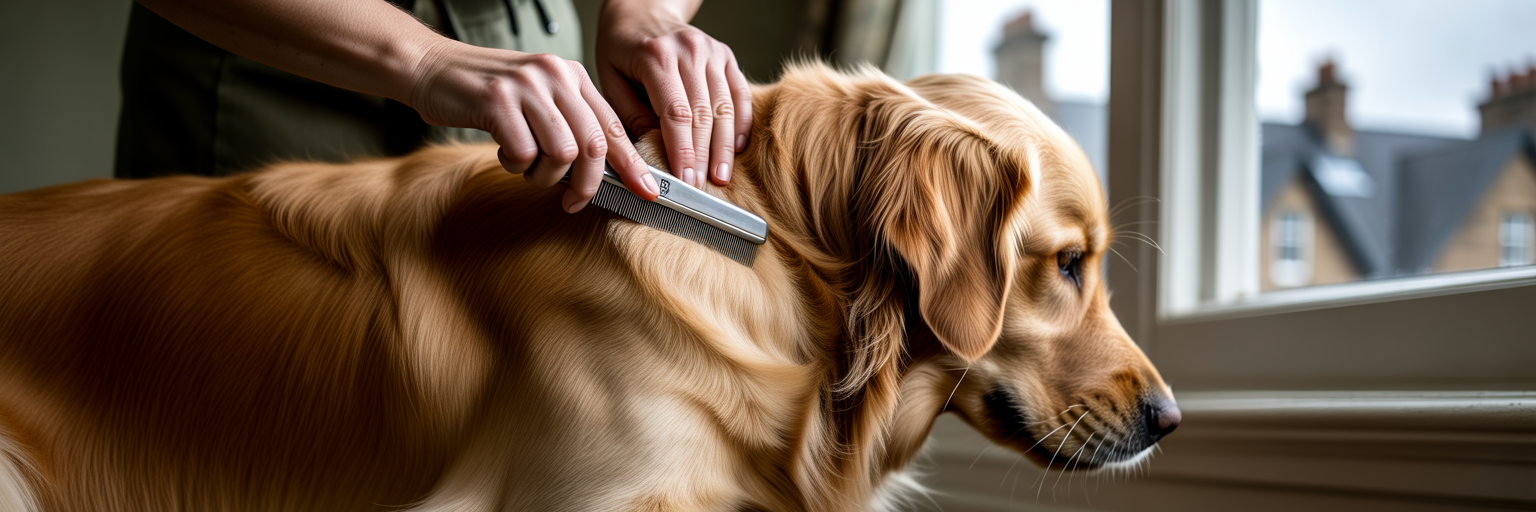
With the understanding that year-round care is necessary, the next step is mastering the practical skills of brushing. The right technique and tools can transform grooming from a chore into an effective bonding experience that keeps your dog’s coat healthy and your home cleaner. This isn't just about running a brush over the top layer of fur; it's about methodically maintaining the entire coat, right down to the skin.
Tackling the Undercoat on Double-Coated Breeds
Breeds like Labradors, German Shepherds, and Huskies have a dense, soft undercoat for insulation and a tougher topcoat for protection. In Dundee's damp air, that undercoat can become a sponge for moisture. The goal here is to remove dead, loose fur to improve airflow, not just to smooth the surface. An undercoat rake is excellent for this. Use it with gentle, short strokes, moving in the direction of hair growth. Think of it as carefully thinning out a dense thicket to let the air circulate. Follow up with a slicker brush to remove any remaining loose fur from the topcoat. This routine, performed two to three times a week, is fundamental to preventing moisture-related skin issues.
Mastering Line Brushing for Long-Haired Dogs
For owners of Golden Retrievers, Setters, or Spaniels, the main challenge is preventing deep mats that trap dampness and debris. This is where line brushing becomes an invaluable technique. Instead of brushing over the top, you part the hair in a horizontal line, exposing the skin. Then, you brush the hair down, layer by layer. This methodical approach ensures you reach every strand from root to tip. A slicker brush is often the best brush for a shedding dog with this coat type, followed by a comb to check your work. It takes patience, but daily or every-other-day line brushing is the most reliable way to prevent painful tangles that can quickly escalate in a humid environment.
Maintaining the Protective Qualities of Wiry Coats
Terrier breeds and other wiry-coated dogs have a coarse, weather-resistant outer coat that acts like a natural raincoat. While they tend to shed less, improper grooming can damage this protective texture. Clipping, for example, cuts the hair and can make the coat soft and less water-resistant over time. The traditional method for maintaining this coat is hand-stripping, a professional technique where dead hairs are pulled out by hand to encourage new, coarse hair to grow in. For home maintenance, a weekly session with a slicker brush helps remove loose hair and dirt without compromising the coat's integrity.
The Final Check: Using a Comb to Find Hidden Tangles
Regardless of your dog's coat type, the final step in any brushing session should be a thorough check with a metal comb, often called a greyhound comb. After you think you've finished brushing, glide the comb through the fur. If it snags, you’ve found a hidden tangle that the brush missed. Pay special attention to high-friction areas like behind the ears, in the armpits, and around the collar. Catching these small knots early prevents them from turning into large, painful mats. Establishing this routine is key, and understanding how often a dog should be groomed is the first step to success.
| Coat Type | Primary Challenge in Dundee Climate | Recommended Tools | Brushing Frequency |
|---|---|---|---|
| Double Coat (e.g., Labrador, Husky) | Dense undercoat traps moisture, leading to hot spots. | Undercoat Rake, Slicker Brush, Metal Comb | 2-3 times per week |
| Long Hair (e.g., Golden Retriever, Setter) | Prone to deep mats that hold dampness and debris. | Slicker Brush, Metal Comb, Pin Brush | Daily or every other day |
| Wiry Coat (e.g., Border Terrier) | Coat can lose water-resistance if improperly groomed. | Slicker Brush, Stripping Knife (for professionals) | Weekly brushing; professional hand-stripping 2-4 times a year |
| Smooth, Short Coat (e.g., Beagle, Bulldog) | Fine hairs embed in furniture; skin is more exposed. | Rubber Grooming Mitt, Bristle Brush | Once per week |
The Role of Bathing and Drying in a Humid Environment
Bathing a dog seems straightforward, but in a humid environment like Dundee's, it comes with its own set of rules. The goal is to clean the coat without stripping the natural oils that provide a barrier against moisture. Over-bathing is a common mistake; it can lead to dry, flaky skin that becomes itchy and more susceptible to irritation. For most dogs, a bath every 4-6 weeks is plenty, unless they’ve had a particularly muddy adventure.
Choosing the right shampoo is also important. Look for pH-balanced, moisturizing formulas that replenish the skin's natural barrier. Specially formulated de-shedding shampoos can also be helpful, as they contain ingredients that help loosen dead fur in a controlled way during the bath. This makes the subsequent brushing session more effective. Think of these products as supportive tools in your overall strategy for how to manage dog shedding.
However, the most critical part of the bathing process in our climate is the drying. A damp undercoat is a welcome mat for fungal and bacterial infections. Simply towel-drying is not enough for most dogs, especially those with thick or long coats. After a thorough towel dry to remove excess water, you must follow up with a blow-dryer on a low-heat, low-speed setting. Keep the dryer moving constantly to avoid concentrating heat on one spot. Your goal is to get the coat, particularly the dense undercoat, completely and totally dry. While home bathing is effective, a professional service often includes high-velocity dryers that ensure even the densest coats are fully dry, a key benefit of dedicated dog baths.
A final note of caution: while grooming products are beneficial, they are not miracle cures. As grooming experts highlighted in The Scotsman's Dog Shedding Survival Guide, a combination of proper nutrition, regular brushing, and correct bathing techniques is essential. If your dog has a persistent skin issue, avoid experimenting with medicated shampoos on your own. Always consult a veterinarian to get an accurate diagnosis and treatment plan to avoid unintentionally making the problem worse.
Grooming Protocols for Coastal Outings
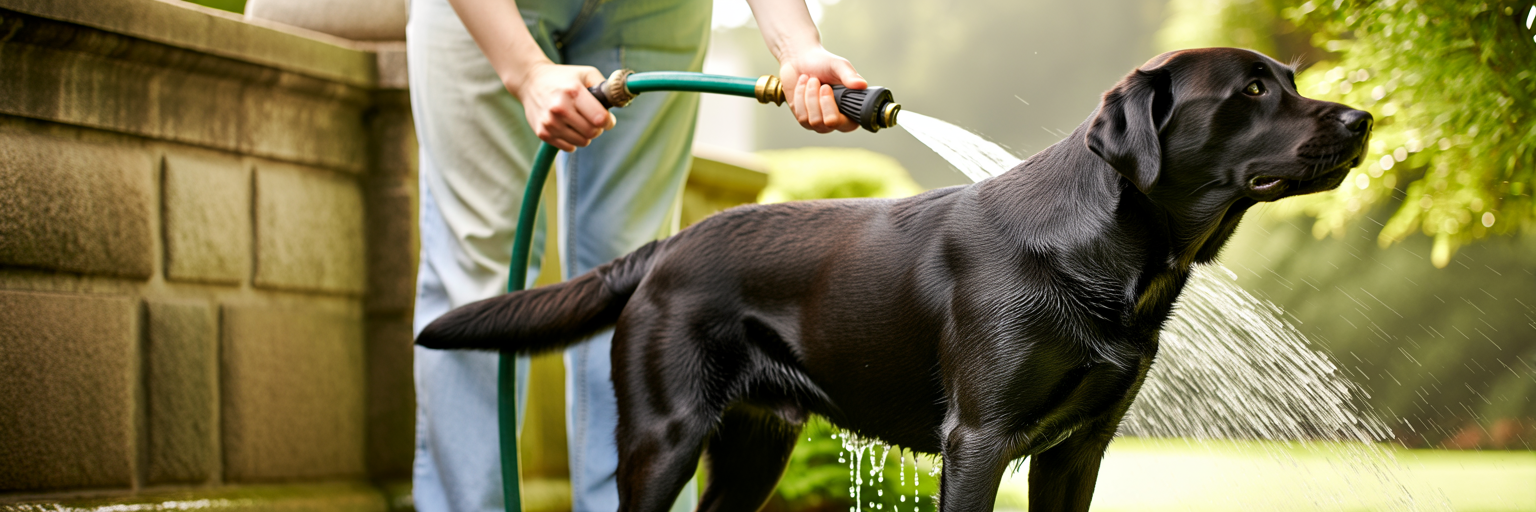
A walk along Broughty Ferry or Monifieth Beach is one of the great joys of being a dog owner in Dundee. However, these coastal adventures require a specific post-walk care routine to protect your dog's skin and coat from the effects of salt, sand, and dampness. Integrating these simple steps can prevent irritation and long-term damage.
Here is a simple post-beach care checklist to follow after any coastal outing:
- Rinse with Fresh Water: This is the most important step. As soon as you get home, give your dog a thorough rinse with clean, fresh water. Salt from the sea is incredibly dehydrating for both skin and fur, leaving it brittle and dry. Sand acts like fine-grade sandpaper, causing micro-abrasions on the skin that can become irritated. A quick but comprehensive rinse is your first line of defence. This simple habit is a cornerstone of good dog grooming in Broughty Ferry and other coastal areas.
- Inspect and Dry Paws: Sand and salt can easily get trapped between your dog's paw pads, leading to painful sores and cracking. After rinsing, gently separate the pads and make sure they are completely clean and dry. Regular inspection is key, but if you notice persistent dryness or cracking, professional dog paw pad care can provide deep conditioning and relief.
- Consider a Protective Spray: For dogs with light-coloured coats or thin fur, the sun's reflection off the water can pose a risk. A canine-safe conditioning spray, especially one with UV inhibitors, can help protect the coat and skin from sun damage while also making it easier to brush out any remaining sand.
This vigilance shouldn't be reserved just for beach days. Even after a walk through damp grass at Camperdown Country Park or on a misty morning, the same principles apply. A quick towel-down of your dog's legs, belly, and paws is a necessary habit. Preventing the coat from remaining damp is a constant theme in our climate, and this small effort goes a long way in preventing skin issues from developing.
When to Seek Professional Grooming Support
Even with the most diligent home grooming routine, there are times when the expertise and specialised equipment of a professional groomer are invaluable. Knowing when to ask for help is not a sign of failure; it's a smart part of responsible pet ownership. Professionals can tackle issues that are difficult or impossible to manage at home, giving your dog's coat a reset and making your daily maintenance easier.
A professional de-shedding treatment for dogs, for example, is far more intensive than what can be achieved at home. Groomers use a combination of specialised shampoos, conditioners, and high-velocity dryers that safely and effectively blow out a huge volume of loose undercoat. Think of it as a seasonal deep clean that complements your regular tidying. For dogs with heavy double coats, scheduling one of these treatments every few months can dramatically reduce the amount of shedding you see at home.
For wiry-coated breeds, professional hand-stripping is essential to preserve the coat's correct texture and weather-resistant properties. This is a skilled technique that is best left to a groomer with experience in the method. It ensures the coat continues to do its job of protecting your dog from Dundee's damp weather.
Here are a few clear signs that it’s time to book a professional appointment:
- Mats you can't gently brush out: If a comb can't pass through a tangle, never try to cut it out with scissors. A groomer can safely shave or split the mat without risking injury to the skin.
- Persistent skin redness or irritation: A professional can give you a second opinion and may spot something you've missed.
- A dull, impacted, or greasy coat: If the coat still looks unhealthy despite regular brushing, it may need a professional deep clean and conditioning.
Finding a groomer with expertise in the specific techniques your dog needs is crucial. A curated local directory simplifies this search, helping you connect with the right specialist for your dog's breed and coat type right here in Dundee. A professional de-shedding treatment for dogs, for instance, uses specialized equipment to safely and effectively remove loose undercoat, significantly reducing shedding at home.
Creating a Shed-Resistant Home
The final piece of the puzzle is managing the hair that inevitably makes its way into your living space. While perfect grooming will significantly reduce shedding, no dog is 100% shed-free. Creating a home environment that is easy to clean makes living with a dog much more pleasant and less stressful. These practical home management solutions are the last of our coastal dog grooming tips, bringing together care for your pet and your home.
Here are a few actionable tips for a cleaner, more shed-resistant home:
- Use Washable Covers: Invest in washable covers for sofas, chairs, and any other furniture your dog likes to relax on. Throws and blankets are easy to toss in the wash, which is far simpler than trying to vacuum upholstery. The same goes for your dog's bed; a removable, machine-washable cover is a must.
- Choose Flooring Wisely: Hard surfaces like wood, laminate, or tile are significantly easier to clean than deep-pile carpets, where hair can get deeply embedded. If you have carpets, a daily sweep with a rubber broom or a vacuum cleaner designed for pet hair will make a world of difference.
- Purify the Air: An air purifier with a HEPA filter can be a fantastic tool for managing a shedding dog. It works quietly in the background, trapping airborne dander and fine hairs that would otherwise settle on surfaces. This not only keeps the house cleaner but also improves air quality for the entire family.
Finally, it's important to debunk a common myth. There is no such thing as a truly "hypoallergenic" dog. Allergic reactions are typically caused by dander (dead skin cells) and saliva, not just the hair itself. Since all dogs produce dander, managing the home environment is a critical part of the solution for everyone, not just those with allergies. By combining a consistent grooming routine with a smart home management strategy, you can enjoy all the benefits of life with your dog, even in our unique Dundee climate.