
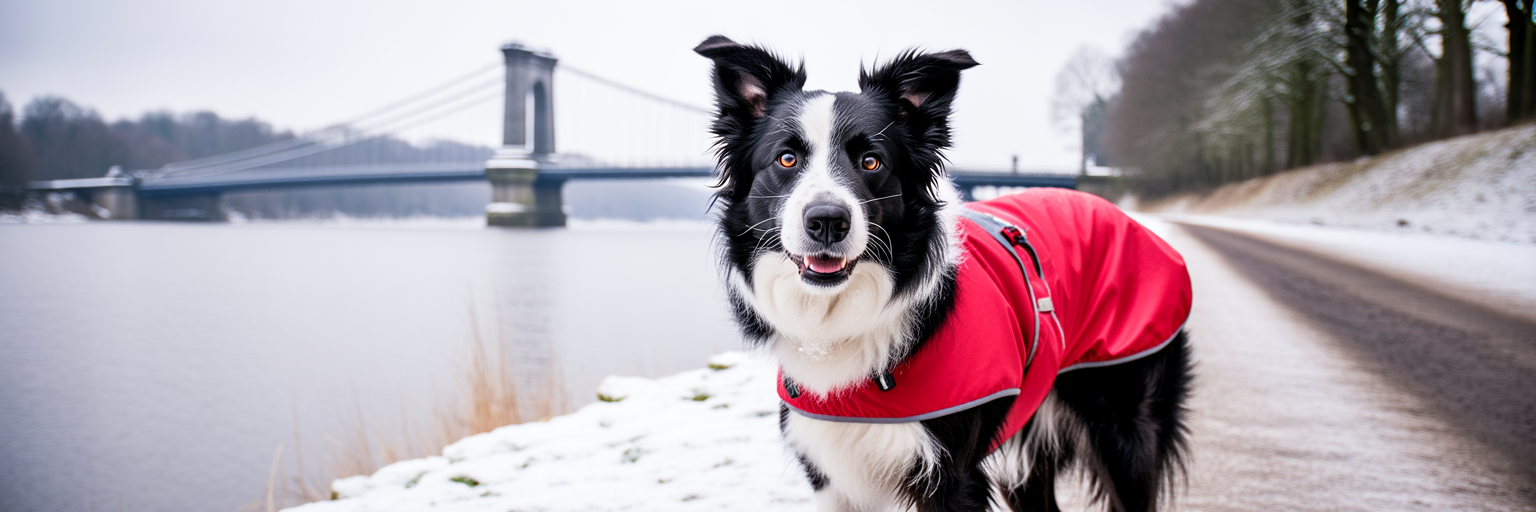
A Dundee Dog Owner's Guide to Winter Coat and Paw Care
Anyone who has walked along the Tay estuary on a January morning knows that a Dundee winter is a unique blend of damp, cold, and grit. While we pull on our boots and hats, our dogs face this weather head on. The combination of coastal air, road salt, and persistent mud creates a specific set of challenges that require more than just a quick wipe at the door.
Dundee's Unique Winter Challenges for Your Dog
A winter walk in Dundee isn't just about the cold. It's about the specific environmental factors that can affect your dog's health and comfort. The city's proximity to the coast means the air is consistently damp, and the pavements are often treated with a harsh mixture of salt and abrasive grit to combat ice. This isn't just an inconvenience, it's a direct threat to your dog's paws.
The salt and chemicals used on roads and pavements are incredibly drying. They can quickly turn soft, healthy paw pads into dry, irritated skin. Without intervention, this can progress to painful cracking and even chemical burns. What’s more, dogs instinctively lick their paws to clean them. This means they can ingest these toxic chemicals, leading to stomach upset or worse. Protecting dog paws from salt is therefore not just about comfort, but about their overall health.
Then there is the mud. Dundee's damp climate means parks and trails are often saturated, leading to muddy underbellies and legs. This isn't just a cleaning issue. When mud dries in a dog's coat, it pulls the fur into tight clumps, which can lead to painful matting. These mats trap moisture against the skin, creating the perfect environment for irritation and bacterial infections, often called 'hot spots'. This is a problem that owners in drier, colder climates rarely face to the same extent.
Finally, a damp coat is a dangerous coat. The chilling North Sea air means a wet dog struggles to dry naturally. A wet undercoat loses all its insulating properties, leaving your dog vulnerable to the cold and increasing the risk of hypothermia. These interconnected issues show why specific winter dog care tips Scotland are so important. The advice that follows is designed to address these very real, very local challenges.
Pre-Walk Preparations to Shield Paws and Coat
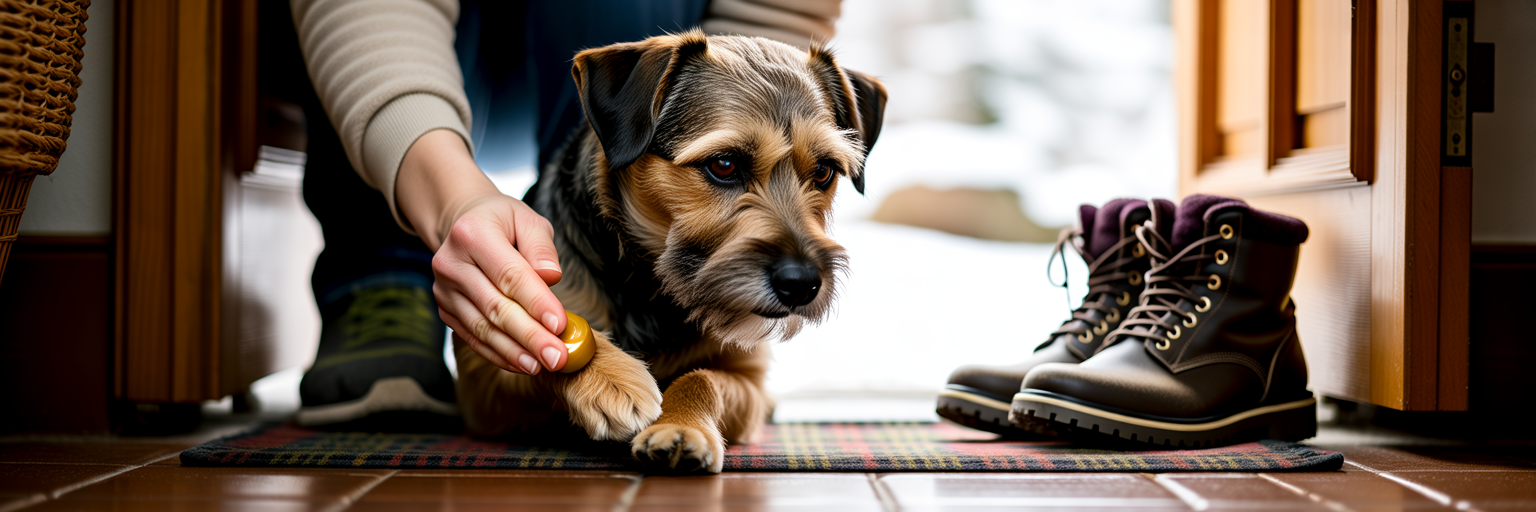
The best way to handle winter's effects on your dog is to prepare for them before you even step out the door. A few minutes of proactive care can prevent hours of cleaning and discomfort later. This routine is about creating a protective barrier between your dog and the harsh elements of a Dundee winter.
Your first line of defence should be the paws. Applying a dog-specific paw balm or wax creates a semi-permeable shield on the pads. This barrier doesn't completely block moisture, which is important for paw health, but it does prevent direct, prolonged contact with salt and grit. Think of it as a waterproof jacket for their feet. Consistent application is a cornerstone of good dog paw pad care, helping to maintain skin integrity throughout the harsh winter months.
Next, consider the fur around the paws. Carefully trimming the hair between the pads and around the paw itself is a simple but highly effective step. This prevents the formation of painful ice balls that can form when snow and slush get trapped in the fur. It also significantly reduces the surface area where mud and salt can accumulate, making the post-walk clean-up much easier.
A well-fitting, waterproof jacket is another essential piece of winter gear. Its purpose is twofold. It provides an obvious layer of warmth, but just as importantly, it keeps your dog's core clean and dry. A dry dog is a warm dog, and a clean coat means you won't be spending half an hour trying to remove mud from their back and sides. This simple piece of equipment can drastically reduce your post-walk workload.
One final, often overlooked point is the potential for matting caused by winter gear. The friction from harnesses and coats, especially on a damp coat, can quickly create tangles. This is a key factor in dog matting prevention winter. Before you head out, check that your dog's coat or harness fits snugly but is not restrictive. Pay special attention to high-friction areas like behind the front legs and around the chest, as this is where mats often start to form.
Smarter Strategies for Winter Walks in the City
With your dog prepped and ready, the walk itself becomes the next area for strategic thinking. Where you walk, for how long, and what you watch for can make a huge difference in your dog's comfort and safety. It’s about balancing their need for exercise with the realities of the season.
Consider your route carefully. While the pavements around the city centre or along the Broughty Ferry waterfront are convenient, they are also likely to be heavily treated with salt and grit. Instead, you might opt for paths in local parks like Camperdown or Balgay. While these routes will almost certainly be muddier, they are far less likely to be covered in harsh chemicals, making them a gentler option for your dog's paws.
On particularly cold, wet, or slushy days, it’s wise to adjust your walk schedule. Shorter, more frequent walks can be a better option than one long trek. This approach minimises prolonged exposure, reducing the chance of paws becoming saturated with salty water or your dog getting chilled to the bone. It gives them the mental stimulation and physical activity they need without pushing them past their comfort zone.
Most importantly, learn to read your dog's body language. As the Scottish SPCA advises, owners should always watch for signs that their dog is cold or uncomfortable. During a walk, be vigilant for these clear signs of paw discomfort:
- Lifting paws off the ground, as if they are walking on hot coals.
- Sudden stopping or a reluctance to continue walking.
- Whining or licking at their paws obsessively.
- Visible limping or favouring one leg.
If you notice any of these behaviours, it's a signal to act. Carrying a small, soft cloth allows you to gently wipe their paws mid-walk to remove any irritants. Winter walks are vital for a dog's wellbeing, but they demand a more mindful and prepared approach from us as owners.
The Immediate Post-Walk Paw Cleaning Ritual
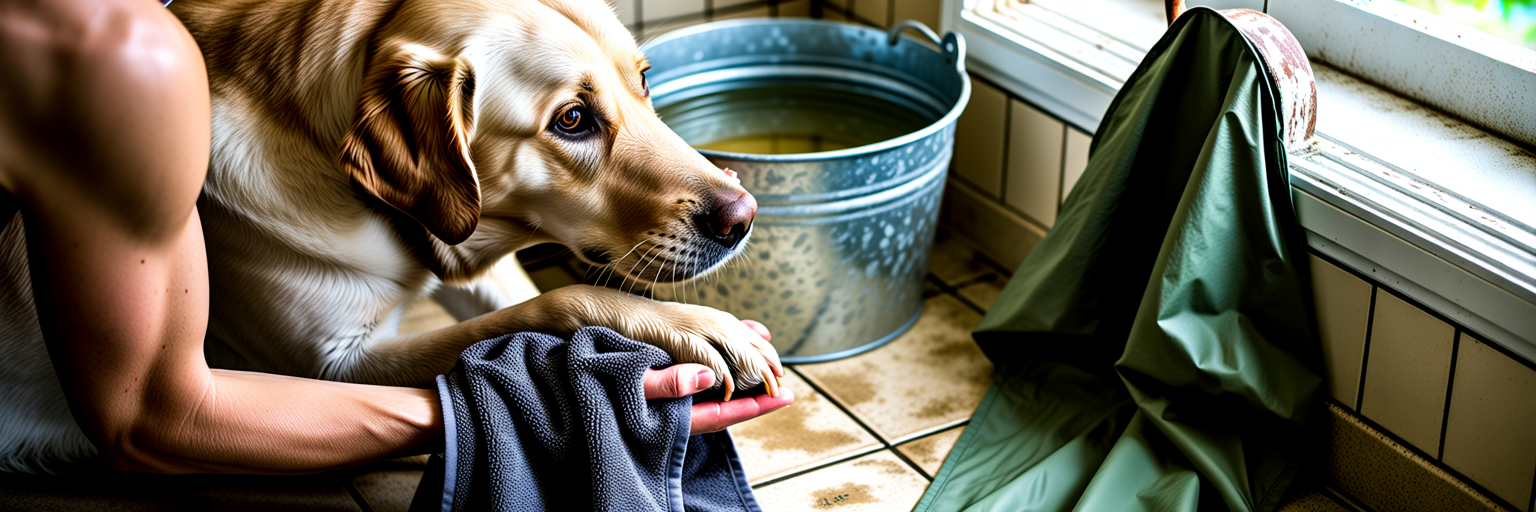
What you do in the first five minutes after returning home is just as important as the preparations you made before leaving. This post-walk routine should be considered a non-negotiable part of every winter walk. Its purpose is to decontaminate your dog's paws immediately, preventing harmful substances from being tracked through your home or, more critically, ingested by your dog.
The key is to have your cleaning station ready by the door before you even leave. This removes any excuse and turns the process into a seamless habit. The question of how to clean dog paws after walk is best answered with a simple, consistent method. A step-by-step approach works best:
- Prepare your station: Keep a shallow bowl of lukewarm water and a dedicated, absorbent towel right by the entrance.
- Dip and swish: As soon as you're inside, gently dip each paw into the water. Swish it around for a few seconds to dislodge any hidden grit or salt residue.
- Pat dry thoroughly: Use the towel to pat each paw completely dry. Pay special attention to the area between the toes, as trapped moisture here can lead to irritation.
Of course, not every walk results in paws caked in mud and salt. For cleaner walks, a full water dip might not be necessary. High-quality, pet-safe, and alcohol-free wipes can be a convenient alternative for a quick clean. A damp microfibre cloth is also excellent for removing invisible salt residue on days when the pavements look dry. The important thing is to do something every single time.
After cleaning, take a moment for a quick inspection. Gently check between the pads for any redness, cracking, or foreign objects that might have become lodged there. If you notice any minor irritation, applying a soothing, healing balm can help repair the skin barrier and prepare them for the next walk. This completes the cycle of paw care, ensuring they remain healthy all winter long.
| Method | Best For | Key Benefit | Pro Tip |
|---|---|---|---|
| Lukewarm Water Bowl | Very muddy or salty paws | Thoroughly flushes away grit and salt | Keep a dedicated 'paw towel' by the door |
| Pet-Safe Wipes | Lightly soiled paws, quick cleans | Convenient and fast, no water mess | Ensure wipes are alcohol-free to avoid drying out pads |
| Portable Paw Washer | Regularly muddy walks, car use | Contains the mess and cleans effectively | Introduce it to your dog slowly with positive reinforcement |
| Damp Microfibre Cloth | Removing dry salt residue | Gentle and effective for invisible threats | Use a different section of the cloth for each paw |
Managing Mud Without Over-Bathing Your Dog
Seeing your dog caked in mud after a happy romp through one of Dundee's parks can trigger an immediate desire to head for the bathtub. However, resisting this first instinct is often the best thing you can do for their coat and skin. Frequent, full baths during winter can be counterproductive, and there are smarter muddy dog cleaning hacks that work with your dog's natural defences, not against them.
The main issue with over-bathing is that it strips the coat of its essential natural oils, known as sebum. This oily layer provides vital insulation and acts as a protective barrier for the skin. When you wash it away too often, you leave the skin and coat exposed, making your dog more susceptible to the cold and to skin problems. This can create a frustrating cycle of bathing to solve a problem that the bathing itself is making worse.
A far better approach is the 'containment and air-dry' strategy. The core principle is simple: dry mud is much easier to remove than wet mud. When you get home, guide your dog to a designated, easy-to-clean area. This could be a utility room, a crate lined with old towels, or just a corner of the kitchen. Let them rest there for 20 to 30 minutes. This gives the mud a chance to dry and harden.
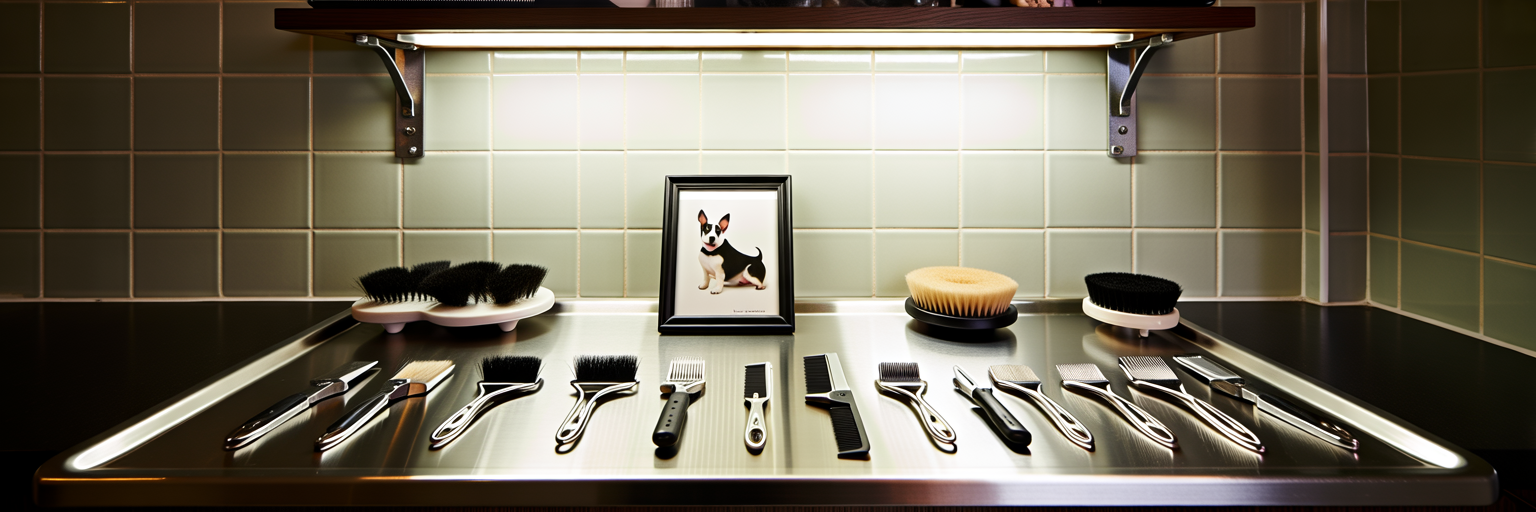
Once the mud is dry, the real magic happens. Using a slicker brush, you can now break up and remove the vast majority of the mud and debris with minimal effort. The dried mud crumbles and falls away from the hair shafts, often taking dirt and grit with it. This brushing technique effectively cleans the coat right down to the skin without using any water, helping to restore its natural fluff and insulating properties. This method is a key part of a regular dog brushing routine that keeps the coat healthy year-round.
For any stubborn spots that remain, particularly on the legs or belly, you can turn to targeted spot-cleaning. A pet-safe wipe or a small amount of waterless shampoo on a cloth is perfect for this. This approach allows you to maintain overall cleanliness while preserving the integrity of your dog's natural, weather-resistant coat.
Preventing Painful Matting in Winter Coats
While mud is primarily a cleanliness issue, matting is a serious health concern that can cause your dog significant pain. It's crucial to understand that matting is not just "clumped fur." It's a tangled mass that pulls tightly on the skin, restricting blood flow and creating a hidden environment for infection. Effective dog matting prevention winter is one of the most important aspects of cold-weather care.
Winter creates a perfect storm for matting. The dampness from rain, slush, and even your dog's own breath causes individual hairs to stick together. Add the constant friction from a winter coat or harness rubbing against the fur, and you have the ideal conditions for small tangles to develop into tight, painful mats. Long-haired and double-coated breeds, like Golden Retrievers or Border Collies, are especially susceptible.
The single most effective preventative measure is a consistent brushing schedule. This is not about aesthetics, it's about health. Depending on your dog's coat type, a thorough brushing every one to three days is essential. This simple act separates the hairs, aerates the fur, and removes small tangles before they have a chance to escalate. It also helps distribute the skin's natural oils, maintaining the coat's insulating ability.
A common but mistaken belief is that shaving a double-coated dog will help manage their coat in winter. This should be avoided. A double coat is a sophisticated temperature-regulation system with a dense undercoat for insulation and longer guard hairs for protection. Shaving it destroys this system, leaving your dog more vulnerable to the cold and increasing the risk of skin damage.
Instead of a full shave, consider strategic 'hygiene trims'. This is not a full haircut but a functional trim performed by a professional. It involves shortening the fur around the paws, belly, and rear end. These are the areas that are in constant contact with mud, slush, and salt. A hygiene trim reduces the surface area where debris collects, making your daily cleaning routine much simpler and lowering the risk of matting in these high-risk zones.
Knowing When to Call a Professional Groomer in Dundee
Even with the most diligent home care, there are times when the challenges of a Dundee winter require professional help. Recognising when to step back and call in an expert is a key part of responsible dog ownership. It ensures your dog's comfort and safety, preventing minor issues from becoming major problems.
It's time to seek professional dog grooming Dundee services if you notice any of the following:
- Severe matting that is tight against the skin. Attempting to remove these at home is extremely painful for the dog and carries a high risk of cutting their skin.
- Persistent skin irritation, redness, or 'hot spots' that don't resolve with home cleaning.
- Deeply embedded dirt or a coat that still feels greasy or grimy even after you've tried to clean it.
- You feel overwhelmed or unsure how to manage your dog's specific coat type in the winter conditions.
A professional groomer offers solutions that simply aren't possible at home. They can provide a thorough deep clean and, crucially, use high-velocity dryers to ensure your dog is 100% dry, right down to the skin. They are trained in the safe and expert removal of mats and can perform a precise hygiene trim tailored to your dog's breed and lifestyle. They are an essential partner in your dog's health. For these situations, seeking professional help is the kindest and most effective course of action. Choosing the right dog groomer in Dundee is crucial, and our directory simplifies the process of finding a trusted, local specialist to keep your dog happy and healthy all winter long.