
A Dog Owner's Guide to Grooming in Dundee's Weather
Why Dundee's Climate Demands a Specific Grooming Routine
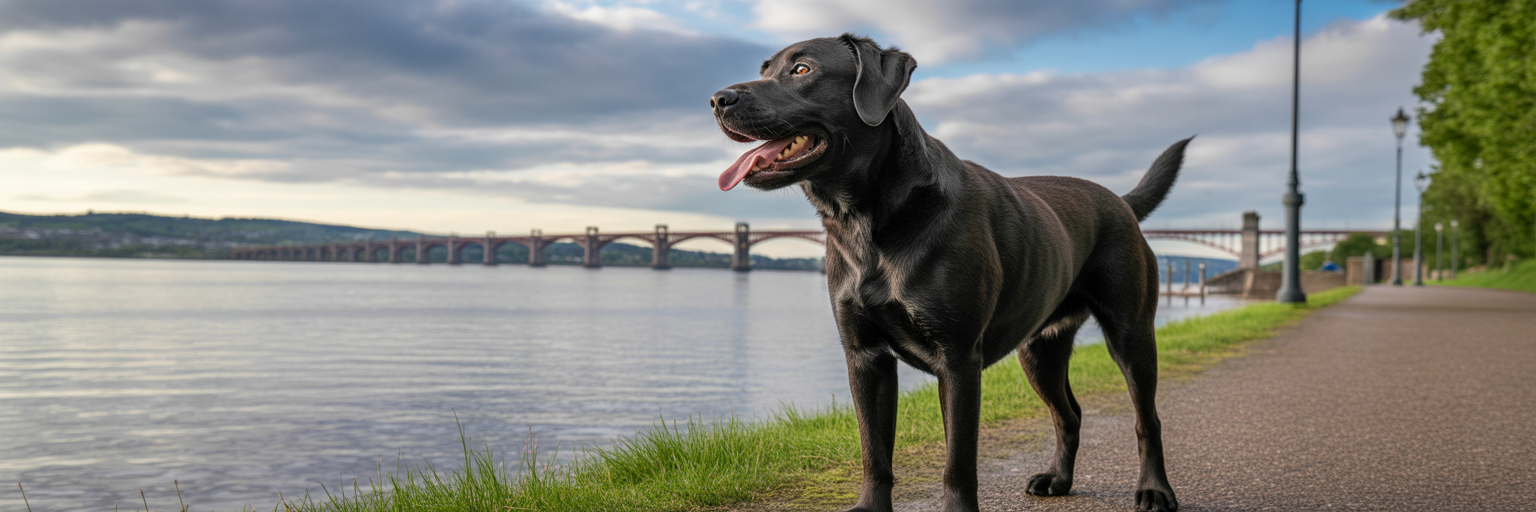
Anyone living in Dundee knows the weather has a unique character. The persistent coastal dampness rolls in from the North Sea, while sharp winds often channel along the River Tay. This combination creates a challenging environment for a dog's coat that a standard, one-size-fits-all grooming plan simply fails to address. It’s not just about keeping your dog looking tidy; it’s about protecting their health from our specific climate.
This constant moisture poses distinct risks. When dampness gets trapped under a dense winter coat, it creates the perfect breeding ground for bacteria, leading to painful skin conditions like pyotraumatic dermatitis, often called 'hot spots'. The damp fur also clumps together, forming tight mats that pull on the skin, restrict airflow, and cause significant discomfort. You can feel the dense, knotted texture that brushing alone can no longer fix. It’s a common issue that requires specialised dog grooming Dundee services to resolve safely.
There is also a less obvious risk. A dog with a heavily matted or unmanaged undercoat might be protected outside, but they can easily overheat indoors. Our centrally heated homes become uncomfortable for a dog wearing a coat that is too dense and unable to breathe. The key is to view grooming not as a rigid, calendar-based task, but as a responsive, adaptive practice. It’s about observing your dog and the daily weather, making small adjustments to ensure their coat works as effective, breathable insulation, protecting them from the elements without causing secondary health problems.
Mastering Winter Coat Care for the Scottish Cold
Dundee's cold and wet winters demand a specific approach to coat care. It’s less about drastic changes and more about consistent maintenance to help your dog’s natural defences work properly. Forget generic advice; this is about practical steps for our local conditions.
The Importance of the Undercoat
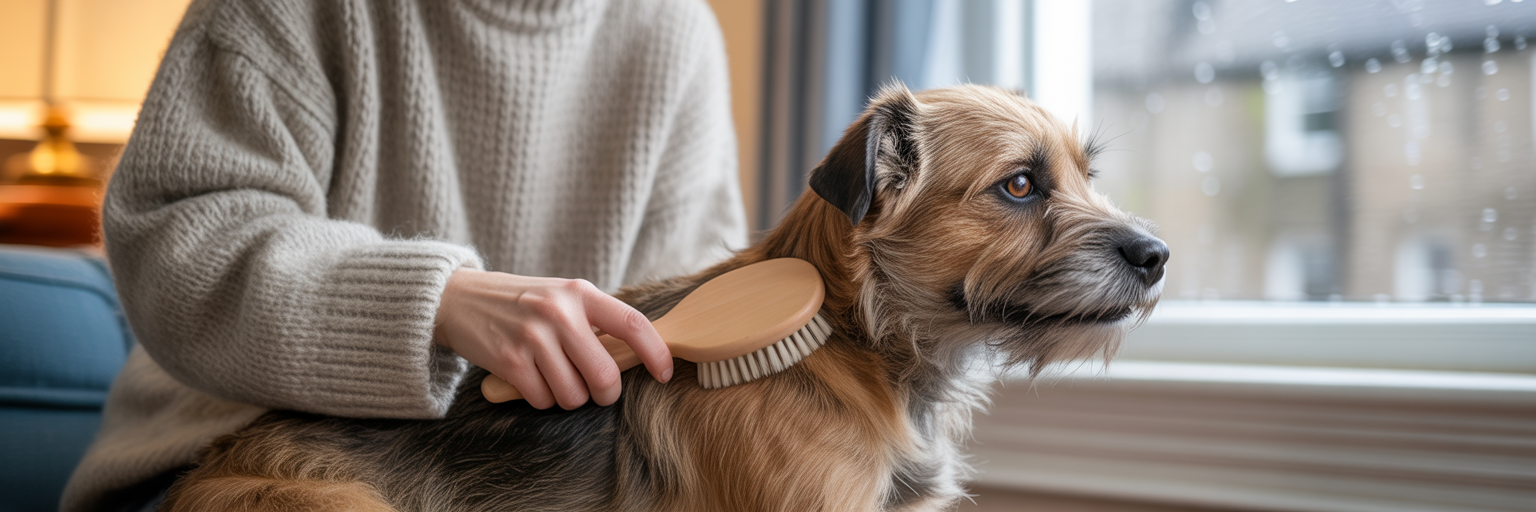
A dog's dense undercoat is its primary insulation against the cold. The goal during winter is not to remove it, but to maintain it. Regular brushing with a slicker brush or an undercoat rake does more than just remove loose hair. It aerates the fur, separating the strands and improving its insulating properties. This simple action is fundamental to preventing dog matting in winter, as it stops damp from getting trapped against the skin where it can cause irritation and chills.
Bathing and Drying in Colder Months
Have you ever wondered if you’re bathing your dog too often in winter? Frequent full baths can strip the coat of its natural, water-repellent oils, leaving your dog more vulnerable to the damp. For minor dirt, consider using a waterless shampoo or just a damp cloth. When a full bath is unavoidable, the most critical step is drying. Your dog must be dried completely, right down to the skin. A damp undercoat in cold weather is a recipe for chills and skin problems.
Protecting Paws from Grit and Salt
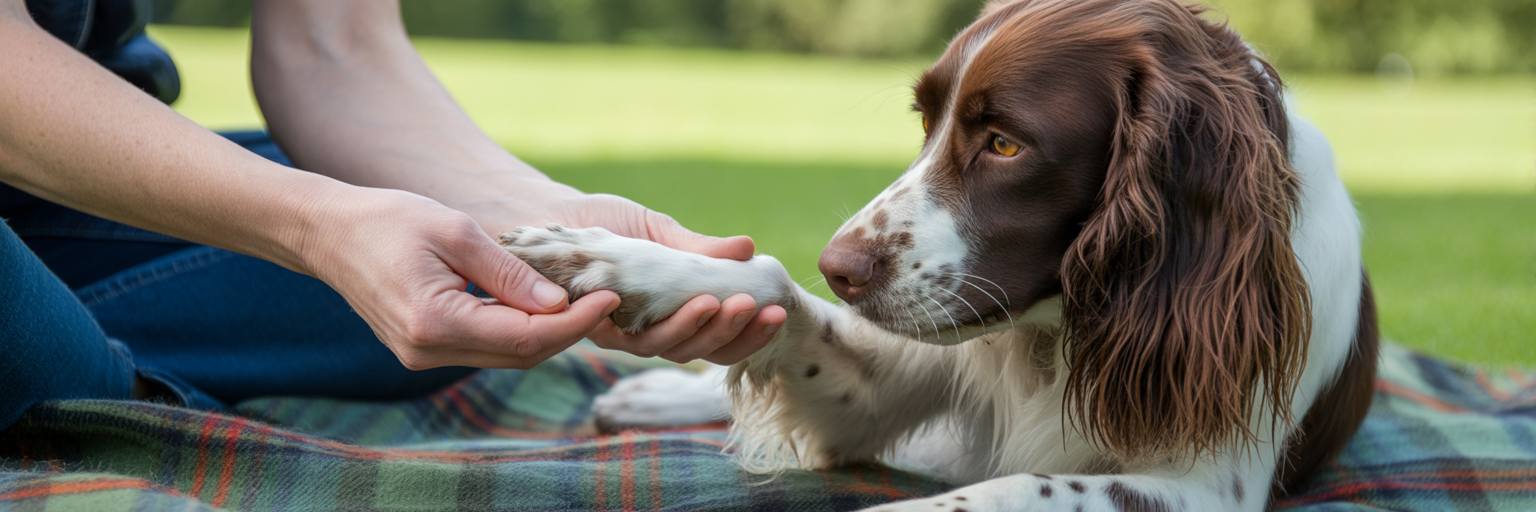
Walks through the city centre or along the Tay during icy spells expose your dog's paws to grit and salt. These substances can be incredibly irritating, causing dryness, cracking, and discomfort. Good dog paw care in cold weather starts with a simple routine. After every walk, wipe your dog’s paws with a damp cloth to remove any residue. Take a moment to inspect between the pads for any signs of irritation. Applying a protective paw balm before you head out can create a useful barrier. For persistent issues, our professional dog paw pad care service can help restore and protect sensitive paws.
Strategic Trimming vs. Harmful Shaving
Let's be clear: shaving a double-coated dog in winter is a mistake. It removes their natural defence against the cold and damp. Instead, think about strategic trimming. A light 'hygiene trim' can make a world of difference. We recommend trimming the fur around the paws to prevent ice and mud from clumping between their toes. A trim around the rear end also helps maintain cleanliness during wet and muddy walks. This targeted approach is a cornerstone of effective winter dog care Scotland, ensuring comfort without compromising protection.
Spring Grooming for Shedding Season and Puddles
As winter recedes, a new set of grooming challenges arrives with the spring. The focus shifts from protection against the cold to managing shedding, mud, and emerging allergens. This is the time for a seasonal reset for your dog's coat.
The 'great spring shed' is a biological necessity. Your dog is losing its dense winter undercoat to make way for a lighter summer coat. While the extra vacuuming is a chore, helping this process along is crucial for your dog's comfort. Using tools like an undercoat rake or a de-shedding blade helps remove this loose fur efficiently, preventing it from forming mats and allowing their skin to breathe. This helps them regulate their temperature as the days get warmer. For many owners, a professional dog de-shedding treatment is a lifesaver during this period, managing the bulk of the shed in one session.
Spring also means mud. Instead of resigning yourself to constant full baths, create a 'clean-up station' by your door. A few old towels, a water spray bottle for muddy legs, and a brush are all you need to manage the daily grime without the hassle of a full wash.
Grooming can also provide allergy relief. Pollen and other environmental allergens cling to your dog's coat, causing itchiness. A quick brush-down or wipe with a damp cloth after a walk physically removes these irritants, bringing relief to your dog and reducing allergens inside your home.
Finally, as the weather warms, ticks become more active. After walks in grassy areas like Balgay Hill or Camperdown Park, a thorough check is essential. Pay close attention to these key areas:
- Inside and around the ears.
- Around the eyelids.
- Under the collar.
- Between the toes and pads.
- In the 'armpits' and groin area.
Summer Grooming Essentials for Warmer Days
Summer in Dundee brings its own grooming considerations, focused on keeping dogs cool and safe from heat-related dangers. It’s also a time when some of the biggest grooming myths cause more harm than good.
The most common mistake is shaving a double-coated dog with the belief it will keep them cool. It does the opposite. A dog's coat is a sophisticated insulator; it traps a layer of cool air close to the skin while protecting it from direct sunlight and sunburn. Shaving removes this natural air-conditioning system. A well-brushed, mat-free coat allows for far better air circulation than a clipped one. This is one of the most important summer dog grooming tips UK owners should know.
Instead of a full shave, focus on light, targeted trimming for long-haired breeds. Trimming the fur around paw pads improves their grip on slippery surfaces and helps prevent grass seeds from getting lodged. A light trim on the belly can also help with cooling, as dogs lose heat from this area.
Sunburn is another risk, especially for dogs with short, thin, or white fur. Their nose, ear tips, and belly are the most vulnerable spots. On a sunny day out at Broughty Ferry beach, for example, apply a sun cream specifically formulated for dogs to these exposed areas.
Grass seeds are a significant summer hazard. Their barbed, arrow-like shape allows them to burrow into a dog's skin, often between the toes or in the ears, causing pain and serious infections. A post-walk inspection is crucial. Check carefully between their toes, inside their ears, and in their armpits. Catching a grass seed early can prevent a painful and expensive trip to the vet.
| Hazard | Key Areas to Check | Preventative Action |
|---|---|---|
| Sunburn | Nose, ear tips, belly, areas with thin fur | Apply dog-specific sunscreen before prolonged sun exposure. Provide shade. |
| Grass Seeds | Between toes, inside ears, armpits, underbelly | Thoroughly inspect coat and paws after every walk in grassy areas. |
| Overheating | General demeanour (excessive panting, lethargy) | Walk during cooler parts of the day (early morning/late evening). Always provide fresh water. |
| Pavement Burns | Paw pads | Check pavement temperature with your hand. If it's too hot for you, it's too hot for them. |
Year-Round Grooming Habits for a Healthy Dog
While seasonal adjustments are vital, a few core grooming tasks form the foundation of your dog's health and comfort throughout the year. These consistent habits prevent small issues from becoming bigger problems.
First is nail care. Overgrown nails are more than a cosmetic issue. When you hear that tell-tale clicking on your floor, it’s a sign they are too long. Long nails can change a dog's posture and gait, leading to discomfort and even joint pain over time. Regular trimming is essential for their structural health. If you're not confident doing it yourself, a professional dog nail trimming service ensures it is done safely and correctly.
A routine for ear checks is also crucial, especially in Dundee's damp climate, which can make breeds with floppy ears more prone to infections. Healthy ears should be pale pink, with no odour or significant discharge. Redness, a bad smell, or excessive head shaking are signs that something is wrong and needs attention.
Finally, dental hygiene is a core part of grooming. Just like with humans, regular teeth brushing is the most effective way to prevent tartar build-up, which can lead to gum disease and other health complications down the line.
Ultimately, effective grooming in Dundee is about being observant and consistent. It’s a partnership between you and your dog, responding to their individual needs as they change with our unique Scottish seasons. This attentive approach is the best way to keep them happy, healthy, and comfortable all year round.